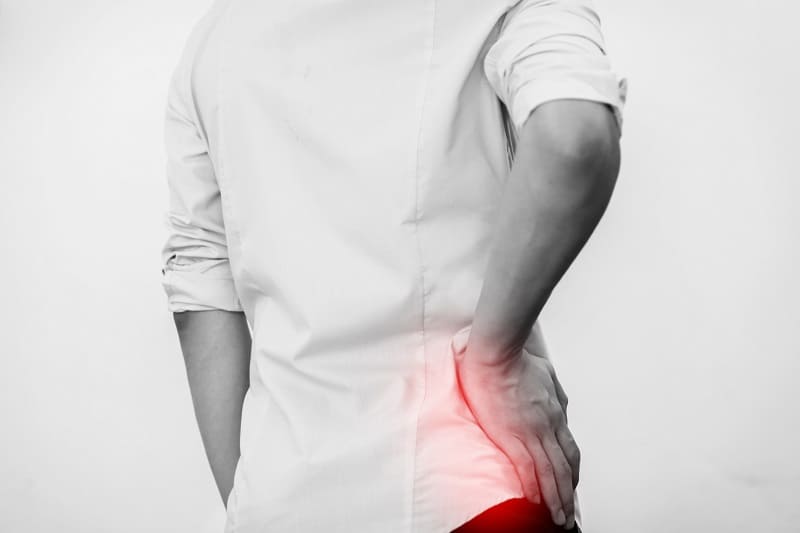
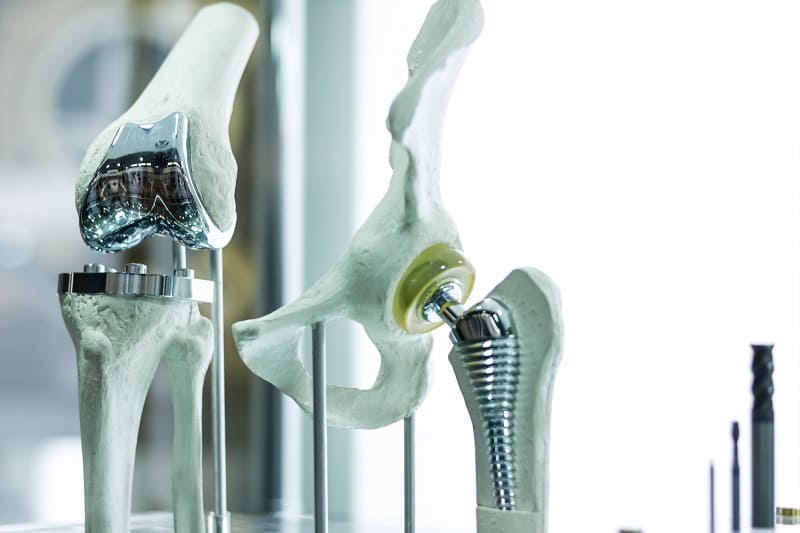
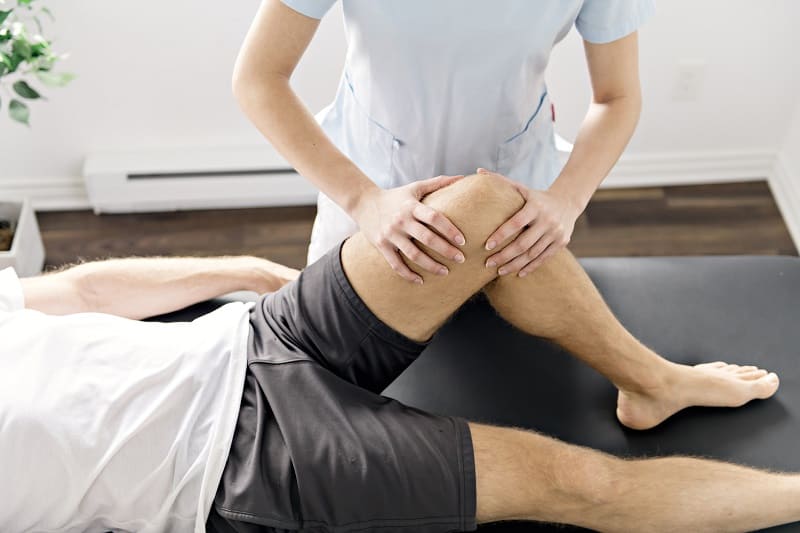
Chronic hip or knee pain can impact a person’s daily life significantly, hindering them from completing day-to-day tasks. What can begin as discomfort or stiffness may develop into constant pain and aching that can make simple tasks like sleeping or walking difficult. Hip and knee reconstruction surgery offers relief, but at times does not perform as expected, leading to patients feeling frustrated or discouraged.
At Jacksonville Orthopaedic Institute (JOI), patients facing challenges and who may need revision surgery find specialized care with orthopedic surgeon Dr. Patrick Brooks. His work focuses on helping patients move beyond pain and reclaim with range of motion and mobility, improving their overall quality of life.
When Joint Replacement Revision May Be Needed
Hip and knee reconstruction surgery are some of the most successful orthopedic surgeries, but just like any other procedure, complications with the implant or wear and tear may call for a revision surgery. Some patients can experience problems months after their original surgery, while others have complications years after.
Common reasons for revision surgery:
Implant wear or loosening
Persistent or increasing pain
Infection
Bone loss near the implant
Changes with leg length discrepancies
These issues can limit mobility and reduce the benefits of the original surgery. Revision hip and knee reconstruction is used to correct these problems by repairing or replacing any of the components of the implant that might be compromised. Since each patient and their case is unique, revision surgery requires a high level and specialized technique, planning, and precision.
Dr. Patrick Brooks: Orthopedic Surgeon, Jacksonville
Dr. Patrick Brooks specializes in hip and knee reconstruction at JOI. He completed his residency at Orlando Health Jewett Orthopedic Institute, where he then became chief resident and received awards for research. Since then, he has completed an advanced fellowship training in adult reconstruction at the University of Arkansas and authored many peer-reviewed research articles.
This advanced training equipped him with the skills to manage complex cases that require revision surgeries due to implant complications, infection, compromised bone quality, and more.
Since revision surgery demands an understanding of the implant system, biomechanics, and how each surgical decision affects long-term function, Dr. Brooks combines his expertise with a patient-focused approach that will prioritize safety and beneficial outcomes.
Diagnosis and Planning: A Thoughtful Approach
An accurate diagnosis is critical when moving forward with a revision surgery. While pain can be an indicator of needing a revision, it doesn’t always mean the implant has failed. Without a clear understanding, a diagnosis cannot be made successfully.
To ensure proper diagnosis, Dr. Brooks’ Evaluation may include:
A detailed medical and surgical history.
Physical examination of the joint.
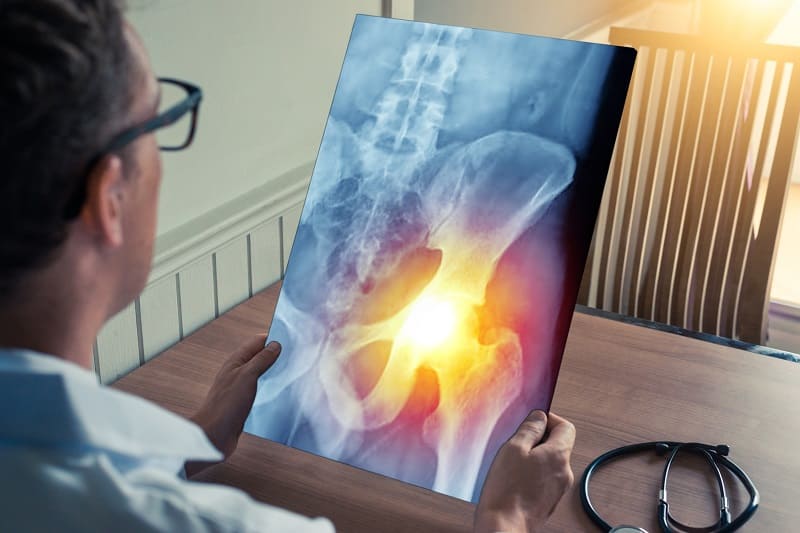
Imaging tests like X-rays, CT scans, or MRIs.
Laboratory testing (especially if infection is suspected).
This evaluation process will allow him to identify the root of the issue and develop a surgical plan tailored to the patient’s unique anatomy, medical history, activity levels, and long-term goals.
Why Revision Surgery is More Complex
Revision surgery presents challenges not usually seen in original surgeries. Scar tissue from previous procedures, weakened bone, and anatomy can further complicate the implant removal or placement.
Dr. Brooks addresses complex cases such as:
Removing malfunctioning implants.
Managing bone loss and/or deformity.
Restoring joint alignment and leg length.
Treating infection and preserving joint structures.
Revision surgeries require advanced techniques and careful decision-making. The goal is not only to relieve pain, but also to provide a joint stable enough to provide long-term beneficial outcomes.
Innovation and Technology at Jacksonville Orthopaedic Institute
JOI Physicians use advanced technology and modern surgical tools to support revision hip and knee reconstructions. Dr.Brooks uses the latest implant designs and surgical techniques to optimize the outcome for his patients. This includes using:
Specialized revision implant systems.
Advanced imaging for more precise preoperative planning.
Minimally invasive approaches when appropriate (depending on case specifics).
Evidence-based protocols in surgery and care.
By combining these modern technologies and innovations, JOI works to ensure that patients benefit from precision and safety.
Who May Benefit From Revision Surgery
Patients with ongoing problems or symptoms after their knee or hip replacement may benefit from a revision evaluation. Signs you may need an evolution include:
Persistent or increasing joint pain.
Difficulty bearing weight.
Joint instability.
Changes in joint alignment or leg length.
Early evaluation can help identify issues before they lead to further, more complex complications.
The Emotional Side of Hip Replacement Surgery
When patients need a revision hip replacement surgery, they often come in anxious and with questions about recovery time, long-term success, and whether the revision will benefit them since the original surgery failed.
An emphasis on communication and educating the patient will help them understand the procedure and the outcomes they may have, subsiding their fears. Dr. Brooks takes time to explain:
Why the replacement failed.
What are the realistic outcomes of revision.
Potential risks.
Expected recovery times.
The importance of physical therapy and rehabilitation.
Quality of Life after Revision Surgery
For many patients, a successful revision surgery allows them to return to activities that once caused them pain and discomfort, improving their quality of life significantly. With increased independence and reduced discomfort, patients feel as though their recovery marks a turning point for them.
While outcomes and long-term recovery can vary, revision hip and knee reconstruction provides stability in patients who were once hindered in their everyday lives.
Dr. Patrick Brooks: A Commitment to Specialized Orthopedic Care
At Jacksonville Orthopedic Institute, Dr. Patrick Brooks commits to providing patients with specialized, compassionate care with thoughtful planning throughout the entire process. His focus in precision, communication, and long-term goals reflects JOI’s commitment to helping their patients and improving their quality of life.
Book an Appointment with The Jacksonville Orthopaedic Institute Today!
JOI Physicians continue to offer online new patient appointments. This is another option to make it more convenient to make new patient appointments with shorter phone hold times. Contact JOI today to schedule an appointment with Dr. Patrick Brooks to discuss revision hip and knee reconstruction.
Total hip replacement surgery is one of the most reliable orthopedic procedures, and for many people, it restores mobility, eliminates pain, and helps individuals return to their daily lives. While this surgery is highly successful, hip implant failure can occur due to wear and tear or injury. When this happens, a hip revision surgery may be necessary.
What Is Hip Revision Surgery?
Hip revision surgery, sometimes referred to as a revision total hip arthroplasty, is a procedure that repairs or replaces parts of the previously implanted hip joint. While the original hip replacement involves removing damaged bone and cartilage, a revision focuses on correcting issues of the original implant that may have occurred due to wear and tear or injury.
There are a variety of reasons why a hip revision surgery may be necessary, some procedures being more difficult than others.
Why Do Hip Implants Fail?
While hip implants are built to last 15+ years, several factors can lead to hip implant failure. Here are the most common causes:
1. Wear and Tear
Over time, the ball and socket surfaces of the hip joint can wear down, causing loosening or debris buildup that irritates surrounding tissues. Younger patients tend to experience wear and tear sooner because of their activity levels.
2. Implant Loosening
An implant becoming loose is one of the most common causes of hip revision surgery. This can occur due to normal wear, bone loss (osteolysis), or if the implant never fully bonded with the bone after the original surgery.
3. Dislocation
A hip joint that dislocates frequently can indicate an improperly positioned implant or that the soft tissue has weakened around the joint.
4. Infection
Bacteria can lead to infections either shortly after the surgery or many years later. A common infection is the prosthetic joint infection, caused by bacteria attaching to the surface of the hip implant. Antibiotics alone are usually not enough, and in most cases, part of the implant needs to be removed.
5. Fracture
Many factors can lead to a fracture, like osteoporosis (bone weakening), a fall, or an accident. When a fracture occurs near the hip implant, hip revision surgery may be necessary to repair the bone and install a new prosthesis.
6. Implant Defects or Recalls
While it is rare, manufacturing defects like metal issues or component failures can lead to implant recalls. Patients who have a recalled prosthesis may need revision surgery to prevent complications.
Signs and Symptoms of Hip Implant Failure
Depending on the cause, implant failure symptoms can develop slowly over time or happen suddenly.
Groin, thigh, or buttock pain that increases over time
Instability
Decreased mobility or difficulty walking
Swelling, redness, or warmth around the joint
Clicking, grinding, or popping sensations
Limping
Hip dislocation
Fever or chills can indicate infection
It is important to remember that while these are symptoms of hip implant failure, it doesn’t always mean failure has occurred. Always discuss your symptoms with your orthopedic specialist.
Diagnosis: Identifying Hip Implant Failure
1. Physical Examination
Your physician will assess your range of motion, gait, and signs of instability or infection.
2. Imaging/Scans
Your doctor may order imaging tests like X-rays, CT scans, or MRIs.
X-rays will show the implant position, fractures, or bone loss.
CT scans can provide a detailed view of the bony and complex structures.
MRI scans are used to evaluate soft tissue and swelling.
3. Laboratory Tests
Blood tests are typically ordered to detect infection or metal ion levels. Joint fluid aspiration may also be ordered to determine bacterial presence.
4. Implant History Review
After completing the physical exam, imaging, and laboratory testing, your surgeon will discuss the implant model, age, any known issues, recalls, longevity data, or compatibility concerns.
Hip Revision Surgery: During the Procedure
Since there is a wide variety of causes of hip implant failure, the procedure technique and style will vary from patient to patient. Here are the general steps to a hip revision surgery:
1. Incision
The surgeon will begin by opening up the hip area by making an incision to access the joint and remove scar tissue.
2. Removing The Old Implant
The damaged or loose components are carefully removed. If the bone has grown around the implant, the procedure time may increase and require more specialized tools.
3. Bone Loss Management
Bone loss is common during revision surgery. Surgeons may use bone grafts to rebuild the damaged areas.
4. Placing the New Implant
Implants used during revision are usually larger, longer, and more specialized.
5. Correcting Soft Tissue Issues
The surgeon will repair or rebalance tendons and ligaments to improve stability.
6. Closure
After the hip is stabilized and moves properly, the incision is closed.
Risks and Challenges: Hip Revision Surgery
While the success rates are high, there are still risks and challenges that can occur during recovery.
Infection
Blood clots
Nerve injury
Implant dislocation
Leg length differences
Pain
Depending on the patient’s health and medical history, the likelihood of complications can increase.
Recovery from Hip Revision Surgery
Compared to the original surgery, hip revision typically takes longer to perform and has a more demanding recovery.
1. Hospital Stay
Most patients stay in the hospital for 2-4 days for postoperative care. More complex cases may require a longer stay.
2. Rehabilitation And Physical Therapy
Physical therapy will begin very soon after the surgery to focus on:
Improving strength
Improving range of motion
Learning healthy walking mechanics
Protect the new joint from dislocation
3. Weight-Bearing Restrictions
Depending on the patient’s history and the complexity of the surgery, they may need to limit weight on the surgical side for several weeks.
4. Long-Term Expectations
Once healing is complete, patients experience significant improvements in their daily lives. Since each case is different, it is important to follow your doctor’s recommendations to improve the outcome of the surgery.
Jacksonville Orthopaedic Institute: Hip Replacement Revision Jacksonville
JOI Physicians continue to offer online new patient appointments. This is an easy option to make it more convenient to make new patient appointments. Contact us today to set up an appointment with a JOI physician.
While arthritis in the hands is common, it is often a misunderstood condition. Arthritis develops slowly over time, affecting joints and tissues in both the hands and fingers. This condition can affect simple, everyday activities like typing, writing, or even opening a door. For some individuals, the pain, stiffness, and swelling can be managed with non-surgical treatments. While non-invasive treatments can help some patients, some may need surgical intervention when symptoms become unmanageable.
Understanding Arthritis in The Hands
Arthritis occurs in the hands when the joints in the fingers or wrists become inflamed, leading to joint pain, stiffness, and swelling. There are several different types of arthritis, the two most common being Osteoarthritis (OA) and Rheumatoid Arthritis (RA).
1. Osteoarthritis
OA is a degenerative disease that typically results from wear and tear on the joints. Over time, the cartilage between the joints breaks down, leading to friction between bones. This causes symptoms like joint pain, swelling, stiffness, and, in some severe cases, deformities. Osteoarthritis in the hands most commonly affects the thumb, knuckles, and joints at the base of the fingers.
2. Rheumatoid Arthritis
Unlike OA, RA is an autoimmune disorder where the body’s immune system attacks its own joints. This leads to inflammation and swelling, eventually causing joint damage and deformities. Rheumatoid arthritis can affect multiple joints in the hand and cause loss of strength, making simple tasks difficult to perform.
Although osteoarthritis and rheumatoid arthritis occur for different reasons, they both can impact the function of the hands, leading to loss of strength, flexibility, and range of motion. In severe cases, the joints can become damaged or deformed, making surgery necessary for treatment.
Arthritis Treatment Options for Hand Pain
Before resorting to surgical intervention, many will try other arthritis treatments to help alleviate symptoms. The goal of noninvasive treatment is to reduce joint pain while improving function and preventing further damage to the joints of the hands.
1. Medications
Nonsteroidal anti-inflammatory drugs (NSAIDs) like ibuprofen or naproxen can reduce inflammation and provide temporary relief for those suffering from arthritic conditions. In more severe arthritis cases, corticosteroid injections into the damaged joints may be used to provide longer-lasting relief for patients.
For those with RA specifically, disease-modifying antirheumatic drugs (DMARDs) may be prescribed to slow down the progression and prevent joint damage. TNF inhibitors can also be prescribed to target the immune system’s inflammatory process.
2. Physical and Hand Therapy
Hand therapy is an effective way to manage arthritic symptoms in the hand. A certified therapist can guide you through exercises designed to improve the range of motion and strength. Physical therapy can also be used to increase blood flow to the joints.
Therapists may recommend splints or braces to provide joint support, improve alignment, and reduce strain. By providing stability, splints can reduce the risk of further damage and work to improve hand function. Hand therapy can also teach individuals proper techniques that will work to put less strain on their joints.
3. Splints and Braces
Splints or braces help provide support to the joints in the hands and fingers, allowing pain relief and preventing further damage from wear and tear. This option is particularly beneficial for those with arthritis in the thumb and wrist.
4. Lifestyle Modifications
Making lifestyle modifications to daily activities can help manage joint pain and prevent further damage to the joints. For example, ergonomic tools can reduce stress on the joints during daily tasks like typing, cooking, and cleaning. Occupational therapy can help provide adaptive strategies to make life easier to reduce the need for repetitive hand movements.
5. Heat and Cold Therapy
Rotating heat and cold to the affected area can help alleviate some symptoms of arthritis. Heat therapy and using a warm compress can help relax joints that may be stiff and increase blood flow. Cold therapy reduces inflammation and numbs pain. Alternating between the two can provide relief from stiffness and swelling.
When Should I Consider Hand Arthritis Surgery?
While noninvasive treatments are effective for many people with arthritic conditions, there are cases where surgery may be necessary. Surgery opens up as an option when conservative measures fail to provide relief or when joint pain increases and function deteriorates. Here are some signs you may need to consider hand arthritis surgery:
1. Chronic and Severe Pain
If your joint pain is persistent and doesn’t improve over time after trying conservative treatment options, it may be time to discuss surgical options with your provider. Chronic pain that disrupts your day-to-day life or prevents you from performing daily tasks is a significant indicator that the arthritis has progressed to a point where surgery may be necessary.
2. Reduced Hand Function
Significant loss of hand function is one of the most telling signs that surgery is necessary. If arthritis has caused deformities, you may experience difficulty gripping objects or performing fine motor tasks.
3. Joint Damage Progression
If diagnostic imaging like X-rays or MRIs shows advanced joint damage, cartilage loss, bone spurs, or deformities, surgery may be necessary to prevent further damage. Joint replacement or fusion can offer long-term relief for most cases.
Types of Hand Arthritis Surgery
1. Arthroscopy
Arthroscopy is a minimally invasive procedure where a tiny camera is inserted through small incisions to visualise and treat joint damage in the hands. Surgeons can remove damaged tissue, clean out joint spaces, and smooth surfaces in the joints to reduce pain and improve function.
For advanced cases, joint fusion may be the best option. In this procedure, the affected joint is fused, eliminating pain while reducing the joint’s flexibility. While this procedure might decrease movement in the hand, it can provide significant relief.
3. Joint Replacement (Arthroplasty)
Joint replacement involves removing the damaged joint and replacing it with a surgical prosthesis. For the hands, joint replacement is most commonly performed on the finger joints. Replacement is used to restore motion and improve hand strength.
Book an Appointment with the Jacksonville Orthopaedic Institute Today!
JOI Physicians continue to offer new online patient appointments. This is a convenient option to make new patient appointments with shorter phone hold times. Contact us today to discuss treatment options for arthritis or hand arthritis surgery.
Whether your knee pain is caused by an underlying condition like arthritis, an injury, or just long-term wear and tear, it can significantly limit your quality of life. For many individuals, knee replacement surgery is a life-changing procedure that can not only relieve pain but also restore function for everyday activities. When preparing for surgery or knee replacement recovery, it’s crucial to understand what happens before, during, and after the procedure to make a smooth recovery.
Before Knee Replacement Surgery: Preparations
1. Pre-Surgical Evaluation
Your orthopedic surgeon will conduct a detailed evaluation to determine whether knee replacement surgery is the right treatment for your condition. This process typically includes:
Physical examination
Diagnostic imaging (X-ray, MRI, CT, etc.)
Thorough review of your medical history
Other testing, like ECG or blood tests
During this evaluation, your doctor may also discuss the type of implant being used for the surgery and whether or not a total knee replacement is needed.
Making some lifestyle changes before surgery can help improve the knee replacement recovery process and reduce complications occurring. Here are some lifestyle adjustments that may be recommended:
Weight Management: Depending on your weight and your doctor’s recommendations, some individuals may need to gain or lose a small amount of weight before surgery to reduce stress on the new implant.
Smoking: Smoking affects blood flow and can lead to longer healing and recovery times.
Strength Building: To make knee replacement recovery smoother, focus on building strength in your legs when exercising.
3. Home Preparation
After surgery, your mobility will be limited for several weeks, which is why preparing your home in advance is important for the recovery process. Here are some household changes you may want to implement:
Create a comfortable recovery area on the first floor of our home.
Install any necessary safety equipment, like handrails or nonslip mats.
Rearrange furniture in small areas to create bigger walking paths.
Place everyday items in areas that are easily reachable.
If you live alone, arrange for help with chores, meals, and transportation for the first few weeks of knee replacement recovery.
4. Medications and Diet
Your medical team will create a plan that will go into detail on what medications you should stop, begin, or adjust before surgery, typically blood thinners or anti-inflammatory drugs. In this plan, you will also have instructions on when you should start fasting the day before your surgery.
During Knee Replacement Surgery: In the Operating Room
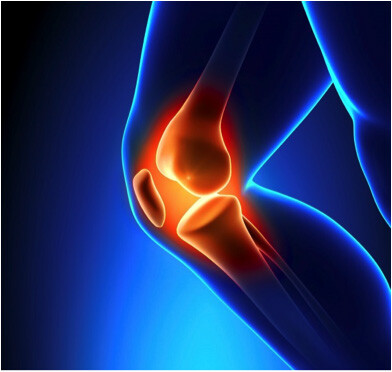
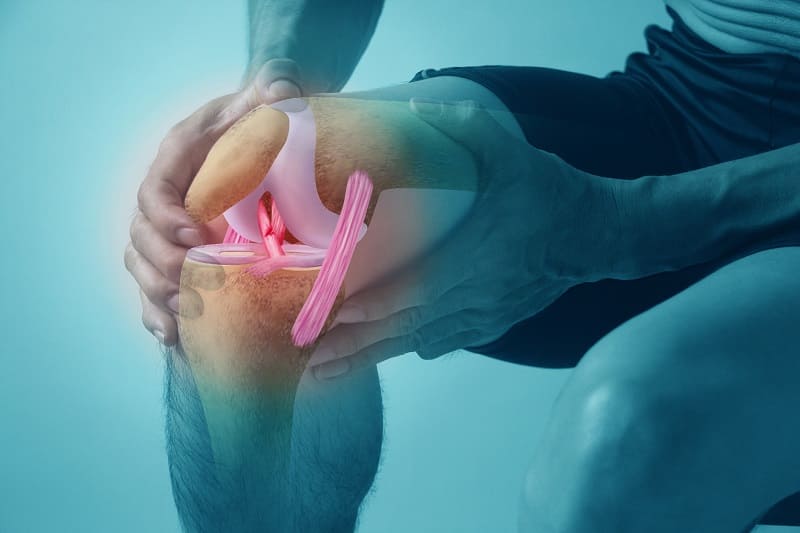
Human Knee with Pain
1. Anesthesia
Knee replacement surgery is typically a 1-2 hour procedure that requires either:
General anesthesia: Puts you to sleep during the surgery.
Regional anesthesia: A spinal block that will numb the lower half of your body.
The anesthesiologist will determine which option is best for you based on your health history.
2. Surgery
During the procedure, the surgeon will remove the damaged cartilage and bone from the knee joint and replace them with an implant made up of either metal, ceramic, or plastic.
An incision is made to gain access to the joint.
The damaged bone tissue is removed.
The surgeon positions and secures the implant.
Proper alignment is tested with movement.
The incision is closed.
Some hospitals may offer different techniques that reduce the incision size, allowing for quicker recovery.
3. Post-Op Monitoring
Once you wake up after surgery, you will be in a recovery room where nurses will monitor your vitals.
Blood pressure
Heart rate
Pain levels
Oxygen levels
Depending on your health needs and post-operative monitoring, you may go home the same day or have a 1-2 night stay at the hospital.
Knee Replacement Recovery: After the Surgery
There are a few phases you will go through during the recovery process after your knee surgery.
1. The First 24-48 Hours
a) Pain Management: Pain and swelling are normal and will occur after surgery. Your medical team will provide instructions on a personalized pain management plan that can include:
Oral medication
Ice therapy
Elevation
Compression
b) Mobility: Typically, within a few hours of the procedure, you will begin moving your leg and walking with assistance. A physical therapist will also begin to teach you exercises that will help build strength and flexibility. Early movement helps with:
Prevent blood clots
Reduce stiffness
Encourage joint healing
2. Weeks 1-3: Building Strength and Mobility
During the first few weeks of knee replacement recovery, you should have goals that include:
Increasing walking distance
Bending the knees
Reduce swelling
Strengthen leg muscles
During this time period, you will visit a physical therapist 2-3 times a week, along with performing your at-home exercises. Many patients find this time period challenging, but it is a crucial component. Consistency will lead to better long-term results.
Common Exercises:
Quad sets
Heel slides
Leg raises
Knee bends
Stationary cycling
While you may experience discomfort during this phase of recovery, sharp or worsening pain should be reported to your doctor immediately.
3. Weeks 4-12: Gaining Independence
During this stage, patients find themselves gaining independence through:
Longer walking distance
Light household chores
During this time, you should be able to:
Walk stairs with assistance
Bend the knee 100-120 degrees.
You may gradually resume daily activities like
Driving
Light exercise
Desk work
Around weeks 8-12, most people are able to return to normal activities as advised by their medical team.
4. Months 3-12: Long-Term Recovery
Patients often experience improved mobility, decreased or eliminated joint pain, stability, and increased ability to walk.
Low-impact activities like yoga, walking, or cycling are generally safe and recommended for long-term knee health.
Tips for a Smooth Knee Replacement Recovery
Be consistent with physical therapy.
Manage pain wisely and use as directed.
Fuel your body through a diet rich in protein, vitamins, and hydration.
Balance is crucial. Too much movement can cause inflammation or injury, so be sure to rest and not overdo it.
Knee Surgery in Jacksonville: Jacksonville Orthopaedic Institute
JOI Physicians continue to offer online new patient appointments. This is another option to make it more convenient to make new patient appointments with shorter phone hold times. Contact us today to schedule a knee surgery in Jacksonville!
The term “arthritis” refers to inflammation of the joint, but it encompasses over 100 different types of disorders affecting the joints. Osteoarthritis (OA) and rheumatoid arthritis (RA) are the two most common but misunderstood forms. While both conditions affect the joints and can lead to pain, stiffness, and reduced mobility, they are different in their causes, progression, and treatment plans.
Osteoarthritis vs. Rheumatoid Arthritis: What is OA?
Osteoarthritis is the most common form of arthritis and is often referred to as “wear and tear” arthritis. OA occurs when the protective cartilage that cushions the ends of bones wears down over time. This leads to pain, swelling, and a limited range of motion in the joint.
Key Characteristics:
Degenerative and progressive deterioration of joint cartilage.
Typically found in older adults.
Commonly found in weight-bearing joints like the knees, hips, spine, and hands.
Osteoarthritis vs. Rheumatoid Arthritis: What is RA?
Rheumatoid arthritis is an autoimmune disease. RA occurs when the immune system attacks the body’s own tissues; in this case, it targets the synovium. The synovium is the lining of the membrane that surrounds the joints. RA causes painful inflammation that can lead to joint damage and deformity if not addressed.
Key Characteristics:
Inflammatory autoimmune disease.
It can occur at any age, from children to the elderly.
Usually affects smaller joints like the fingers, wrist, and toes at first.
It can affect organs like the lungs, eyes, skin, and heart.
Comparing Symptoms: Osteoarthritis vs. Rheumatoid Arthritis
While both conditions fall under the “arthritis” umbrella, the symptoms and patterns vary.
Osteoarthritis
Rheumatoid Arthritis
Worsens with activity and tends to improve with rest.
Worsens after rest and improves with use and movement.
Morning stiffness (usually lasts less than 30 minutes).
Morning stiffness (Typically longer than an hour).
Localized joint swelling due to bone spurs and cartilage breakdown.
Diffuse joint swelling due to inflammation.
Joint pain is often asymmetrical.
Joint pain is typically symmetrical (same joints on both sides).
Joint deformity may occur over time.
Joint deformity is more likely with RA and happens earlier without proper treatment.
Osteoarthritis vs. Rheumatoid Arthritis: Causes and Risk Factors
Osteoarthritis Causes:
OA is typically caused by stress on the joints and the natural aging process. Over time, cartilage experiences wear and tear, leading to breakdown and bone-on-bone friction.
Risk Factors Include:
Age (50+)
Joint injury or overuse
Obesity
Genetics
Repetitive motion
Bone deformities
Rheumatoid Arthritis Causes:
RA is an autoimmune condition where the exact cause is not fully understood. A combination of genetics, environmental factors, and hormonal factors is likely a contributor to RA.
Risk Factors Include:
The female gender is 3x more likely to be diagnosed with RA than men.
Age (30-60)
Family history of RA
Smoking
Obesity
Infections or environmental exposures
Diagnosis of Osteoarthritis and Rheumatoid Arthritis: How Doctors Tell the Difference
Receiving an accurate diagnosis is crucial because treatment varies significantly between OA and RA.
Diagnostic Tools Used for Both OA and RA:
Medical history and physical exam
X-rays to show joint damage or bony changes
Imaging tools like MRI or ultrasound to assess soft tissue
Blood tests (especially for RA)
RA-Specific
Rheumatoid Factor (RF)
Anti-CCP antibodies
Erythrocyte Sedimentation Rate (ESR)
C-Reactive Protein (CRP)
Blood markers help indicate systemic inflammation and autoimmune activity like RA.
Osteoarthritis vs. Rheumatoid Arthritis: Treatment Options
Since OA and RA have different underlying issues, treatments vary significantly between the two.
Since RA is an autoimmune disease, early and aggressive treatment is key to help prevent joint damage and organ involvement.
Medications:
NSAIDs and steroids are used for inflammation and pain.
DMARDs (Disease-Modifying Antirheumatic Drugs) like methotrexate.
Biologic agents help target specific immune system components.
JAK inhibitors are a newer oral medication used to target immune pathways.
Non-Pharmacological:
Physical and Occupational Therapy
Lifestyle changes like quitting smoking and an anti-inflammatory diet.
Stress management
Surgical Options:
Synovectomy: The removal of the inflamed joint lining.
Joint Replacement Surgery: Used for severe cases of joint damage.
Lifestyle Modifications for Both OA and RA:
Staying active and doing regular movement helps maintain flexibility and strength.
Weight loss or gain to achieve a healthy weight will reduce joint stress.
A balanced diet with anti-inflammatory foods.
Use joint protection techniques with assistive devices and avoid high-impact activities.
Incorporate mind-body practices like yoga or meditation to reduce stress and ease pain.
Osteoarthritis vs. Rheumatoid Arthritis: Prognosis and Long-Term Outlook
OA:
OA is a chronic and progressive condition with symptoms that can often be managed with lifestyle changes and medications. In some cases, physicians may recommend joint replacement surgery for long-term relief.
RA:
RA is also chronic, but with early diagnosis and proper treatment, many patients can reach remission or low disease activity. However, if left untreated, RA can lead to permanent joint damage or even disability.
Key Takeaways:
Osteoarthritis is a degenerative joint disease caused mainly due to aging and wear-and-tear.
Rheumatoid Arthritis is an autoimmune disease that causes inflammation and joint damage.
While both are termed “arthritis: and can lead to joint pain and stiffness, their causes, symptoms, and treatments vary significantly.
Early diagnosis and treatments tailored specifically to you are critical in preserving joint function for both OA and RA.
When To See A Doctor
If you experience persistent joint pain, morning stiffness, or swelling, don’t ignore it. For both OA and RA, early intervention not only helps slow progression but also improves long-term outcomes. Rheumatologists specialize in diagnosing and treating arthritis. Speak to a physician to see what treatment options work best for your condition.
Book an Appointment with the Jacksonville Orthopedic Institute Today!
JOI Physicians continue to offer new online patient appointments. This is a convenient option to make new patient appointments with shorter phone hold times. Contact us today to discuss treatment options for osteoarthritis or rheumatoid arthritis.
Hip dysplasia is a condition where the hip socket (acetabulum) does not fully cover the ball of the thighbone (femoral head). This can lead to pain, instability, and potentially arthritis if left without treatment. While it is often diagnosed during infancy, many individuals don’t experience symptoms until adolescence or adulthood.
When symptoms like pain, clicking, instability, or limited range of motion begin to affect your daily life, treatment research is necessary. Two of the main surgeries for adults with hip dysplasia are hip arthroscopy and hip reconstruction.
Understanding Hip Dysplasia
Before going into treatments, it is crucial to understand hip dysplasia and how it affects your body.
The ball-and-socket structure in a healthy hip is stable and aligned properly. This allows smooth motion and even distribution of force when walking. In hip dysplasia:
The socket is too shallow or misaligned.
The femoral head is not properly supported.
Increases the chance of joint wear, labral tears, and cartilage damage.
If left untreated, dysplasia can lead to early-onset osteoarthritis, even in young adults who live an active and healthy lifestyle. The goal of hip dysplasia treatment is not only to restore joint stability and protect cartilage, but it also works to prevent the need for a hip replacement.
What is Hip Arthroscopy?
Hip arthroscopy is a minimally invasive surgery that is used to diagnose and treat problems inside the hip joint. This is done by inserting a camera (arthroscope) through a small incision to visualize and repair soft tissue. It’s used to treat:
Labral tears.
Femoroacetabular impingement (FAI).
Loose bodies.
Synovitis (joint inflammation)
With borderline hip dysplasia, the misalignment is mild, making hip arthroscopy more desirable than hip reconstruction. Hip arthroscopy may relieve symptoms without changing the actual bone structure.
Pros Of Hip Arthroscopy
Minimally invasive: Small incisions with less blood loss than a typical surgery.
Faster recovery: Most patients can resume light activity within weeks.
Targets soft-tissue pain: Especially helpful if there is a labral tear.
Outpatient procedure: Since it is minimally invasive, many patients are able to go home the same day.
Cons Of Hip Arthroscopy
Does not fix alignment: It doesn’t address the core cause in more severe cases of dysplasia.
Not for all cases: More severe or advanced cases of hip dysplasia or arthritis may not benefit from this.
Risk of symptom recurrence: If underlying issues remain, the pain may return.
Candidates For Arthroscopy
This hip dysplasia treatment may be appropriate for:
Patients with borderline dysplasia.
People with tears in the labrum with minimal bone deformities.
Patients looking for short-term relief or who have low activity demands.
What Is Hip Reconstruction: Periacetabular Osteotomy (PAO)
Periacetabular osteotomy is used for treating symptomatic hip dysplasia, especially in young adults. The surgery involves cutting and repositioning the pelvic bone to cover the femoral head, restoring joint alignment and function.
PAO allows correction to the angle of the hip socket while preserving the natural hip joint. It is highly effective in improving function while reducing pain and slowing arthritis progression.
Pros Of Hip Reconstruction
Addresses the root cause: Corrects the misalignment
Preserves the natural joint: Your joint remains in line with hip replacements.
Long-term relief: Excellent outcomes even after 10-20 years post-op.
Can delay or prevent arthritis progression.
Cons Of Hip Reconstruction
Invasive procedure: Larger incisions, bone cuts, and a longer recovery time compared to minimally invasive hip dysplasia treatments.
Longer Rehabilitation: Full recovery can take up to 6-12 months.
Higher initial pain.
Risk of complications: Any major surgery has risks like blood clots, nerve injuries, etc.
Candidates for Hip Reconstruction
This surgery may be appropriate for:
Active patients, usually under 40, with symptomatic hip dysplasia.
Patients with moderate to severe dysplasia.
Individuals with minimal to no arthritis.
People who need long-term relief to maintain high activity levels.
Hip Arthroscopy vs. Hip Reconstruction: Key Differences
Hip Arthroscopy
Hip Reconstruction
Minimally invasive
Open surgery
3-6 months recovery time
6-12 months recovery time
Soft tissue repair
Bone realignment
Candidates with borderline dysplasia and labral tears
Candidates with moderate to severe dysplasia
Limited joint preservation
High chance of joint preservation
Higher risk of arthritis progression
Lower risk of arthritis progression
The procedure is 1-2 hours long
Surgery is 3-5 hours long
Outpatient or 1-night stay post-op
3-5 days in the hospital post-op
Can Arthroscopy and PAO Reconstruction Be Combined?
In some cases, yes, both hip arthroscopy and reconstruction can be used alongside each other. This typically happens when there are labral tears or cartilage damage that need to be repaired.
A combined approach allows both the bone structure and soft tissue damage to be repaired in one surgery rather than multiple procedures.
Factors to Consider when Making the Right Decision
Degree of Dysplasia
Borderline or minor cases of dysplasia may be recommended for arthroscopy.
Moderate to severe cases mainly require PAO reconstruction.
Age and Activity Level
Younger and more active patients benefit more from reconstruction surgery.
Older patients or those with low physical demands may be recommended to undergo arthroscopy or replacement instead of reconstruction.
Arthritis
In severe cases of arthritis, you may need hip replacement instead of arthroscopy or reconstruction.
Surgeon
Not all orthopedic surgeons specialize in both procedures. You may have to seek help from a hip preservation specialist who will offer both hip dysplasia treatment options.
Personal Goals
PAO reconstruction may be a better option for those who have a more active lifestyle.
Individuals looking for short-term relief without major surgery may lean more towards arthroscopy for treatment.
What Happens If You Choose The Wrong Hip Dysplasia Treatment?
It is crucial to discuss with your physician the treatment options available to you. Choosing the wrong treatment can lead to:
Symptoms continuing
Worsening instability
Progression of arthritis
Need for additional procedures
With careful evaluation with imaging (X-rays, MRI, CT) and discussions with your doctor, you will be able to research and discuss which treatment option best fits your individual situation.
Book An Appointment With Jacksonville Orthopaedic Institute Today!
At JOI, you can schedule a new patient appointment online through our website. Connect with a physician who specializes in the hip to help discuss treatment options for hip dysplasia. Contact us today to book a consultation!
Tendon and ligament injuries are among the most common musculoskeletal problems faced by not only athletes but also people performing normal everyday tasks. Whether it’s a torn ACL, sprained ankle, or overused tendon, these soft tissue injuries can be frustrating when it comes to the healing process.
Tendons vs. Ligaments: What’s the Difference?
When suffering from an injury, it is important to understand the differences between tendons and ligaments.
Tendons are tough fibrous cords of connective tissue that attach muscle to bone. They help with muscle contraction to move the joints of the body.
Ligaments connect one bone to another to provide stability. They aid in preventing excessive motion and maintaining alignment.
While they have similarities, like they are both made of collagen and appear similar, they provide different roles to the body and respond differently to injury.
Tendon Recovery
Depending on whether the injury is acute or chronic, tendon recovery typically goes through three phases.
Inflammatory Phase (0-7 Days)
This period begins immediately after the injury occurs. White blood cells will rush to the injured site to remove damaged tissue. You may notice swelling, redness, and pain.
Proliferation Phase (7-21 Days)
During this phase, fibroblasts start to rebuild the tendon, new collagen fibers are laid down, and controlled movement is often introduced.
Remodeling Phase (3 Weeks- 6+ Months)
In the next couple of months, collagen fibers begin to align according to the stress and strain applied. Your strength will also gradually improve. Full tendon recovery may take up to several months, depending on the location of the injury and its severity.
While recovery times vary, here is a general recovery timeline:
Mild tendon strain – 2-4 weeks
Moderate tendon injury – 6-12 weeks
Chronic tendonitis – 3-6 months
Torn Ligament Recovery
Ligament injuries are classified by severity:
Grade I: Mild stretch
Grade II: Partial tear
Grade III: Complete tear or rupture.
Like tendons, torn ligament recovery has similar healing phases:
Inflammatory Phase
During this phase, the body starts clearing out damaged cells. You may notice bruising or swelling near the injured site.
Repair Phase
This period is where new collagen is produced to repair the tear or rupture. Bracing or immobilization may be necessary to protect the joint.
Remodeling Phase
This phase may last 6-12 months, especially for severe injuries. During this process, ligament strength and elasticity are restored.
While recovery times vary, here is a general recovery timeline:
Minor ligament sprain – 2-6 weeks
Moderate ligament tear – 8-12 weeks
Complete ligament tear – 6-12 months
What Delays Tendon and Ligament Healing?
Poor Blood Supply
Compared to muscles, both tendons and ligaments have low blood supply. This limit slows down the delivery of oxygen and nutrients necessary for healing.
Inactivity or Immobilization
While rest is important, especially in the beginning after the injury occurs, complete immobilization for too long can lead to stiffness, muscle atrophy, and disorganized collagen formation. Controlled movement is essential for proper healing and remodeling.
Re-injury or Overuse
Just like too much rest is bad, excessive use or returning to activity too soon can lead to setbacks. Returning to activity too soon can put stress on the injured site and lead to re-injury of partially healthy tendons or ligaments. This can lead to longer recovery times.
Age and Health Conditions
The older you are, the longer the healing process may be, due to reduced collagen production and cell turnover. Conditions like diabetes, obesity, or autoimmune diseases can also lead to slower recovery times due to soft tissue healing.
Smoking and Nutrition
Nicotine reduces blood flow and oxygenation of tissues, leading to delays in the recovery process. Poor nutrition, such as low protein or vitamin C, can also hinder recovery and the repair of collagen-based tissues.
Treatments That Support Tendon and Torn Ligament Recovery
Physical Therapy
Rehabilitation programs focus on gradually restoring strength, flexibility, and function by using a program created specifically for each patient. Strengthening exercises, balance training, and manual therapy to improve therapy are all techniques that may be included in physical therapy sessions.
Platelet-Rich Plasma (PRP) Therapy
PRP injections use your own blood’s platelets to stimulate tissue repair. This therapy is becoming popular for tendonitis and partial ligament tears.
Bracing or Taping
Braces or kinesiology tape can be used to support injured joints and reduce strain on the healing tissues, especially during the beginning stages of recovery.
Surgery
For more severe injuries like complete tears or ruptures, surgery may be necessary. Post-operative rehabilitation is recommended to restore function.
Nutrition for Recovery
Nutrition is often an overlooked part of recovery. Here’s what your body needs for optimal tendon recovery and torn ligament recovery.
Protein: Key for collagen synthesis and tissue repair.
Vitamin C: Aids in collagen production.
Omega-3 Fatty Acids: Reduces inflammation and can support the healing process.
Collagen Supplements: Some studies have shown that supplements, when combined with vitamin C, may support tendon and ligament health.
Tendon and Ligament Injury Prevention Tips
You can reduce your risk of injury by:
Warming up before beginning activities or exercises.
Strength training to support joint stability.
Work on flexibility and mobility exercises.
Wear appropriate footwear.
Use proper technique in sports and while exercising.
Consistency with form is key to preventing wear and tear that leads to tendon and ligament injuries.
Emotional Aspects of Tendon Recovery and Torn Ligament Recovery
It’s common for tendon and ligament recoveries to take months to heal fully. This can be mentally and emotionally draining for most patients. Many experience:
Frustration from restricted activities.
Anxiety about reinjury.
Loss of motivation.
Mental health is a crucial part of recovery after injury. Reach out to your healthcare professionals to find support through groups or therapy. Being in the right mind when going through months of recovery can be hard, but putting in the work for the right headspace will help your healing process both physically and emotionally.
Book an Appointment with The Jacksonville Orthopaedic Institute Today!
Recovering from a tendon or ligament injury takes time, patience, and a structured approach. Whether you’re dealing with an acute sprain or chronic tendon condition, understanding the phases of healing and what can delay progress is essential.
Key points to remember:
Tendon Recovery happens in three main phases and can take weeks to several months depending on the injury.
Healing is often delayed by poor blood flow, inactivity, or underlying health issues.
Supportive treatments like PRP therapy, proper nutrition, and physical therapy can significantly aid recovery.
Lifestyle choices like smoking or poor diet can negatively impact collagen repair and tissue healing.
For optimal results, follow your healthcare provider’s guidance and focus on gradual progress. If you are unsure whether your recovery is on track, don’t hesitate to reach out to a medical professional. JOI Physicians continue to offer online new patient appointments. This is another option to make it more convenient to make new patient appointments with shorter phone hold times. Follow the link or call us at 904-JOI-2000 to schedule an appointment today!
Frequently Asked Questions
Q: How long does tendon recovery usually take?
A: Recovery time varies based on the injury’s severity. Mild strains may heal in 2-4 weeks, while conditions like tendonitis may take 3-6 months or more.
Q: What delays tendon and ligament healing?
A: Common delays include poor circulation, inactivity, smoking, nutritional deficiencies, and re-injury due to premature return to activity.
Q: Is PRP therapy effective for tendon and ligament injuries?
A: Many studies support the use of Platelet-Rich Plasma (PRP) for certain soft tissues injuries, especially chronic tendinitis and partial ligament tears.
Q: What nutrition supports tendon recovery?
A: Protein, Vitamin C, Omega-3 fatty acids, and collagen supplements all play a role in collagen synthesis and tissue repair.
Q: When should I consider surgery for a torn ligament or tendon?
A: Surgery is typically recommended for complete ruptures or when conservative treatments like therapy and bracing have not been effective.
The spine is our central support structure of our body, and when injured or recovering from surgery, the recovery process can be both physically and emotionally challenging. Spine rehabilitation is a crucial component in regaining mobility, limiting pain, and improving quality of life, no matter what you are healing from.
Understanding Spine Rehabilitation
Spine rehabilitation is a therapeutic approach designed to help patients recover from spinal surgeries, injuries, or chronic conditions. The goal of rehabilitation is to:
Reduce pain.
Restore mobility.
Rebuild strength and stability.
Improve posture.
Prevent further injury.
This process typically includes a combination of occupational therapy, physical therapy, and pain management. The program will be dependent on the patient and their condition and severity.
Why Is Spine Rehabilitation Important?
While surgical intervention can correct structural issues or relieve nerve pressure, it is not the only solution to back problems. Spine rehabilitation ensures long-term success and can help with the recovery process of surgery or even postpone surgical intervention.
Without proper therapy:
The muscles around the spine may weaken.
Scar tissue can restrict mobility.
Improper movement habits may develop and lead to injury.
Chronic pain may continue.
Going through with rehabilitation will help retrain your body to move efficiently and safely.
The Phases of Spine Rehabilitation
Spinal rehabilitation can be divided into three different phases: acute, recovery, and maintenance. Each stage will focus on different goals and require collaboration between healthcare professionals.
Acute Phase
This phase is the first few weeks post-injury or surgery. The focus is on:
Managing pain and inflammation.
Protecting the surgical site or injured area.
Beginning gentle movements.
Depending on the patient, you may begin physical therapy with light exercises, or bracing may be used to stabilize the spine.
Recovery Phase
As the pain subsides and the healing progresses, the next steps include
Improving range of motion.
Strengthen spine and core muscles.
Learn about proper posture and body mechanics.
This phase is critical for building the foundation of movement that will protect the spine. Some exercises you may be introduced to during this phase include stretching routines, low-impact activities, and core stabilization exercises.
Maintenance and Prevention Phase
Once your mobility and strength have returned, the focus will now be on:
Maintaining flexibility and strength.
Preventing Injuries.
Adapting exercises for long-term fitness.
Patients are often encouraged to pursue exercises like yoga, swimming, or pilates after completing spine rehabilitation. Regular movement and correct posture are essential for spinal health.
Key Components of a Spine Rehabilitation Program
Physical Therapy
Physical therapy includes hands-on techniques and guided exercises to promote function restoration and relieve pain. Therapists will assess the patient’s range of motion, flexibility, posture, and strength to create a program tailored to their specific needs.
Pain Management
Managing pain is crucial throughout the rehabilitation process. Non-opioid pain medications, heat/cold therapy, and massage therapy are the most commonly used. In some cases, patients may seek out more advanced pain management, such as the most common type of spinal injections.
Occupational Therapy
Occupational therapists work to help patients adapt to daily activities. This can be teaching proper lifting techniques, ergonomic assessments, or recommending assistive tools if needed.
Psychological Support
Chronic pain and limited mobility can take a toll on your mental health. This is why psychological counseling or support groups may be recommended to help patients cope with the emotional aspects of recovery.
Education and Lifestyle Changes
Understanding spinal anatomy, proper posture, and safe body mechanics will help patients understand the importance of continuing to use the adaptations spine rehabilitation has taught them. Lifestyle changes like quitting smoking, improving diet, and exercising are also emphasized.
Common Conditions Needing Spine Rehabilitation
Spine rehabilitation is beneficial for several injuries and surgeries. Each condition will require a tailored rehabilitation program, typically guided by orthopedic specialists or neurosurgeons.
Herniated discs.
Degenerative disc disease.
Spinal stenosis.
Scoliosis.
Spinal fractures.
Spinal fusion recovery.
Discectomy or laminectomy recovery.
Traumatic injuries.
Tips for Success
While coming to the therapy session is essential, spine rehabilitation does not stop when you get home. Here are a few tips to help maximize recovery.
Stick to the Plan
Consistency is key. Be sure to complete all assignments and exercises prescribed by your physical therapist. This will help with regaining function in a timely manner.
Use Proper Body Mechanics
Learning proper body mechanics and implementing them in your daily life is essential. Avoid bending or twisting at the waist; instead, bend from the knees and use your legs for lifting. Be mindful of posture when you’re standing, sitting, or even sleeping.
Prioritize Health
Prioritizing sleep and a diet rich in anti-inflammatory foods will promote body repair and healing.
Stay Active
Unless advised otherwise, try to move as often as you can, even if it’s just a short walk around the house. Avoid excessive bed rest, as this can lead to muscle atrophy and stiffness, prolonging recovery.
Listen to Your Body!
Our body signals us when something is wrong. If you are experiencing sharp, increasing pain, you should contact your health provider immediately. While discomfort is expected, increasing pain isn’t and should be addressed.
Communicate
Communication between you and your healthcare professionals is one of the most important parts of rehab. If you haven’t followed the plan at home, be sure to tell them so they can make changes as needed. If you find yourself struggling with some of the exercises, communicate that with the physical therapist. These professionals are here in your best interest, and communication will allow them to help you in the best way they can.
Technology in Spine Rehabilitation
Advancements in technology have modernized spine rehabilitation. Here are some of the tools being utilized today:
Tele-rehabilitation: Virtual therapy sessions are now available for remote access.
Wearable devices: Posture monitors and activity trackers provide data for healthcare professionals.
Robotic-assisted therapy: Machines may assist with guided movement for patients with limited mobility.
These advancements in technology not only aid in the rehabilitation process but also facilitate patient engagement, track progress, and ensure safer recovery.
Visit Jacksonville Orthopaedic Institute for Spine Rehabilitation!
Spine rehabilitation is not just a follow-up; it’s the foundation of recovery. Whether you’re healing from surgery or managing a spinal condition, a consistent rehab program will help you regain strength, reduce pain, and protect your spine long-term.
JOI Physicians continue to offer online new patient appointments. This option makes it more convenient to schedule new patient appointments with shorter phone hold times. For expert spine rehabilitation, follow the link to schedule an appointment today! Or, you can call 904-JOI-2000 for your appointment needs.
Frequently Asked Questions about Spine Rehabilitation
Q: How long does spine rehabilitation take after surgery or injury?
A: The duration varies depending on the type of surgery or injury, your overall health, and how consistently you follow the rehab plan. Most patients see significant improvement within 6 to 12 weeks, but full recovery can take several months for more complex cases.
Q: Can I do spine rehabilitation exercises at home?
A: Yes. Many spine rehab programs include at-home exercises to support in-clinic therapy. Your physical therapist will guide you through safe movements tailored to your condition. However, proper form and consistency are key, so supervision is crucial in the early stages.
Q: What type of exercises are included in a spine rehab program?
A: Typically, exercises include core stabilization, stretching, posture training, and low-impact aerobic movements like walking or swimming. As recovery progresses, strength training and flexibility exercises are added to prevent future injury.
Q: When can I return to work or physical activity after a spine injury? A: This depends on the nature of your job and the type of surgery. Some patients return to desk work within a few weeks, while others in physically demanding roles may need 8 to 12 weeks or more. Always consult your healthcare provider for clearance.
Q: What’s the difference between physical therapy and occupational therapy in spine rehab?
A: Physical therapy focuses on restoring movement, flexibility, and strength in the spine and surrounding muscles. Occupational therapy helps you safely return to daily activities like lifting, driving, or even sitting at a desk, often through adaptive techniques or tools.
Whether you are suffering from arthritis, chronic shoulder pain, or joint damage, shoulder replacement surgery may be the solution for you. Traditionally, the surgery involved replacing damaged parts of the shoulder with artificial components, and while that was effective, it came with significant recovery time and risk of complications.
Over the past decade, advances have been made in surgical techniques, implant designs, and rehabilitation protocols. Patients today benefit from these procedures that are more precise, less invasive, and offer faster recovery times.
Understanding Shoulder Replacement Surgery
Before exploring the new developments in shoulder surgery, it’s important to understand the foundation and basics. Shoulder replacement surgery involves replacing the damaged ball-and-socket joint of the shoulder with artificial parts. The three main types of shoulder replacement are:
Total Shoulder Replacement (Anatomic): This procedure replaces both the ball (humeral head) and socket (glenoid) with prosthetics.
Reverse Shoulder Replacement: Reverses the natural ball-and-socket configuration to help patients with rotator cuff damage or failed surgeries.
Partial Shoulder Replacement (Hemiarthroplasty): During this surgery, the ball is replaced, typically when the socket is still intact.
Groundbreaking Changes in Shoulder Replacement Surgery
1. Minimally Invasive and Muscle-sparing Techniques
One of the most significant advances in shoulder replacement surgery is the introduction of minimally invasive techniques. Traditional surgeries required more invasive strategies that would lead to longer hospital stays and recovery times. Today, many surgeons are using muscle-sparing approaches and smaller incisions.
Using muscle-sparing techniques allows the surgeon to avoid detaching major shoulder muscles. By doing this, the patient experiences less postoperative pain, reduced risk of complications, and faster return of function. Along with muscle-sparing, advanced imaging and surgical planning have allowed surgeons to perform shoulder replacement surgery through smaller incisions. This minimizes tissue damage and leads to shorter hospital stays, decreased blood loss, and faster wound healing.
2. Improved Imaging and Surgical Planning
Shoulder replacement surgery is now driven by advanced imaging tools that help enhance precision. One of the most significant advancements in imaging that has helped with shoulder surgery is 3D CT scanning. Preoperative CT scans are now able to create 3D models of the patient’s shoulder. This allows surgeons to customize implant size and placement, simulate the surgery virtually, and identify deformities or bone loss before beginning the procedure.
This advancement alone has improved accuracy during surgery, reducing the risk of complications and improving implant longevity.
3. Patient-Specific Instrumentation (PSI)
Another advantage linked to 3D planning is patient-specific instrumentation (PSI). With PSI, implants are custom-made to fit the anatomy of the patient. These guides ensure precise placement of the implants and contribute to reduced operating time, more accurate alignment, and fewer revision surgeries. This means patients experience better outcomes with smoother recovery times.
4. Advances in Implant Design and Materials
Modern shoulder prosthetics use durable, biocompatible materials such as:
Titanium alloys for the humeral component.
Highly cross-linked polyethylene for the glenoid (socket).
These materials reduce wear and tear, leading to longer-lasting implants and a reduced risk of failure.
New bone-preserving implant designs focus on preserving as much of the natural bone as possible. This is especially crucial for younger patients who may need surgery later down the road. Stemless implants and shorter stems are becoming more common and offer benefits like easier revision if needed, faster bone healing, and lower risk of complications.
These advances have increased the popularity of reverse shoulder replacements due to their effectiveness in treating patients with complex cases. These newer designs offer greater stability, improved range of motion, and better outcomes.
5. Outpatient Shoulder Replacement Surgery
With modern advancements, including less invasive techniques, better pain management, and improved anesthesia protocols, shoulder replacement can now take place at outpatient clinics. This allows patients to return home the same day as the procedure, recover in the comfort of their own space, and avoid prolonged hospital stays. While outpatient may not be an option for every patient, it is still a growing trend that has formed because of the advances in surgery.
6. Enhanced Recovery Protocols (ERAS)
Post-operative improvements play just as important of a role as the surgical advancements. Enhanced Recovery After Surgery (ERAS) protocols are now standard in many orthopedic clinics. These protocols include:
Multimodal Pain Management: Instead of relying on opioids, ERAS protocols use a combination of nerve blocks, anti-inflammatory medications, and ice therapy. This approach helps with pain management as well as minimizes opioid use and associated side effects.
Early Mobilization: Patients are encouraged to begin gentle movements and start physical therapy within a day or two of surgery with ERAS protocols. Early mobilization helps with stiffness, complications like blood clots, and overall function.
Physical Therapy: Rehabilitation is starting to become increasingly personalized based on the type of surgery done, the patient’s demographic, and specific functional goals. Some clinics have even started using tele-rehabilitation, allowing patients to focus on their physical therapy programs while at home.
7. Robotics and Navigation
While robot-assisted shoulder replacement is not a standard yet in every hospital, it is still a huge advancement in surgical procedures. Robotic systems help guide implant positioning with extreme precision. This gives greater accuracy in implant placement, lowers the risk of malalignment, and potentially leads to better long-term outcomes.
Like robot-assisted surgery, computer navigation is being used to guide surgeons in real time during surgery. This ensures implants are placed in an ideal orientation based on the patient’s anatomy.
Advances made in medicine and technology have not only allowed patients to experience these benefits but also opened up the opportunity for more individuals. These improvements have made it possible to expand the eligibility for surgery. This helps younger individuals who have avoided surgery to fear of complications or implant lifespans.
Book an Appointment with Jacksonville Orthopaedic Institute!
Are you looking to meet with a physician to discuss shoulder replacement surgery? JOI has orthopedic doctors who can help discuss the options available for you. JOI physicians continue to offer new patient appointments online. Contact us today to set up your first appointment!
Our hands are essential for daily activities, whether that be holding onto your phone, writing in a journal, or playing sports. When a hand injury or condition affects your ability to function, it can disrupt your daily life tremendously. Thankfully, hand surgery has come a long way for not only relieving pain but also restoring function.
Why Hand Surgery?
The hand is a complex structure made up of bones, tendons, ligaments, muscles, nerves, and blood vessels. This means that even the slightest injury can lead to extreme pain, reduced function, or the inability to function if not treated accordingly.
Hand surgery aims to repair damage while restoring function and reducing pain. Surgeons who perform these surgeries are typically trained in orthopedic surgery, plastic surgery, or general surgery. Whether your pain is coming from an injury, a congenital condition, or arthritis, specialists are able to provide options to improve function and alleviate pain.
Depending on the condition or fracture you have, the type of surgery you may need can vary. Speaking to a specialist will ensure proper care for your hands’ healing process.
Common Conditions That May Require Surgery
There are many conditions that may need surgical intervention, like:
Because of the vast differences between these pathological conditions, each one may require a different approach to treatment, whether that be surgery or conservative methods like physical therapy.
Carpal Tunnel Release
Carpal Tunnel Syndrome (CTS) is an extremely common hand condition caused by the compression of the median nerve as it passes through the carpal tunnel in the wrist. If you experience CTS, you may experience numbness, tingling, weakness, and pain.
Surgical Treatment:
Carpal tunnel release surgery involves cutting the ligament that forms the roof of the carpal tunnel to relieve pressure on the median nerve. This can be done as an open surgery or endoscopically. Most patients recover within a few weeks.
Trigger Finger Release
Trigger finger (stenosing tenosynovitis) occurs when the tendon in a finger becomes inflamed, resulting in a bent position. Your finger may lock or “click” when straightened out.
Surgical Treatment:
A small incision will be made in the palm to release the sheath that is causing restriction in the tendon. This is an outpatient procedure and oftentimes results in immediate relief and restoration of motion.
Tendon and Nerve Repairs
Traumatic hand injuries that result in severed tendons and nerves may need hand surgery. If your tendons or nerves are affected during an injury, you may experience loss of movement and sensation in parts of the hand or fingers.
Surgical Treatment:
Tendon repair involves suturing the ends of the torn tendon, whereas nerve repair includes direct suturing or nerve grafting, depending on the severity. These surgeries require early intervention in hopes of a better outcome.
Fracture Fixation
Close-up of female hand holding patient wrist skiagram. Experienced traumatologist showing on trauma. Traumatology and injury. Healthcare and medicine concept
Hand or wrist fractures can range from simple cracks to complex breaks. Common fracture sites are the metacarpals and the phalanges.
Surgical Treatment:
If the fracture is unstable or displaced, surgery may involve pins, screws, or plates to help hold the bones in place during the healing process. This will aid in alignment and function.
Arthritis Surgery
Specifically, osteoarthritis or rheumatoid arthritis leads to chronic pain, stiffness, and deformity of the hand. Surgical options are available after conservative treatments like medication and therapy are no longer effective.
Surgical Treatment:
Joint fusion (arthrodesis): This procedure fuses the bones together to reduce pain.
Joint replacement (arthroplasty): During this surgery, the damaged joints are replaced with prosthetic implants.
Synovectomy: This option removes the inflamed joint lining.
Dupuytren’s Contracture Surgery
This condition involves the thickening and tightening of tissue under the skin of the palm and fingers, leading them to bend towards the palm.
Needle Aponeurotomy: This is a minimally invasive procedure that uses needles to break the cords.
Ganglion Cyst Removal
Ganglion cysts are fluid-filled areas that commonly develop on the back of the wrist or hand. While these are typically harmless, they can cause discomfort and restrict the range of motion.
Surgical Treatment:
Surgical excision is recommended when the cyst is painful or recurs after aspiration. The procedure removes the cyst and its root, which will reduce the risk of recurrence.
De Quervain’s Tenosynovitis Release
This condition causes pain on the thumb side of the wrist, typically due to overuse or repetitive motions.
Surgical Treatment:
The surgery will involve releasing the sheath around the affected tendon to allow it to move more freely. Recovery is usually quick with minimal risks of complications.
Congenital Hand Surgery
Children born with extra fingers, fused fingers, or underdeveloped thumbs may need corrective surgery. Surgery will improve function and encourage normal development. Surgical timing is often coordinated with the child’s growth to have the best results possible.
Recovery and Rehabilitation
Depending on the type and complexity of the procedure, the patient’s age and overall health, and post-operative follow-up and care, recovery can range from person to person. Hand therapy plays a critical role in regaining motion, strength, and function. Physical or occupational therapy may include:
Stretching and strengthening exercises
Scar management
Splinting
Sensory retraining (specifically for nerve injuries)
When Should I See a Hand Surgeon?
You should consider seeing a hand surgeon if you experience:
Persistent pain in your hand, wrist, finger, or forearm.
Loss of strength or grip.
Numbness or tingling in the hand.
A noticeable deformity or swelling appears.
An injury that limits function.
Early diagnosis and treatment can prevent long-term damage and improve your overall outcome after surgery. If you are experiencing any of these symptoms or have concerns about your hand health, talk to a qualified specialist.
Book an Appointment with Jacksonville Orthopaedic Institute!
JOI Physicians continue to offer online new patient appointments. This is a convenient option to make new patient appointments with shorter hold times. Contact JOI today to schedule an appointment with a physician.