
Whether your knee pain is caused by an underlying condition like arthritis, an injury, or just long-term wear and tear, it can significantly limit your quality of life. For many individuals, knee replacement surgery is a life-changing procedure that can not only relieve pain but also restore function for everyday activities. When preparing for surgery or knee replacement recovery, it’s crucial to understand what happens before, during, and after the procedure to make a smooth recovery.
Before Knee Replacement Surgery: Preparations
1. Pre-Surgical Evaluation
Your orthopedic surgeon will conduct a detailed evaluation to determine whether knee replacement surgery is the right treatment for your condition. This process typically includes:
- Physical examination
- Diagnostic imaging (X-ray, MRI, CT, etc.)
- Thorough review of your medical history
- Other testing, like ECG or blood tests
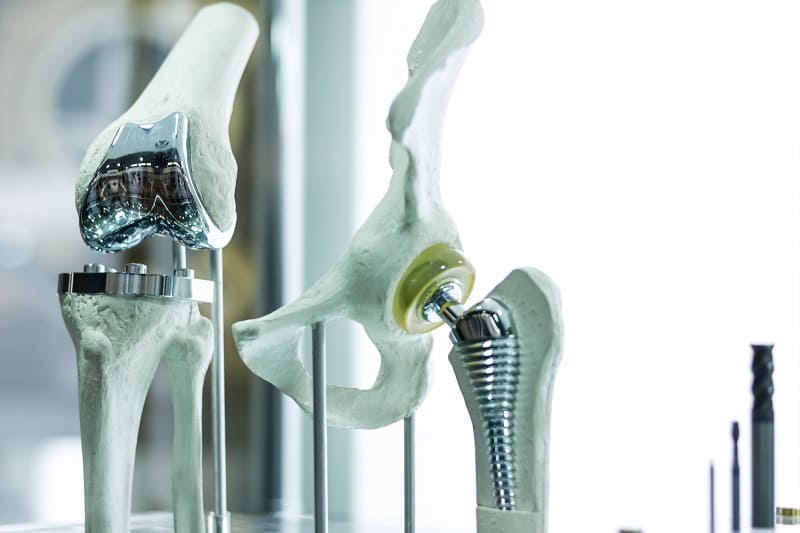
During this evaluation, your doctor may also discuss the type of implant being used for the surgery and whether or not a total knee replacement is needed.
2. Lifestyle Modifications: Improving Surgical Outcome
Making some lifestyle changes before surgery can help improve the knee replacement recovery process and reduce complications occurring. Here are some lifestyle adjustments that may be recommended:
- Weight Management: Depending on your weight and your doctor’s recommendations, some individuals may need to gain or lose a small amount of weight before surgery to reduce stress on the new implant.
- Smoking: Smoking affects blood flow and can lead to longer healing and recovery times.
- Strength Building: To make knee replacement recovery smoother, focus on building strength in your legs when exercising.
3. Home Preparation
After surgery, your mobility will be limited for several weeks, which is why preparing your home in advance is important for the recovery process. Here are some household changes you may want to implement:
- Create a comfortable recovery area on the first floor of our home.
- Install any necessary safety equipment, like handrails or nonslip mats.
- Rearrange furniture in small areas to create bigger walking paths.
- Place everyday items in areas that are easily reachable.
- If you live alone, arrange for help with chores, meals, and transportation for the first few weeks of knee replacement recovery.
4. Medications and Diet
Your medical team will create a plan that will go into detail on what medications you should stop, begin, or adjust before surgery, typically blood thinners or anti-inflammatory drugs. In this plan, you will also have instructions on when you should start fasting the day before your surgery.
During Knee Replacement Surgery: In the Operating Room
1. Anesthesia
Knee replacement surgery is typically a 1-2 hour procedure that requires either:
- General anesthesia: Puts you to sleep during the surgery.
- Regional anesthesia: A spinal block that will numb the lower half of your body.
The anesthesiologist will determine which option is best for you based on your health history.
2. Surgery
During the procedure, the surgeon will remove the damaged cartilage and bone from the knee joint and replace them with an implant made up of either metal, ceramic, or plastic.
- An incision is made to gain access to the joint.
- The damaged bone tissue is removed.
- The surgeon positions and secures the implant.
- Proper alignment is tested with movement.
- The incision is closed.
Some hospitals may offer different techniques that reduce the incision size, allowing for quicker recovery.
3. Post-Op Monitoring
Once you wake up after surgery, you will be in a recovery room where nurses will monitor your vitals.
- Blood pressure
- Heart rate
- Pain levels
- Oxygen levels
Depending on your health needs and post-operative monitoring, you may go home the same day or have a 1-2 night stay at the hospital.
Knee Replacement Recovery: After the Surgery
There are a few phases you will go through during the recovery process after your knee surgery.
1. The First 24-48 Hours
a) Pain Management: Pain and swelling are normal and will occur after surgery. Your medical team will provide instructions on a personalized pain management plan that can include:
- Oral medication
- Ice therapy
- Elevation
- Compression
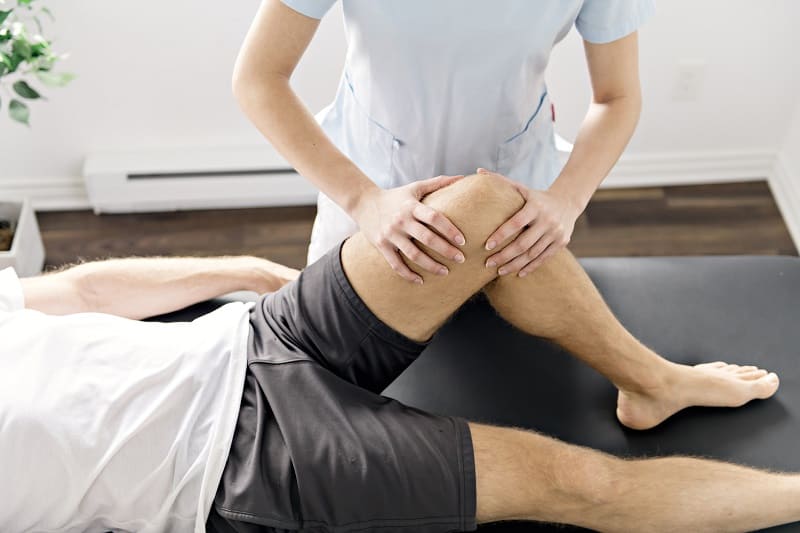
b) Mobility: Typically, within a few hours of the procedure, you will begin moving your leg and walking with assistance. A physical therapist will also begin to teach you exercises that will help build strength and flexibility. Early movement helps with:
- Prevent blood clots
- Reduce stiffness
- Encourage joint healing
2. Weeks 1-3: Building Strength and Mobility
During the first few weeks of knee replacement recovery, you should have goals that include:
- Increasing walking distance
- Bending the knees
- Reduce swelling
- Strengthen leg muscles
During this time period, you will visit a physical therapist 2-3 times a week, along with performing your at-home exercises. Many patients find this time period challenging, but it is a crucial component. Consistency will lead to better long-term results.
Common Exercises:
- Quad sets
- Heel slides
- Leg raises
- Knee bends
- Stationary cycling
While you may experience discomfort during this phase of recovery, sharp or worsening pain should be reported to your doctor immediately.
3. Weeks 4-12: Gaining Independence
During this stage, patients find themselves gaining independence through:
- Longer walking distance
- Light household chores
During this time, you should be able to:
- Walk stairs with assistance
- Bend the knee 100-120 degrees.
You may gradually resume daily activities like
- Driving
- Light exercise
- Desk work
Around weeks 8-12, most people are able to return to normal activities as advised by their medical team.
4. Months 3-12: Long-Term Recovery
Patients often experience improved mobility, decreased or eliminated joint pain, stability, and increased ability to walk.
Low-impact activities like yoga, walking, or cycling are generally safe and recommended for long-term knee health.
Tips for a Smooth Knee Replacement Recovery
- Be consistent with physical therapy.
- Manage pain wisely and use as directed.
- Fuel your body through a diet rich in protein, vitamins, and hydration.
- Balance is crucial. Too much movement can cause inflammation or injury, so be sure to rest and not overdo it.
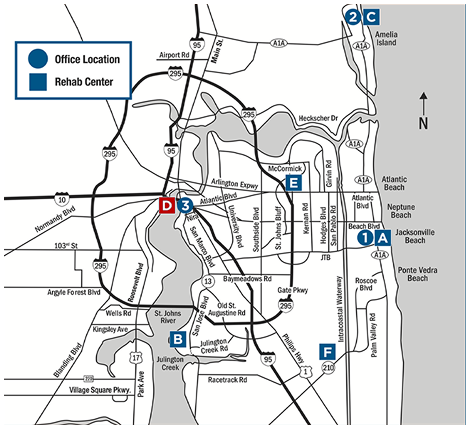
Knee Surgery in Jacksonville: Jacksonville Orthopaedic Institute
JOI Physicians continue to offer online new patient appointments. This is another option to make it more convenient to make new patient appointments with shorter phone hold times. Contact us today to schedule a knee surgery in Jacksonville!