
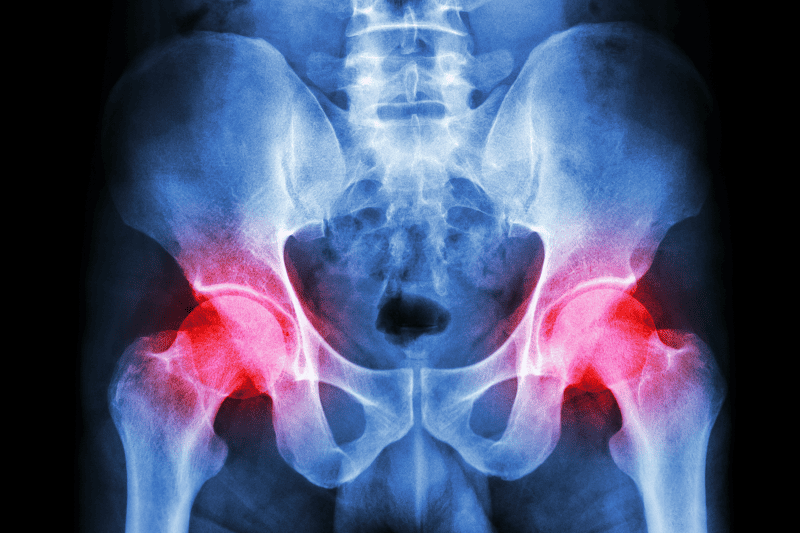
Hip dysplasia is a condition where the hip socket (acetabulum) does not fully cover the ball of the thighbone (femoral head). This can lead to pain, instability, and potentially arthritis if left without treatment. While it is often diagnosed during infancy, many individuals don’t experience symptoms until adolescence or adulthood.
When symptoms like pain, clicking, instability, or limited range of motion begin to affect your daily life, treatment research is necessary. Two of the main surgeries for adults with hip dysplasia are hip arthroscopy and hip reconstruction.
Understanding Hip Dysplasia
Before going into treatments, it is crucial to understand hip dysplasia and how it affects your body.
The ball-and-socket structure in a healthy hip is stable and aligned properly. This allows smooth motion and even distribution of force when walking. In hip dysplasia:
- The socket is too shallow or misaligned.
- The femoral head is not properly supported.
- Increases the chance of joint wear, labral tears, and cartilage damage.
If left untreated, dysplasia can lead to early-onset osteoarthritis, even in young adults who live an active and healthy lifestyle. The goal of hip dysplasia treatment is not only to restore joint stability and protect cartilage, but it also works to prevent the need for a hip replacement.
What is Hip Arthroscopy?
Hip arthroscopy is a minimally invasive surgery that is used to diagnose and treat problems inside the hip joint. This is done by inserting a camera (arthroscope) through a small incision to visualize and repair soft tissue. It’s used to treat:
- Labral tears.
- Femoroacetabular impingement (FAI).
- Loose bodies.
- Synovitis (joint inflammation)
With borderline hip dysplasia, the misalignment is mild, making hip arthroscopy more desirable than hip reconstruction. Hip arthroscopy may relieve symptoms without changing the actual bone structure.
Pros Of Hip Arthroscopy
- Minimally invasive: Small incisions with less blood loss than a typical surgery.
- Faster recovery: Most patients can resume light activity within weeks.
- Targets soft-tissue pain: Especially helpful if there is a labral tear.
- Outpatient procedure: Since it is minimally invasive, many patients are able to go home the same day.
Cons Of Hip Arthroscopy
- Does not fix alignment: It doesn’t address the core cause in more severe cases of dysplasia.
- Not for all cases: More severe or advanced cases of hip dysplasia or arthritis may not benefit from this.
- Risk of symptom recurrence: If underlying issues remain, the pain may return.
Candidates For Arthroscopy
This hip dysplasia treatment may be appropriate for:
- Patients with borderline dysplasia.
- People with tears in the labrum with minimal bone deformities.
- Patients looking for short-term relief or who have low activity demands.
What Is Hip Reconstruction: Periacetabular Osteotomy (PAO)
Periacetabular osteotomy is used for treating symptomatic hip dysplasia, especially in young adults. The surgery involves cutting and repositioning the pelvic bone to cover the femoral head, restoring joint alignment and function.
PAO allows correction to the angle of the hip socket while preserving the natural hip joint. It is highly effective in improving function while reducing pain and slowing arthritis progression.
Pros Of Hip Reconstruction
- Addresses the root cause: Corrects the misalignment
- Preserves the natural joint: Your joint remains in line with hip replacements.
- Long-term relief: Excellent outcomes even after 10-20 years post-op.
- Can delay or prevent arthritis progression.
Cons Of Hip Reconstruction
- Invasive procedure: Larger incisions, bone cuts, and a longer recovery time compared to minimally invasive hip dysplasia treatments.
- Longer Rehabilitation: Full recovery can take up to 6-12 months.
- Higher initial pain.
- Risk of complications: Any major surgery has risks like blood clots, nerve injuries, etc.
Candidates for Hip Reconstruction
This surgery may be appropriate for:
- Active patients, usually under 40, with symptomatic hip dysplasia.
- Patients with moderate to severe dysplasia.
- Individuals with minimal to no arthritis.
- People who need long-term relief to maintain high activity levels.
Hip Arthroscopy vs. Hip Reconstruction: Key Differences
| Hip Arthroscopy | Hip Reconstruction |
| Minimally invasive | Open surgery |
| 3-6 months recovery time | 6-12 months recovery time |
| Soft tissue repair | Bone realignment |
| Candidates with borderline dysplasia and labral tears | Candidates with moderate to severe dysplasia |
| Limited joint preservation | High chance of joint preservation |
| Higher risk of arthritis progression | Lower risk of arthritis progression |
| The procedure is 1-2 hours long | Surgery is 3-5 hours long |
| Outpatient or 1-night stay post-op | 3-5 days in the hospital post-op |
Can Arthroscopy and PAO Reconstruction Be Combined?
In some cases, yes, both hip arthroscopy and reconstruction can be used alongside each other. This typically happens when there are labral tears or cartilage damage that need to be repaired.
A combined approach allows both the bone structure and soft tissue damage to be repaired in one surgery rather than multiple procedures.
Factors to Consider when Making the Right Decision
- Degree of Dysplasia
- Borderline or minor cases of dysplasia may be recommended for arthroscopy.
- Moderate to severe cases mainly require PAO reconstruction.
- Age and Activity Level
- Younger and more active patients benefit more from reconstruction surgery.
- Older patients or those with low physical demands may be recommended to undergo arthroscopy or replacement instead of reconstruction.
- Arthritis
- In severe cases of arthritis, you may need hip replacement instead of arthroscopy or reconstruction.
- Surgeon
- Not all orthopedic surgeons specialize in both procedures. You may have to seek help from a hip preservation specialist who will offer both hip dysplasia treatment options.
- Personal Goals
- PAO reconstruction may be a better option for those who have a more active lifestyle.
- Individuals looking for short-term relief without major surgery may lean more towards arthroscopy for treatment.
What Happens If You Choose The Wrong Hip Dysplasia Treatment?
It is crucial to discuss with your physician the treatment options available to you. Choosing the wrong treatment can lead to:
- Symptoms continuing
- Worsening instability
- Progression of arthritis
- Need for additional procedures
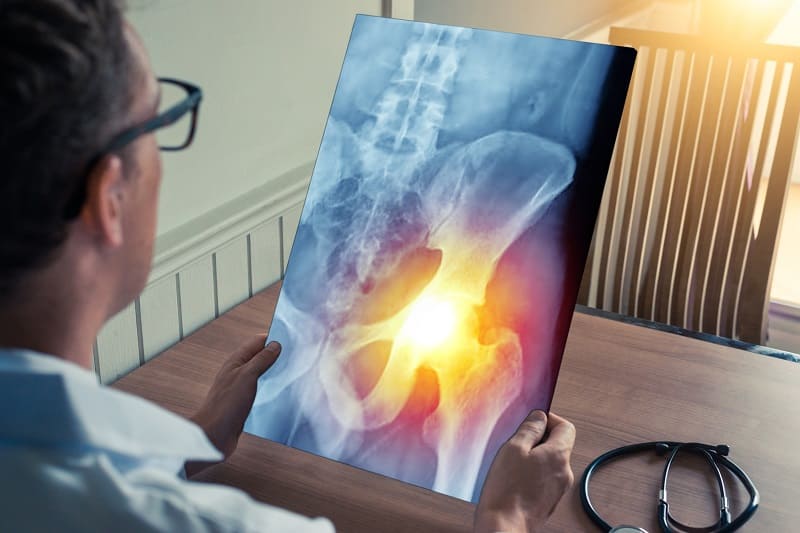
With careful evaluation with imaging (X-rays, MRI, CT) and discussions with your doctor, you will be able to research and discuss which treatment option best fits your individual situation.
Book An Appointment With Jacksonville Orthopaedic Institute Today!
At JOI, you can schedule a new patient appointment online through our website. Connect with a physician who specializes in the hip to help discuss treatment options for hip dysplasia. Contact us today to book a consultation!