
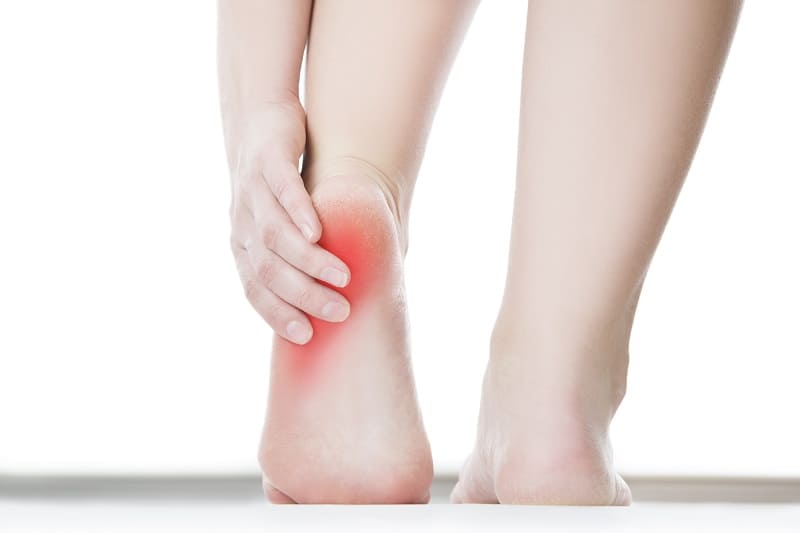
Tendon and ligament injuries are among the most common musculoskeletal problems faced by not only athletes but also people performing normal everyday tasks. Whether it’s a torn ACL, sprained ankle, or overused tendon, these soft tissue injuries can be frustrating when it comes to the healing process.
Tendons vs. Ligaments: What’s the Difference?
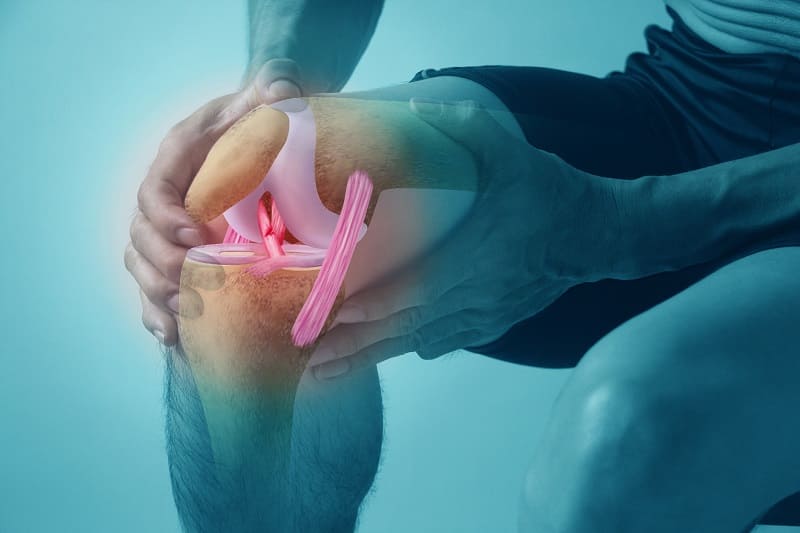
When suffering from an injury, it is important to understand the differences between tendons and ligaments.
- Tendons are tough fibrous cords of connective tissue that attach muscle to bone. They help with muscle contraction to move the joints of the body.
- Ligaments connect one bone to another to provide stability. They aid in preventing excessive motion and maintaining alignment.
While they have similarities, like they are both made of collagen and appear similar, they provide different roles to the body and respond differently to injury.
Tendon Recovery
Depending on whether the injury is acute or chronic, tendon recovery typically goes through three phases.
- Inflammatory Phase (0-7 Days)
This period begins immediately after the injury occurs. White blood cells will rush to the injured site to remove damaged tissue. You may notice swelling, redness, and pain.
- Proliferation Phase (7-21 Days)
During this phase, fibroblasts start to rebuild the tendon, new collagen fibers are laid down, and controlled movement is often introduced.
- Remodeling Phase (3 Weeks- 6+ Months)
In the next couple of months, collagen fibers begin to align according to the stress and strain applied. Your strength will also gradually improve. Full tendon recovery may take up to several months, depending on the location of the injury and its severity.
While recovery times vary, here is a general recovery timeline:
- Mild tendon strain – 2-4 weeks
- Moderate tendon injury – 6-12 weeks
- Chronic tendonitis – 3-6 months
Torn Ligament Recovery
Ligament injuries are classified by severity:
- Grade I: Mild stretch
- Grade II: Partial tear
- Grade III: Complete tear or rupture.
Like tendons, torn ligament recovery has similar healing phases:
- Inflammatory Phase
During this phase, the body starts clearing out damaged cells. You may notice bruising or swelling near the injured site.
- Repair Phase
This period is where new collagen is produced to repair the tear or rupture. Bracing or immobilization may be necessary to protect the joint.
- Remodeling Phase
This phase may last 6-12 months, especially for severe injuries. During this process, ligament strength and elasticity are restored.
While recovery times vary, here is a general recovery timeline:
- Minor ligament sprain – 2-6 weeks
- Moderate ligament tear – 8-12 weeks
- Complete ligament tear – 6-12 months
What Delays Tendon and Ligament Healing?
- Poor Blood Supply
Compared to muscles, both tendons and ligaments have low blood supply. This limit slows down the delivery of oxygen and nutrients necessary for healing.
- Inactivity or Immobilization
While rest is important, especially in the beginning after the injury occurs, complete immobilization for too long can lead to stiffness, muscle atrophy, and disorganized collagen formation. Controlled movement is essential for proper healing and remodeling.
- Re-injury or Overuse
Just like too much rest is bad, excessive use or returning to activity too soon can lead to setbacks. Returning to activity too soon can put stress on the injured site and lead to re-injury of partially healthy tendons or ligaments. This can lead to longer recovery times.
- Age and Health Conditions
The older you are, the longer the healing process may be, due to reduced collagen production and cell turnover. Conditions like diabetes, obesity, or autoimmune diseases can also lead to slower recovery times due to soft tissue healing.
- Smoking and Nutrition
Nicotine reduces blood flow and oxygenation of tissues, leading to delays in the recovery process. Poor nutrition, such as low protein or vitamin C, can also hinder recovery and the repair of collagen-based tissues.
Treatments That Support Tendon and Torn Ligament Recovery
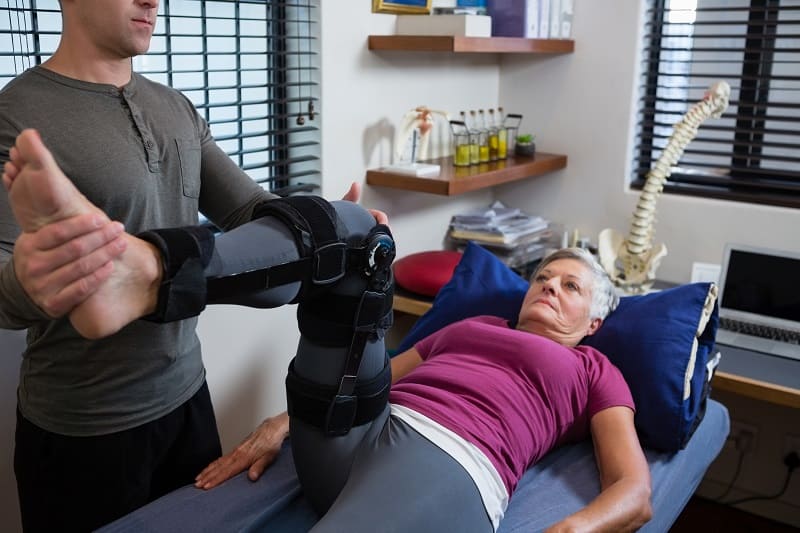
- Physical Therapy
Rehabilitation programs focus on gradually restoring strength, flexibility, and function by using a program created specifically for each patient. Strengthening exercises, balance training, and manual therapy to improve therapy are all techniques that may be included in physical therapy sessions.
- Platelet-Rich Plasma (PRP) Therapy
PRP injections use your own blood’s platelets to stimulate tissue repair. This therapy is becoming popular for tendonitis and partial ligament tears.
- Bracing or Taping
Braces or kinesiology tape can be used to support injured joints and reduce strain on the healing tissues, especially during the beginning stages of recovery.
- Surgery
For more severe injuries like complete tears or ruptures, surgery may be necessary. Post-operative rehabilitation is recommended to restore function.
Nutrition for Recovery
Nutrition is often an overlooked part of recovery. Here’s what your body needs for optimal tendon recovery and torn ligament recovery.
- Protein: Key for collagen synthesis and tissue repair.
- Vitamin C: Aids in collagen production.
- Omega-3 Fatty Acids: Reduces inflammation and can support the healing process.
- Collagen Supplements: Some studies have shown that supplements, when combined with vitamin C, may support tendon and ligament health.
Tendon and Ligament Injury Prevention Tips
You can reduce your risk of injury by:
- Warming up before beginning activities or exercises.
- Strength training to support joint stability.
- Work on flexibility and mobility exercises.
- Wear appropriate footwear.
- Use proper technique in sports and while exercising.
Consistency with form is key to preventing wear and tear that leads to tendon and ligament injuries.
Emotional Aspects of Tendon Recovery and Torn Ligament Recovery
It’s common for tendon and ligament recoveries to take months to heal fully. This can be mentally and emotionally draining for most patients. Many experience:
- Frustration from restricted activities.
- Anxiety about reinjury.
- Loss of motivation.
Mental health is a crucial part of recovery after injury. Reach out to your healthcare professionals to find support through groups or therapy. Being in the right mind when going through months of recovery can be hard, but putting in the work for the right headspace will help your healing process both physically and emotionally.
Book an Appointment with The Jacksonville Orthopaedic Institute Today!
Recovering from a tendon or ligament injury takes time, patience, and a structured approach. Whether you’re dealing with an acute sprain or chronic tendon condition, understanding the phases of healing and what can delay progress is essential.
Key points to remember:
- Tendon Recovery happens in three main phases and can take weeks to several months depending on the injury.
- Healing is often delayed by poor blood flow, inactivity, or underlying health issues.
- Supportive treatments like PRP therapy, proper nutrition, and physical therapy can significantly aid recovery.
- Lifestyle choices like smoking or poor diet can negatively impact collagen repair and tissue healing.
For optimal results, follow your healthcare provider’s guidance and focus on gradual progress. If you are unsure whether your recovery is on track, don’t hesitate to reach out to a medical professional. JOI Physicians continue to offer online new patient appointments. This is another option to make it more convenient to make new patient appointments with shorter phone hold times. Follow the link or call us at 904-JOI-2000 to schedule an appointment today!
Frequently Asked Questions
Q: How long does tendon recovery usually take?
A: Recovery time varies based on the injury’s severity. Mild strains may heal in 2-4 weeks, while conditions like tendonitis may take 3-6 months or more.
Q: What delays tendon and ligament healing?
A: Common delays include poor circulation, inactivity, smoking, nutritional deficiencies, and re-injury due to premature return to activity.
Q: Is PRP therapy effective for tendon and ligament injuries?
A: Many studies support the use of Platelet-Rich Plasma (PRP) for certain soft tissues injuries, especially chronic tendinitis and partial ligament tears.
Q: What nutrition supports tendon recovery?
A: Protein, Vitamin C, Omega-3 fatty acids, and collagen supplements all play a role in collagen synthesis and tissue repair.
Q: When should I consider surgery for a torn ligament or tendon?
A: Surgery is typically recommended for complete ruptures or when conservative treatments like therapy and bracing have not been effective.