
Our hands are essential for daily activities, whether that be holding onto your phone, writing in a journal, or playing sports. When a hand injury or condition affects your ability to function, it can disrupt your daily life tremendously. Thankfully, hand surgery has come a long way for not only relieving pain but also restoring function.
Why Hand Surgery?
The hand is a complex structure made up of bones, tendons, ligaments, muscles, nerves, and blood vessels. This means that even the slightest injury can lead to extreme pain, reduced function, or the inability to function if not treated accordingly.
Hand surgery aims to repair damage while restoring function and reducing pain. Surgeons who perform these surgeries are typically trained in orthopedic surgery, plastic surgery, or general surgery. Whether your pain is coming from an injury, a congenital condition, or arthritis, specialists are able to provide options to improve function and alleviate pain.
Depending on the condition or fracture you have, the type of surgery you may need can vary. Speaking to a specialist will ensure proper care for your hands’ healing process.
Common Conditions That May Require Surgery
There are many conditions that may need surgical intervention, like:
- Carpal tunnel syndrome
- Trigger finger
- De Quervain’s Tendonitis
- Fractures or dislocations
- Tendon and nerve injuries
- Arthritis
- Ganglion cyst
Because of the vast differences between these pathological conditions, each one may require a different approach to treatment, whether that be surgery or conservative methods like physical therapy.
- Carpal Tunnel Release
Carpal Tunnel Syndrome (CTS) is an extremely common hand condition caused by the compression of the median nerve as it passes through the carpal tunnel in the wrist. If you experience CTS, you may experience numbness, tingling, weakness, and pain.
Surgical Treatment:
Carpal tunnel release surgery involves cutting the ligament that forms the roof of the carpal tunnel to relieve pressure on the median nerve. This can be done as an open surgery or endoscopically. Most patients recover within a few weeks.
- Trigger Finger Release
Trigger finger (stenosing tenosynovitis) occurs when the tendon in a finger becomes inflamed, resulting in a bent position. Your finger may lock or “click” when straightened out.
Surgical Treatment:
A small incision will be made in the palm to release the sheath that is causing restriction in the tendon. This is an outpatient procedure and oftentimes results in immediate relief and restoration of motion.
- Tendon and Nerve Repairs
Traumatic hand injuries that result in severed tendons and nerves may need hand surgery. If your tendons or nerves are affected during an injury, you may experience loss of movement and sensation in parts of the hand or fingers.
Surgical Treatment:
Tendon repair involves suturing the ends of the torn tendon, whereas nerve repair includes direct suturing or nerve grafting, depending on the severity. These surgeries require early intervention in hopes of a better outcome.
- Fracture Fixation

Hand or wrist fractures can range from simple cracks to complex breaks. Common fracture sites are the metacarpals and the phalanges.
Surgical Treatment:
If the fracture is unstable or displaced, surgery may involve pins, screws, or plates to help hold the bones in place during the healing process. This will aid in alignment and function.
- Arthritis Surgery
Specifically, osteoarthritis or rheumatoid arthritis leads to chronic pain, stiffness, and deformity of the hand. Surgical options are available after conservative treatments like medication and therapy are no longer effective.
Surgical Treatment:
- Joint fusion (arthrodesis): This procedure fuses the bones together to reduce pain.
- Joint replacement (arthroplasty): During this surgery, the damaged joints are replaced with prosthetic implants.
- Synovectomy: This option removes the inflamed joint lining.
- Dupuytren’s Contracture Surgery
This condition involves the thickening and tightening of tissue under the skin of the palm and fingers, leading them to bend towards the palm.
Surgical Treatment:
- Fasciectomy: The removal of the thickened tissue.
- Needle Aponeurotomy: This is a minimally invasive procedure that uses needles to break the cords.
- Ganglion Cyst Removal
Ganglion cysts are fluid-filled areas that commonly develop on the back of the wrist or hand. While these are typically harmless, they can cause discomfort and restrict the range of motion.
Surgical Treatment:
Surgical excision is recommended when the cyst is painful or recurs after aspiration. The procedure removes the cyst and its root, which will reduce the risk of recurrence.
- De Quervain’s Tenosynovitis Release
This condition causes pain on the thumb side of the wrist, typically due to overuse or repetitive motions.
Surgical Treatment:
The surgery will involve releasing the sheath around the affected tendon to allow it to move more freely. Recovery is usually quick with minimal risks of complications.
- Congenital Hand Surgery
Children born with extra fingers, fused fingers, or underdeveloped thumbs may need corrective surgery. Surgery will improve function and encourage normal development. Surgical timing is often coordinated with the child’s growth to have the best results possible.
Recovery and Rehabilitation

Depending on the type and complexity of the procedure, the patient’s age and overall health, and post-operative follow-up and care, recovery can range from person to person. Hand therapy plays a critical role in regaining motion, strength, and function. Physical or occupational therapy may include:
- Stretching and strengthening exercises
- Scar management
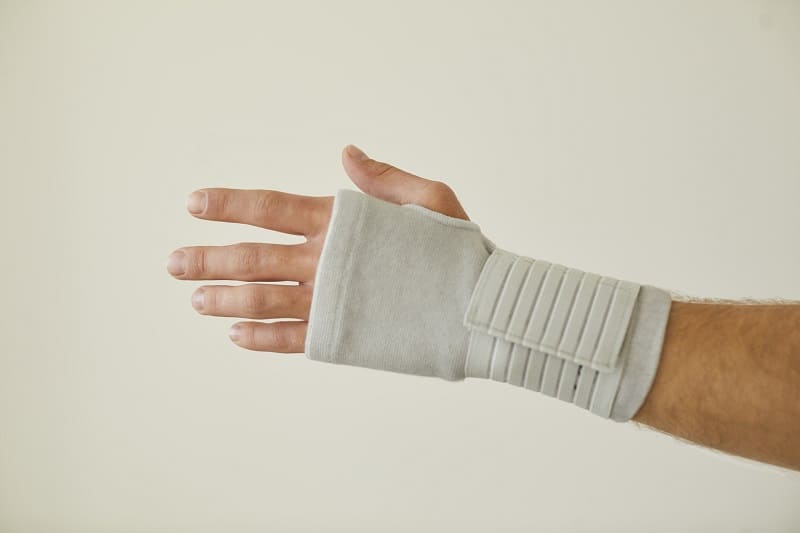
- Splinting
- Sensory retraining (specifically for nerve injuries)
When Should I See a Hand Surgeon?
You should consider seeing a hand surgeon if you experience:
- Persistent pain in your hand, wrist, finger, or forearm.
- Loss of strength or grip.
- Numbness or tingling in the hand.
- A noticeable deformity or swelling appears.
- An injury that limits function.
Early diagnosis and treatment can prevent long-term damage and improve your overall outcome after surgery. If you are experiencing any of these symptoms or have concerns about your hand health, talk to a qualified specialist.
Book an Appointment with Jacksonville Orthopaedic Institute!
JOI Physicians continue to offer online new patient appointments. This is a convenient option to make new patient appointments with shorter hold times. Contact JOI today to schedule an appointment with a physician.