
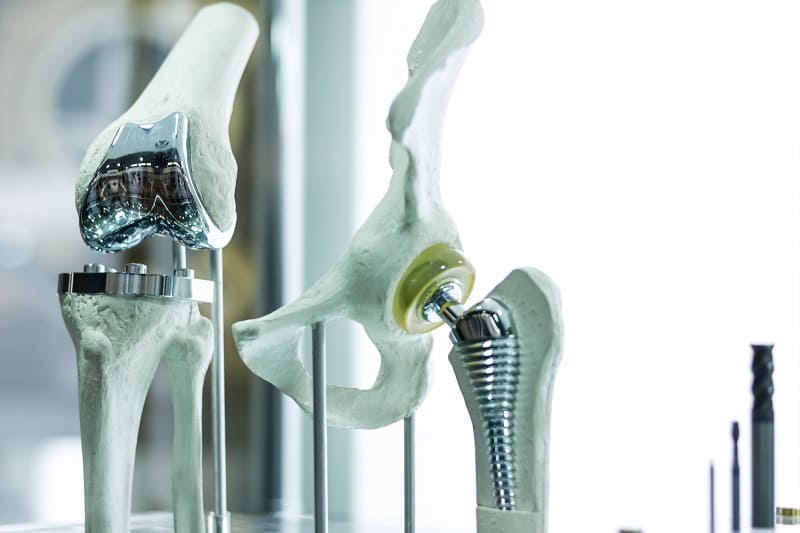
Chronic hip or knee pain can impact a person’s daily life significantly, hindering them from completing day-to-day tasks. What can begin as discomfort or stiffness may develop into constant pain and aching that can make simple tasks like sleeping or walking difficult. Hip and knee reconstruction surgery offers relief, but at times does not perform as expected, leading to patients feeling frustrated or discouraged.
At Jacksonville Orthopaedic Institute (JOI), patients facing challenges and who may need revision surgery find specialized care with orthopedic surgeon Dr. Patrick Brooks. His work focuses on helping patients move beyond pain and reclaim with range of motion and mobility, improving their overall quality of life.
When Joint Replacement Revision May Be Needed
Hip and knee reconstruction surgery are some of the most successful orthopedic surgeries, but just like any other procedure, complications with the implant or wear and tear may call for a revision surgery. Some patients can experience problems months after their original surgery, while others have complications years after.
Common reasons for revision surgery:
- Implant wear or loosening
- Persistent or increasing pain
- Infection
- Bone loss near the implant
- Changes with leg length discrepancies
These issues can limit mobility and reduce the benefits of the original surgery. Revision hip and knee reconstruction is used to correct these problems by repairing or replacing any of the components of the implant that might be compromised. Since each patient and their case is unique, revision surgery requires a high level and specialized technique, planning, and precision.
Dr. Patrick Brooks: Orthopedic Surgeon, Jacksonville
Dr. Patrick Brooks specializes in hip and knee reconstruction at JOI. He completed his residency at Orlando Health Jewett Orthopedic Institute, where he then became chief resident and received awards for research. Since then, he has completed an advanced fellowship training in adult reconstruction at the University of Arkansas and authored many peer-reviewed research articles.
This advanced training equipped him with the skills to manage complex cases that require revision surgeries due to implant complications, infection, compromised bone quality, and more.
Since revision surgery demands an understanding of the implant system, biomechanics, and how each surgical decision affects long-term function, Dr. Brooks combines his expertise with a patient-focused approach that will prioritize safety and beneficial outcomes.
Diagnosis and Planning: A Thoughtful Approach
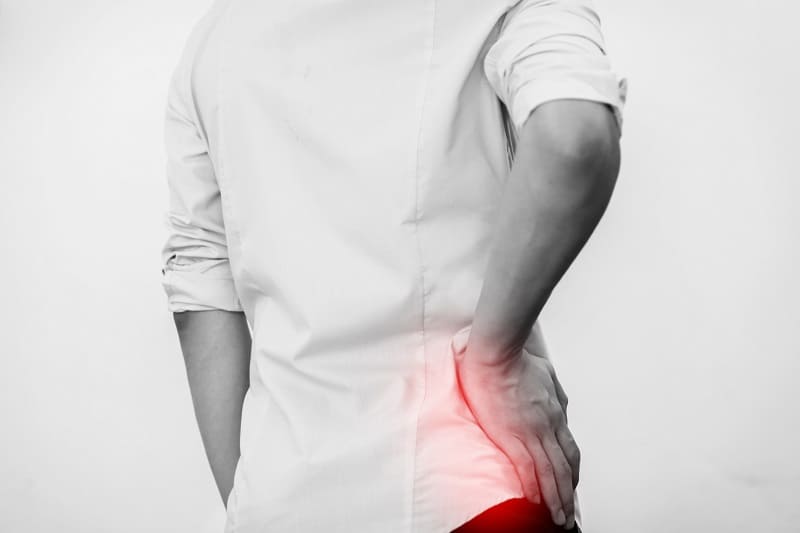
An accurate diagnosis is critical when moving forward with a revision surgery. While pain can be an indicator of needing a revision, it doesn’t always mean the implant has failed. Without a clear understanding, a diagnosis cannot be made successfully.
To ensure proper diagnosis, Dr. Brooks’ Evaluation may include:
- A detailed medical and surgical history.
- Physical examination of the joint.
- Imaging tests like X-rays, CT scans, or MRIs.
- Laboratory testing (especially if infection is suspected).
This evaluation process will allow him to identify the root of the issue and develop a surgical plan tailored to the patient’s unique anatomy, medical history, activity levels, and long-term goals.
Why Revision Surgery is More Complex
Revision surgery presents challenges not usually seen in original surgeries. Scar tissue from previous procedures, weakened bone, and anatomy can further complicate the implant removal or placement.
Dr. Brooks addresses complex cases such as:
- Removing malfunctioning implants.
- Managing bone loss and/or deformity.
- Restoring joint alignment and leg length.
- Treating infection and preserving joint structures.
Revision surgeries require advanced techniques and careful decision-making. The goal is not only to relieve pain, but also to provide a joint stable enough to provide long-term beneficial outcomes.
Innovation and Technology at Jacksonville Orthopaedic Institute
JOI Physicians use advanced technology and modern surgical tools to support revision hip and knee reconstructions. Dr.Brooks uses the latest implant designs and surgical techniques to optimize the outcome for his patients. This includes using:
- Specialized revision implant systems.
- Advanced imaging for more precise preoperative planning.
- Minimally invasive approaches when appropriate (depending on case specifics).
- Evidence-based protocols in surgery and care.
By combining these modern technologies and innovations, JOI works to ensure that patients benefit from precision and safety.
Who May Benefit From Revision Surgery
Patients with ongoing problems or symptoms after their knee or hip replacement may benefit from a revision evaluation. Signs you may need an evolution include:
- Persistent or increasing joint pain.
- Difficulty bearing weight.
- Joint instability.
- Changes in joint alignment or leg length.
Early evaluation can help identify issues before they lead to further, more complex complications.
The Emotional Side of Hip Replacement Surgery
When patients need a revision hip replacement surgery, they often come in anxious and with questions about recovery time, long-term success, and whether the revision will benefit them since the original surgery failed.
An emphasis on communication and educating the patient will help them understand the procedure and the outcomes they may have, subsiding their fears. Dr. Brooks takes time to explain:
- Why the replacement failed.
- What are the realistic outcomes of revision.
- Potential risks.
- Expected recovery times.
- The importance of physical therapy and rehabilitation.
Quality of Life after Revision Surgery
For many patients, a successful revision surgery allows them to return to activities that once caused them pain and discomfort, improving their quality of life significantly. With increased independence and reduced discomfort, patients feel as though their recovery marks a turning point for them.
While outcomes and long-term recovery can vary, revision hip and knee reconstruction provides stability in patients who were once hindered in their everyday lives.
Dr. Patrick Brooks: A Commitment to Specialized Orthopedic Care
At Jacksonville Orthopedic Institute, Dr. Patrick Brooks commits to providing patients with specialized, compassionate care with thoughtful planning throughout the entire process. His focus in precision, communication, and long-term goals reflects JOI’s commitment to helping their patients and improving their quality of life.
Book an Appointment with The Jacksonville Orthopaedic Institute Today!
JOI Physicians continue to offer online new patient appointments. This is another option to make it more convenient to make new patient appointments with shorter phone hold times. Contact JOI today to schedule an appointment with Dr. Patrick Brooks to discuss revision hip and knee reconstruction.