





When Joint Replacement Surgery Needs a Revision
Although no surgeon or patient ever wants a patient to need a joint replacement revision, especially with most joint replacements having a 90% success rate, they are sometimes necessary. Failed joint replacements can occur for a variety of reasons, including wear and tear or complications that develop over time.
If you’ve had a joint replaced, it’s important to be aware of potential joint failure symptoms. Recognizing a failed joint replacement early could mean an easier revision surgery and fewer post-op healing complications. When it’s time for a joint replacement revision, being prepared will give you both the knowledge of what to expect and peace of mind, so you don’t fear the unknown.
What Is Revision Joint Replacement Surgery?
If you or a loved one has ever had joint surgery, you may have heard of joint replacement revision or revision joint surgery. Joint revision surgeries occur when the original hardware fails, infection inhibits proper healing, or an individual’s unique anatomy wasn’t taken into account during the initial surgery. Surgeons must undertake additional preparation and planning to ensure the revision is successful.
A revision surgery differs from the primary surgery because the conditions are different — the surgeon isn’t dealing with an untouched problem that needs to be fixed. In addition to the primary issue, there may be other complicating factors that must be addressed. For example, scar tissue may have formed around the site, making the surgery more complex.
Definition of Revision Surgery
A joint revision surgery is when an orthopedic surgeon removes the original implant and replaces it due to a failed joint replacement. This can happen for a variety of reasons, but the revision entails redoing the primary joint replacement surgery. Common reasons include wear and tear over time, changes to the individual’s anatomy, or infection or injury.
Unfortunately, revision joint surgeries are often more complicated because there can be bone loss, scar tissue, and carry higher risks for infection and instability. Recovery can take longer. While joint replacements have come a long way, revision joint surgery may be required for those who have had knee, shoulder, or hip replacements, among others.
Joint replacement revision is different than a primary joint replacement surgery because everything is just a bit more complicated. The original implant can present unique challenges, as well as additional changes to the joint and anatomy post-surgery that the surgeon must account for when revising.
Common Reasons Joint Replacements Fail
If a joint replacement revision is needed, it’s often a result of one of the following reasons:
Implant Loosening
Over time, your joint implant may shift or become misaligned, causing pain, discomfort, or instability. If it impacts your mobility or causes you pain, it may be time for a revision, but your provider will determine the best course of action for your specific case.
Infection
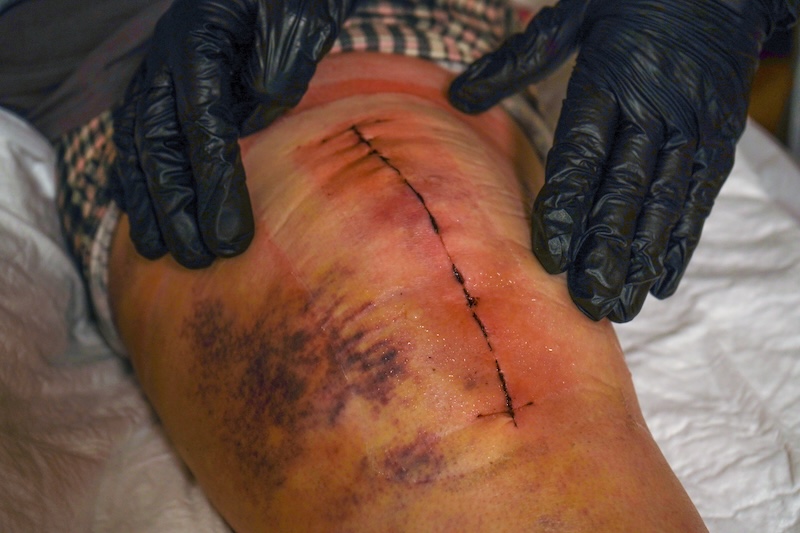
Although infection can be treated with medication, it can require a revision surgery. Infections can create a biofilm that attaches to bone and the implant, impacting functionality, and a complication that antibiotics alone cannot remove. Signs of an infected joint replacement can include redness, warmth to the touch, and a fever. Signs of an infection require prompt treatment to prevent it from advancing.
Implant Wear and Component Failure
Especially if a joint surgery was completed many years ago with outdated prosthetic materials and technology, the prosthetic material can break down over time. When the component wears out and fails, it is time for a revision joint surgery. Those who are more active may be at risk for the joints wearing out sooner.
How Doctors Diagnose Failed Joint Replacements
If you’re concerned that your joint replacement has failed, a licensed orthopedic specialist will conduct a thorough review to determine whether a revision is necessary. The steps typically include a physical examination and labs.
The physical examination will include a detailed account of your symptoms, as well as a physical examination in which your doctor will manipulate the joint to assess functionality, including instability, reduced mobility, and more. Your doctor will carefully examine your joint for signs of infection, such as redness, warmth, and swelling.
Additionally, you will likely be sent for additional testing beyond the physical examination, which will help support your physician’s diagnosis. Your doctor will likely order imaging tests, which could include X-rays, CT scans, and MRIs. Lab testing will likely also take place to analyze joint fluid, as well as blood tests to look for infection.
Treatment Options Before Revision Surgery
If you’re concerned you might need a joint replacement revision, it is important to explore treatment options before jumping into another surgery. Surgery is hard on the body, and recovery after a revision will likely take longer than the initial surgery. Non-surgical treatment options are often used in combination to achieve the best possible outcome.
Some options to explore before deeming your joint a failed joint replacement include physical therapy to improve strength and stability. Working with your provider on pain management options, including medications or injections, that can help you feel a little better while working on physical therapy, for example. Additionally, you may need temporary activity modifications to reduce stress on your joint.
Tips for Protecting Your Joint Replacement
If you’ve had joint replacement surgery and are concerned you may need a revision in the future, there are some things you can do to be proactive about maintaining your primary replacement.
Patients must attend follow-up appointments and follow the post-op instructions, including required and recommended physical therapy. This can reduce the risk of abnormal healing or scar tissue formation.
Additionally, patients should do their best to maintain a healthy weight. Being overweight puts additional wear and tear on joints, including pressure that can ultimately cause an injury over time. Staying physically active while being cognizant of the replacement (doing your best to prevent injuries and falls) will go a long way in protecting your joint replacement.
Contact an Orthopedic Specialist
If you’re experiencing symptoms that might indicate your joint replacement isn’t working as it should, it’s best to get it evaluated, especially if you’ve been doing well but are now experiencing problems. Symptoms that shouldn’t be ignored include instability or a feeling that your joint is “giving out,” swelling and pain, noises or other strange sensations, stiffness, and decreased mobility.
It’s important to have your joint evaluated by a qualified professional, as early intervention can lessen the chances of scar tissue setting in or of other complications from popping up. Contact a qualified orthopedic professional like the physicians at the Jacksonville Orthopaedic Institute today to get an appointment to have your joint evaluated!