





Non-Surgical Options for Managing Chronic Knee Pain
If you’re like 25% of adults who suffer from chronic knee pain, you’re likely looking for relief. This common, sometimes debilitating condition often comes as a result of injuries, overuse, and simply aging. While surgery can be a recommended treatment option for some patients, other non-surgical options for chronic knee pain treatment can lead to better outcomes or the same outcome as surgery.
Exploring non-surgical options before seeking a surgeon may give you many years of pain-free health and movement without having to go under the knife. Chronic knee pain treatment can come in many forms, from knee injections to other options for orthopedic care.
Understanding Chronic Knee Pain
Knee pain is very common, but it doesn’t always affect people the same way. Knee pain can be a result of a variety of different conditions, including knee arthritis and injuries, among others. Understanding chronic knee pain, what causes it, and options for chronic knee pain treatment will best prepare those with the pain to make decisions.
What Is Chronic Knee Pain?
Chronic knee pain is defined as knee pain that persists for three months or longer, with the most common cause being osteoarthritis. Chronic knee pain is pain that does not subside. It may get worse or aggravated from time to time, or it may stay at the same level of pain or discomfort, but to be considered chronic, it must continue for months.
Common Causes
There are a number of causes for chronic knee pain. Some may result from an injury, overuse, or even just a progression of aging. Some common causes include:
- Osteoarthritis
- Tendonitis
- Meniscus injuries
- Ligament strain
- Obesity and joint stress
Benefits of Non-Surgical Treatment Options
When considering your next steps for chronic knee pain treatment, it is wise to consider the benefits of non-surgical treatment options. While you may end up having surgery at some point, knowing that you exhausted non-surgical options is worth peace of mind and financial savings.
Non-surgical treatment options often carry much lower risk than surgery, even if that turns out to be warranted. Recovery isn’t linear, and it isn’t the same for every patient. Surgery requires significant recovery time, time off work, and may involve potential complications. The patient will also need to strictly adhere to rehab schedules to realize the benefit of the surgery, and not doing so could jeopardize the surgery’s success. There is an inherent risk that not everything will go to plan.
Additionally, surgery is expensive, and if there are complications that require a hospital stay or multiple return visits, the cost only goes up. The financial burden can be immense if a patient has a high deductible or insurance that doesn’t completely cover the treatment.
The overall benefits of at least trying non-surgical chronic knee pain treatment are significant, as it could mean complete healing without surgery. Personalized treatment plans can help improve mobility and manage or eliminate pain.
Non-Surgical Chronic Knee Pain Treatment Options
With the guidance of a physician specializing in orthopedics, along with physical therapists, there are a variety of options to treat knee pain, even knee arthritis, without surgery.
Physical Therapy and Exercise
Many instances of chronic knee pain can benefit from muscle development to help support the knee. A physical therapist can help prescribe a plan to increase strength in the muscles that support the knee, improve mobility and flexibility, and increase the range of motion.
Strengthening Exercises
Strengthening exercises and weight training may be indicated if an individual has insufficient support for their joint. By improving the support muscles surrounding the knee, normal knee function may be possible, which relieves pain and improves mobility.
Stretching and Flexibility
Many people are often quite stiff, especially if they are sedentary. Improving range of motion through stretching exercises and increasing flexibility may be options that can help relieve knee pain.
Weight Management and Lifestyle Changes
Unfortunately, many individuals experience knee pain because they are overweight. Obesity and even simply carrying a few extra pounds can result in reduced pressure on the knee joints. This can allow them to move freely without impeding the range of motion.
Weight management and lifestyle changes, including adding low-impact exercises, can help the patient lose weight and reduce the pressure on those joints. Consulting with a nutritionist can help patients make healthier choices, and in some cases, an anti-inflammatory diet may be recommended.
Low-Impact Activities
Staying active is another component of weight management and overall health, in addition to helping with chronic knee pain treatment. An orthopedic physician and/or physical therapist may recommend that a patient engage in the following low-impact activities that can help get patients moving while not putting extra pressure on their joints.
- Swimming
- Cycling
- Walking
- Yoga
Medications and Pain Relief Options
In some cases, a multi-faceted approach that includes adding certain medications and pain relief options is necessary. Your doctor will know which medications can help you without causing further problems down the road.
Over-the-Counter Medications
Some pain relief medications can be purchased over the counter, but those are indicated for acute situations, not chronic problems. Those with chronic knee pain should seek guidance from licensed physicians specializing in orthopedic care.
Topical Treatments
The market for topical treatments, including creams and gels, has expanded, and there are plenty of options that can provide some immediate, localized relief. These will have analgesic properties but won’t do anything to address the source of the problem.
Prescription Medications
Prescription medications are those medications that cannot be purchased at the local pharmacy without a prescription. For example, some prescription NSAIDs are better for long-term use because they don’t cause as much GI upset as those available without a prescription. Of course, there are also stronger pain medications that must be used with caution and under the direction of a physician.
Injection Therapies
Injection therapies are also a great option for chronic knee pain treatment. Knee injections can provide short-term benefits, including anti-inflammatory relief and increased lubrication, and there is some evidence that platelet-rich plasma therapy (PRP) can help regenerate tissue.
Bracing and Supportive Devices
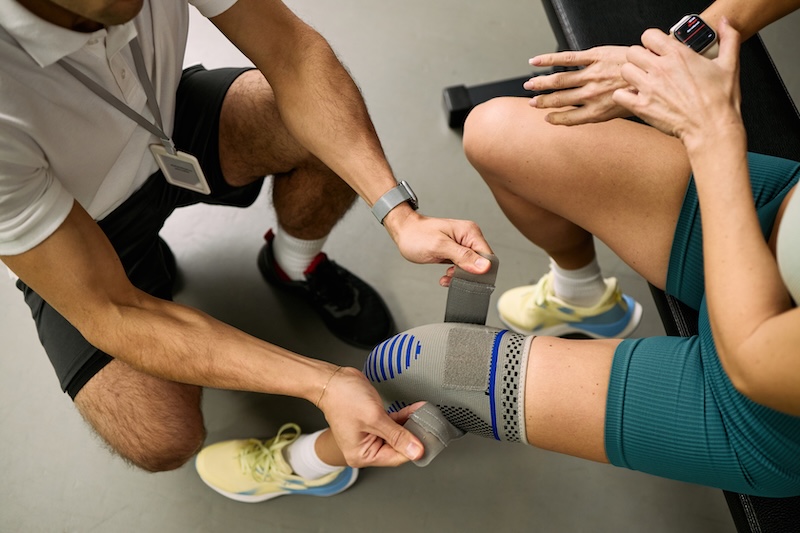
In some cases, bracing and supportive devices may be all a patient needs to get relief, or a combination of medications, knee injections, and bracing. These mobility aids could include knee braces and sleeves, orthotics and shoe inserts, and other mobility aids.
Find Out Your Options for Non-Surgical Chronic Knee Pain Treatment
Every case is different and should be evaluated by a medical professional, especially if you’re experiencing worsening symptoms, instability, or persistent swelling. There are many options to treat chronic knee pain, and it’s important to determine the best one for your specific condition.
That’s where the Jacksonville Orthopaedic Institute comes into play. Our team of doctors and physical therapists can provide you with a professional evaluation that can maximize long-term joint health and promote overall well-being without being rushed into surgery. Contact Jacksonville Orthopaedic Institute to schedule your orthopedic care evaluation today.