

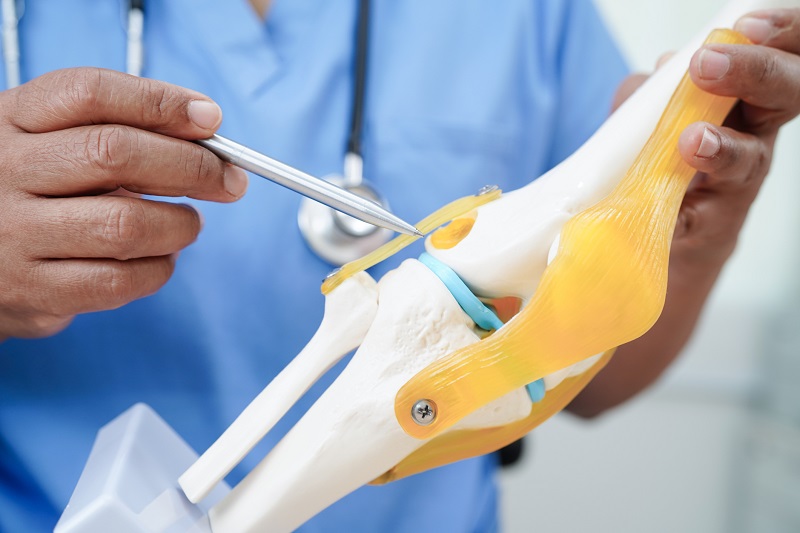
If you’ve been told you might need joint replacement surgery, you may be wondering how long do joint replacements last. Similarly, if you’ve already had a joint replaced in the past and are potentially experiencing old symptoms coming back, you may want to know what the joint implant lifespan is or if you’ll ever need to have a surgical revision.
There is a lot to consider and review when it comes to joint replacement surgery, whether it’s your first or you’ve already had one. Joint replacement surgery involves a lot, though in some cases, recovery may not be as bad as the individual expects. However, you will need time to recover, physical therapy to get moving again after surgery, and it is important to factor in, if applicable, how you may heal from a second surgery in the same location.
Joint replacement surgery, also known as arthroplasty, is a procedure that removes damaged, diseased, or otherwise incompatible joints and replaces them with artificial joints. The artificial joints, called prostheses, are often made of metal (such as titanium), ceramic, or even plastic. Commonly replaced joints include hips, knees, and even shoulders.
Average Lifespan of Joint Replacements
Joint replacements are very common surgeries, despite being major undertakings that require extensive recovery and care. For the most part, joint replacements are expected to last a decade or more, depending on the type of joint replaced. The American College of Rheumatology estimates that joint replacement for hips and knees lasts 25 years or longer, with most being a lifelong solution. Rheumatology is the study of rheumatic diseases, like arthritis, that affect the joints and surrounding tissues.
Harvard Medical School reports that there are 600,000 knee replacements and about 330,000 hip replacements each year, with both lasting 10 to 15 years. With that many surgeries, there are bound to be anomalies, meaning that although there may be an average joint implant lifespan, it is critical to acknowledge and understand that every case is unique.
Just because there is an average, it does not mean that it is guaranteed to be the case for you. You may have better-than-average results, or you may end up being the individual whose surgery isn’t as successful as others. Your doctor will help guide you and help you have a realistic expectation of how your surgery will go and whether you may need further surgeries down the road.
Factors That Affect Longevity
There are many factors that affect how long joint replacements last. Ultimately, success depends on the individual person. For each individual, their age at the time of surgery, their health, their weight, and even their activity level before and after surgery can have a major impact on how well the surgery goes, how they recover, and, of course, how long the implant lasts.
In addition to the patient, the surgeon also affects the lifespan of the joint implant. The initial placement and success of the surgery will, in part, dictate how everything else goes. If there are problems immediately, it may negatively affect the outcome, and vice versa. Additionally, the type of implant material used and even the surgeon’s techniques can dictate success. Needless to say, the conditions that can affect the surgical outcome are vast and vary widely among patients.
Other factors that affect how long do joint implants really last include access to healthcare and rehabilitation, as well as compliance with rehabilitation requirements. Access and compliance with rehabilitation have a major impact. A person may have access to the best rehab facilities with the most advanced rehabilitation plan, but if they aren’t compliant, it will negatively affect their outcome. Conversely, if they don’t have access but are willing, they may not be able to achieve the same results.
Signs a Joint Replacement May Be Wearing Out
If you’ve had a joint replacement surgery and are concerned your joint implant’s lifespan may be nearing the end, you will want to contact a qualified orthopedic specialist. Symptoms of joint issues returning, such as increased pain and stiffness, reduced mobility or stability, and swelling or redness, mean you need to get in to see a medical professional.
Unfortunately, many of the old symptoms returning could mean you may be experiencing a complication with your joint. While this might mean you need a revision surgery to change the implant or adjust its placement, outcomes can still be positive. Revision timelines vary depending on what needs to be done. Either way, if you’re having issues, you should see your surgeon or consult another expert in the field of orthopedics to figure out what’s going on.
Tips to Help Your Joint Implant Last Longer
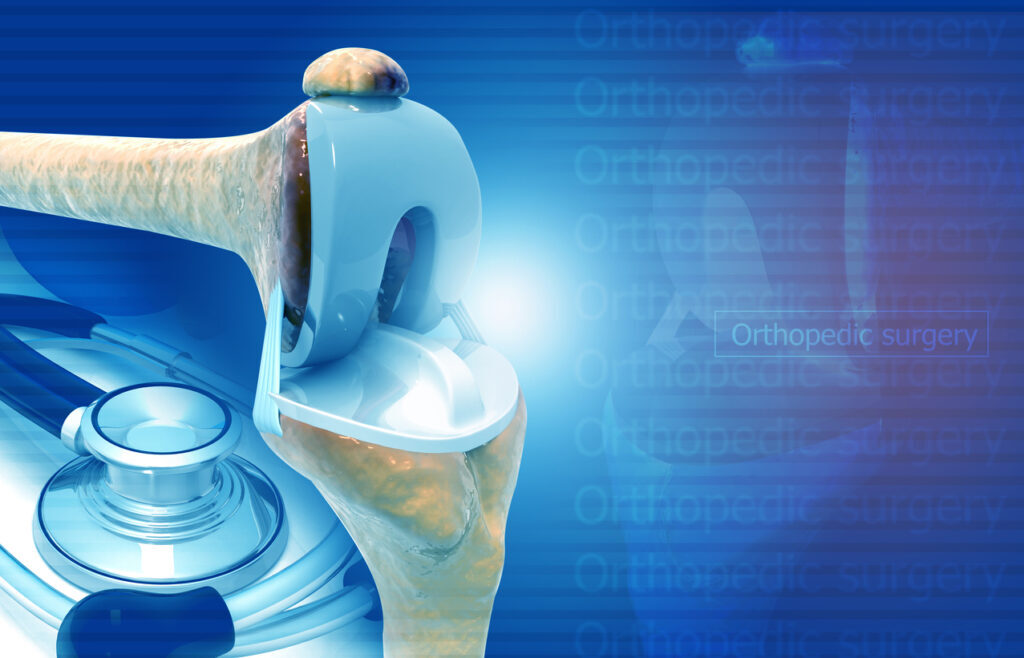
If you’ve recently had a joint replacement and are trying to figure out how long do joint replacements really last, the good news is that there are things you can do to be proactive about increasing the longevity of your joint implant lifespan.
Your joints carry your weight, so it is imperative that you maintain a healthy weight. This does not mean you should go to extreme measures or adopt a diet to be as small as possible, but it does mean you are at an appropriate weight for your height and muscle mass. Being purposeful about fitting fitness into your life after recovery is important to living a long, healthy life in general, and it also benefits your joints.
Always follow your surgeon’s post-surgical advice, prescribed physical therapy, and recovery guidelines as they are intended to help you heal in the best way possible. Maintain regular checkups with your doctor and do your best to stay in good health because it helps all of you, including your joint implant!
Get Expert Advice From Jacksonville Orthopaedic Institute
Before you go under the knife, it’s important to be proactive and get a qualified opinion from a licensed healthcare provider who can personalize your health improvement plan, whether it’s with a joint revision surgery, initial joint replacement surgery, or even a non-surgical option for pain relief. The team of highly trained and specialized orthopedic physicians, surgeons, and physical therapists at Jacksonville Orthopaedic Institute is here to help you. Contact us today for a consultation.