
Graston Technique® is a unique, evidence-based form of instrument-assisted soft tissue mobilization (IASTM) that enables clinicians to effectively address scar tissue, fascial restrictions and range of motion through comprehensive training, resulting in improved patient outcomes. To read more about Graston, please read this Article.
The unique protocol uses specially designed stainless steel instruments, along with appropriate therapeutic exercise, to specifically detect and effectively treat areas exhibiting soft tissue fibrosis or chronic inflammation. The instruments also are used diagnostically to follow the kinetic chain, to locate and treat the cause of the symptom as well as the specific area of pain. GT is also frequently used as an effective protocol to maintain range of motion.
We recognize there are options in the marketplace. However, GT is the originator of IASTM in the manual therapy industry and has perfected the technique during the past 20+ years. With a commitment to very high standards, GT is a strong advocate for proper education. Revision of course materials is constantly occuring to reflect the latest research and industry best practices.
Originally developed by athletes, Graston Technique® is an interdisciplinary treatment used by more than 24,500 clinicians worldwide – including physical and occupational therapists, hand therapists, chiropractors, and athletic trainers. GT is utilized at some 3,042 outpatient facilities and 86 industrial sites, by more than 431 professional and amateur sports organizations, and is part of the curriculum at more than 45 respected colleges and universities.
For the Clinician:
For the Patient:
Worldwide clinicians, elite athletes and everyday patients use Graston Techniqueas an effective treatment for rehabilitation that they trust.
Watch this VIDEO of a Clinician’s Perspective of Graston Technique
Graston Technique® (GT) is a unique, evidence-based form of instrument-assisted soft tissue mobilization that enables clinicians to effectively and efficiently address soft tissue lesions and fascial restrictions resulting in improved patient outcomes.
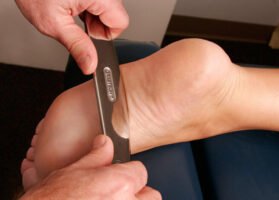
GT uses specially designed stainless steel instruments with unique treatment edges and angles to deliver an effective means of manual therapy. The use of GT instruments, when combined with appropriate therapeutic exercise, leads to the restoration of pain-free movement and function. Additionally, use of the instruments to diagnostically assess the kinetic chain, in an efficient manner using the principles of regional interdependence.
Is Graston Technique® an Evidenced-Based Form of Manual Therapy?
Empirical and anecdotal evidence exists for the following physiological effects of GT:
Scar tissue limits range of motion due its negative impact on sensory motor firing rates and frequencies. Abnormal sensory inputs perpetuate a dysfunctional cycle of nervous system sensitization, pain and dysfunctional movement/motor output. GT offers a positive method of manual therapy that interrupts and breaks this cycle of pain and dysfunctional movement
The tissue may show thickening or irregular organization or less precise margins as compared to non-injured tissues. This results in poor range of motion and pain with functional limitations.
At first, use of GT instruments focus is to enhance the clinician’s ability to detect soft tissue lesions. Scar tissue or fibrosis restrictions in the affected areas can be determined from a comprehensive examination of movement and function. Clinicians use the stainless steel instruments to comb over and “catch” on fibrotic tissue, which immediately identifies the areas of restriction. Upon identifying a restriction, the clinician will use GT to address and treat the abnormal tissue. The combination of GT with appropriate therapeutic exercises and activities, can restore normal motion and decrease pain.
GT is not designed to be painful or cause excessive bruising. Occasionally, as with any form of manual therapy and depending on the patient’s condition, minor discomfort during the procedure and some bruising afterward may be experienced. GT clinicians are trained to recognize these symptoms and adjust treatment intensity to minimize their occurrence, while realizing the benefits of the technique. GT does not need to be considered “painful” to be effective. Please inform your clinician if you are experiencing discomfort anytime during treatment.
No. Whether the treatment is injury specific or applied within a maintenance program, the Graston Technique® protocol is the same. It includes a brief warm-up exercise, Graston Technique® treatment, followed by stretching, strengthening and ice (only when subacute inflammation is of concern).
The clinician can use GT in conjunction with other modalities including laser or electrical muscle stimulation
Depending upon the nature of the injury or maintenance program, patients usually receive 1-2 treatments per week during the span of 4-5 weeks. Most patients have a positive response by the 3rd or 4th treatment. The average number of GT sessions per episode of care averages between 6-12 for more chronic conditions.
Patients who are beyond the acute stages of inflammation and repair. They are encouraged to resume a pain-free level of activity and exercise with the modifications that are determined by a health professional. GT design is to implement with appropriate therapeutic exercises and activities to achieve an ideal outcome.
The concept of cross fiber massage is not new. Graston Technique® principles expand on the works of Dr. James Cyriax, a British orthopedic surgeon. The use of the instruments and protocol has recognition as part of the manual therapy industry for more than 20 years.
Graston Technique® has become standard protocol in many universities and hospital-based outpatient facilities. The technique is common within the professional sports industry by the NBA, NHL, NFL, and Major League Baseball trainers.
To learn more about Direct Access to Physical Therapy without seeing an MD, please read this ARTICLE.
Historically, the Graston Technique® has had positive outcomes in 75-90 percent of all conditions treated. It is equally effective in restoring function to acute and chronic injuries. I can also treat pre- and post-surgical patients to help maintain range of motion.
GT-trained clinicians use GT instruments to effectively and efficiently address soft tissue lesions and fascial restrictions. Therefore, is can treat acute and chronic conditions, including:
Graston Technique® can help to treat any movement system dysfunction that has a soft tissue component.
Graston Technique used by Michael Phelps available at JOI Rehab. Please give us a call to schedule an appointment, 904 858-7045.