
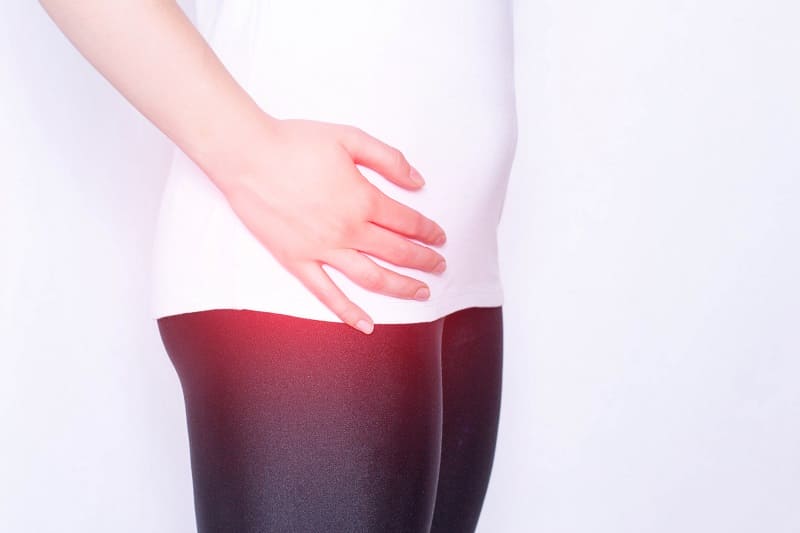
At some point or another, a person is likely to feel hip pain. Whether a person over-exercised or is just getting older, it is a fairly common ailment. However, in cases where the pain persists or other symptoms accompany the pain, it’s important not to ignore it. Understanding why it’s bothering you and knowing what caused the pain will go a long way in determining the appropriate treatment protocol.
Often, hip pain is due to one of two main conditions: osteoarthritis or sciatica. Both conditions cause pain, may lead to diminished mobility, and can have long-term problems if left untreated. Osteoarthritis and sciatica can even occur simultaneously. Having a qualified physician examine you and determine the cause of your discomfort and pain is essential for creating a treatment plan that can relieve your hip pain.
Understanding Osteoarthritis of the Hip
Osteoarthritis is a degenerative joint disease that happens when cartilage inside the joint begins to break down. This can happen as we age or as a result of untreated trauma to the area that affects the cartilage. Those with osteoarthritis may also experience pain in other joints, in addition to hip pain, as it is a joint disease.
When osteoarthritis affects the hip, the cartilage, which is the smooth tissue that covers the hip bone (medically known as the femoral head), begins to degrade. That cartilage helps the hip bone glide inside the pelvis, specifically in the acetabulum or the socket. When it can’t move smoothly, you feel pain.
Who is at Risk for Osteoarthritis?
People most at risk for osteoarthritis are older adults, more commonly women over 50. Those who are overweight put more stress on their joints, which can lead to both osteoarthritis and sciatica. Additionally, individuals who have suffered a past injury are involved in sports that can aggravate the hip joints or that simply require a lot of use. Some individuals may have a genetic predisposition to osteoarthritis or have joints that don’t line up properly, which can cause the condition to flourish.
Common Symptoms of Hip Osteoarthritis
If you are concerned you might have osteoarthritis or sciatica, you may be experiencing pain that simply isn’t going away. Both conditions cause persistent hip pain and discomfort. However, some unique features point to osteoarthritis over sciatica.
With hip osteoarthritis, you may experience pain that gets worse when moving, stiffness that is often worse in the morning or after sitting for long periods, and reduced range of motion. You could have hip osteoarthritis. Additionally, you may be experiencing a clicking noise or grinding sensation coming from that joint. Your pain will likely get worse with weight-bearing activity.
Osteoarthritis and sciatica have a lot of overlapping symptoms, but osteoarthritis has a gradual onset that leads to more pain, limited mobility, and further issues over time. Sciatica is a nerve pain, so the pain associated with sciatica doesn’t necessarily grow or change.
Understanding Sciatica
While hip pain is often related to the joint, as in osteoarthritis, sciatica is pain that stems from the sciatic nerve. The sciatic nerve runs from the base of the spine down the leg. It is often related to back conditions, such as disc herniation or spinal stenosis, or even an injury like a pelvic fracture. Individuals feel pain when the nerve is impacted, whether by a disc pressing on it or the bones in the spine narrowing and pressing on the nerve. Either way, the nerve becomes irritated and inflamed.
Common Symptoms of Sciatica
Sciatica has unique symptoms that are unlike osteoarthritis, though you may feel a general sense of pain or discomfort in the hip area, which can lead to confusion about the source of the pain. Sciatica is a nerve pain that is the result of an irritated or compressed sciatic nerve. It typically does not feel like the dull ache or stiffness that individuals experience with osteoarthritis. Sciatica instead often feels like a sharp, burning, or searing pain that often travels through the buttocks and down the leg. You may experience tingling or numbness in addition to the pain, as well as weakness, and prolonged pain with sitting or standing.
Key Differences Between Osteoarthritis and Sciatica

While osteoarthritis and sciatica have unique pain indicators, some overlapping pain patterns can prove to be confusing for laypeople. By considering where exactly you’re experiencing pain, the kind of pain it is, what makes it worse, and how it came about, you may be able to have a better idea as to whether you’re dealing with osteoarthritis or sciatica.
Location of Pain
With osteoarthritis, pain is deep within the groin or the front of the hip; it is pain that is emanating from the hip socket as the cartilage that allows for smooth movement has become damaged. Sciatica pain often starts in the back, or at the very least, the back of the hip, and radiates through the buttock and down the leg.
Type of Pain
While sciatica pain is often described as sharp, burning, and shooting, osteoarthritis pain is not described in that manner. Unlike sciatica, osteoarthritis pain is stiff, mechanical, and can be described as a dull ache.
What Makes It Worse
Considering what exacerbates pain is a big indicator in determining whether you are suffering from osteoarthritis and sciatica or one or the other. Osteoarthritis is aggravated by walking and bearing weight on the joint, whereas sciatica is aggravated by sitting or standing for prolonged periods.
How did it Start
Additionally, how the hip pain started is a key difference between osteoarthritis and sciatica. Hip pain that begins gradually and gets worse over time is more often linked to osteoarthritis. Conversely, sciatica is a nerve pain that starts suddenly and stays at the same level. It can come on suddenly or after an injury.
Get Your Hips Checked For Osteoarthritis and Sciatica
If your pain is not going away and you’re concerned that you may be suffering from osteoarthritis or sciatica, it’s time to get checked out. Add in increasing limitations, progressive stiffness, numbness, or new symptoms like weakness appearing, and it’s likely there might be a problem. Of course, if there are any emergent symptoms, like loss of bowel or bladder, you need to head to the emergency room.
There are some key differences between the two conditions, but you can leave the diagnosis to the experts at the Jacksonville Orthopaedic Institute. While both conditions are treatable, early intervention and evaluation always lead to a better prognosis. Contact us at JOI today — we’re here to help you and get pain relief from hip pain!