

If you’ve been suffering from joint pain, chronic inflammation and immobility, and even joint failure, you may need or have already undergone joint replacement surgery. Whether the joint is a hip, knee, or shoulder, knowing the expected lifespan of a joint replacement, how and why it can fail, and how to recognize when it’s failing is important for preventing further complications and improving overall patient outcomes. Not only is it important, but it’s also very natural when in that position to wonder about what happens when a patient experiences joint replacement failure.
What Is a Joint Replacement?
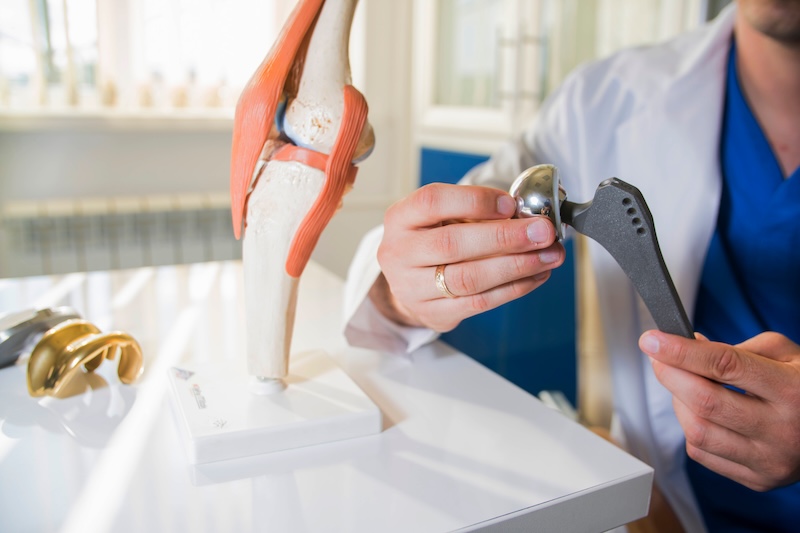
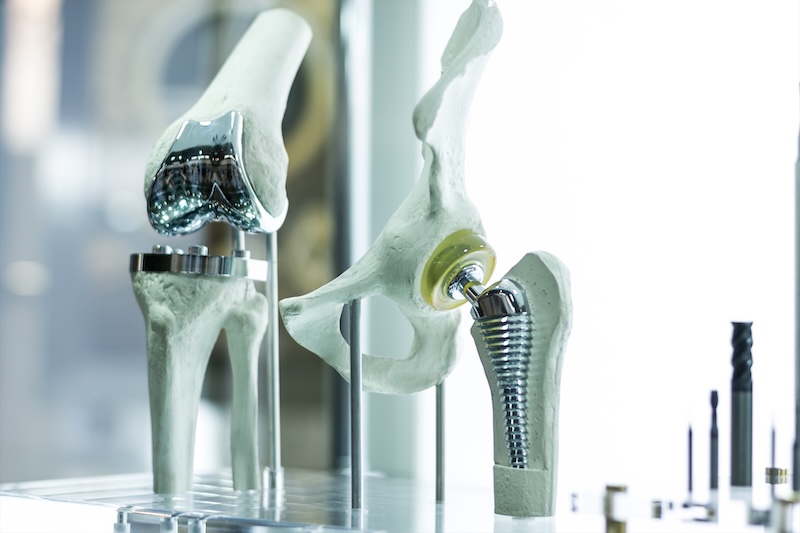
Let’s start with the basics: a joint replacement is exactly what it sounds like. A joint is replaced with a prosthetic joint, often made from some combination of metal, plastic, and ceramic components. In surgery, an orthopedic surgeon will take out the failing joint and replace it with a prosthetic joint.
Sometimes, joint replacements fail, or patients may experience their implant loosening. There are several reasons this can happen, and in those cases, revision surgery may be necessary to repair the failing component or replace it altogether.
Purpose of Joint Replacement Surgery
When traditional orthopedic treatments fail, joint replacement surgery may be recommended. The purpose of a joint replacement surgery is to relieve chronic pain, immobility, and malfunction, or even complete joint failure in some cases. This surgery is commonly done on hips, knees, and shoulders, though some may even have parts of their spine replaced!
How Long Do Joint Replacements Typically Last?
Modern joint implants last much longer than they used to, often lasting 15 to 25 years or longer. There are a number of factors that will impact the implant’s longevity, such as a person’s age and activity level, their overall health, and whether they are a healthy weight, as well as the implant type and surgical technique, and how well the individual healed following surgery. Premature joint replacement failure often results from infection.
Common Reasons Joint Replacements Fail
Joint replacement failure can happen, and there are a number of causes that are highly dependent upon the individual, the prosthetic, and surgical success.
1. Wear and Tear Over Time
Joint replacements aren’t intended to last forever, even though modern joint replacements are lasting longer than before, thanks to new advances in prosthetic technology. Unfortunately, over time, the implant materials can break down, whether due to friction between components or to simple deterioration with use.
The normal breakdown of a joint replacement can be exacerbated by high-impact activities, such as those that can occur with certain sports. Additionally, if an individual puts more stress on their joint than normal, whether due to being overweight, overuse, or other factors, like not following post-surgical instructions, it can speed up wear and tear, resulting in a joint replacement failure.
2. Implant Loosening
Implant loosening can occur if an individual experiences bone loss around the implant. This can be caused by a biological reaction called osteolysis, in which the bone breaks down around the implant, causing it to no longer fit properly.
Other reasons why implant loosening could happen include natural wear over time, issues with the prosthetic materials, or infection. Signs of a loose implant include pain, instability, reduced function, noises like clicking or grinding, swelling, and pain.
3. Infection
Unfortunately, infection is the main cause of joint replacement failure. Infections can develop during surgery or even years later. Signs of infection include swelling, redness, pain, and fever. If you suspect an infection in your joint, you must seek prompt medical attention to prevent further damage to the joint or complications, such as bloodstream infections.
4. Other Causes of Joint Replacement Failure
While infection is the most common reason for joint replacement failure, there are several other reasons why a joint could fail. There could be issues with the implant itself, including mechanical failure. Additionally, a traumatic injury can, of course, impact the functionality of an implant. Unrelated illness or rare complications are other possibilities. If you undergo a joint replacement surgery, your physician will review all possibilities and the likelihood that you could experience them before you go under the knife.
Warning Signs a Joint Replacement May Be Failing
If you’re experiencing chronic, increasing pain after years of relief, there may be a problem with your joint or even joint replacement failure. Some other tell-tale warning signs of failure or implant loosening include swelling, stiffness, clicking, and grinding, especially when coupled with instability, difficulty moving, and reduced range of motion or immobility. If you’re experiencing any of these warning signs, it is highly recommended that you see a qualified orthopedic doctor to see if you have a joint replacement failure.
How Orthopedic Specialists Diagnose Joint Replacement Failure
Determining whether your joint has failed will require a complete evaluation, likely including imaging and lab tests. Your doctor will evaluate your joint mobility in person, physically examining movement and pain level. Lab testing will likely be ordered to determine whether an infection is present, which by itself can cause joint replacement failure.
Imaging is also an important diagnostic element because it gives orthopedic doctors a true inside look at what’s going on with your joint. This may include X-rays, CT scans, and/or MRIs to understand what’s happening. X-rays and CT scans will give your doctor a complete picture of what’s going on with the bones, whereas the MRI will give them a good view of the tissues.
When to See an Orthopedic Specialist
If you’ve noticed sudden instability or are experiencing persistent pain or swelling that impacts your daily activities, it is time to consult a professional. On the flip side, if you’ve already had your joint replaced but feel implant loosening or new joint pain after surgery, it’s time to get back to the doctor. Joint replacements are highly successful, but they are not immune to complications, which sometimes do not surface until much later. No matter the case, early intervention is always the key to the best, most positive outcome.
Whether it’s been years since you’ve had surgery or you’ve recently begun noticing problems, you should schedule an appointment. Contact Jacksonville Orthopaedic Institute today for a consultation and joint evaluation!