
Whether you’re a college athlete, playing sports recreationally, or the parent of an athlete, it’s imperative to recognize that sports injury prevention is equally as important as learning the sport itself. By prioritizing your health and athletic conditioning, you’ll extend the lifespan of your joints, prevent long-term complications, protect your overall health, and perform at your best.
Preventing sports injuries is more than simple warm-up routines. Athletes and those simply playing sports for fun should take a proactive approach to the season. While this includes practicing warm-ups, cool-downs, and preseason conditioning, it also involves using proper equipment and technique, implementing hydration and nutrition strategies, and staying in tune with your body.
Why Preseason Injury Prevention Matters
Sports injury prevention isn’t just about paying attention during the season — preseason actions set athletes up for success and can have just as big an impact on their health and their joints.
Sports Injuries Happen
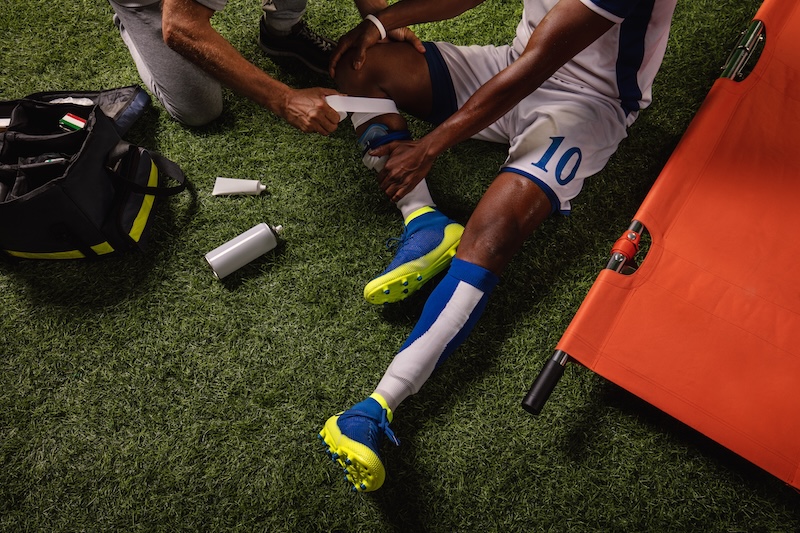
For youth sports participants and adult athletes alike, the possibility of injury while playing is real. That’s why it’s so important to practice sports injury prevention.
For kids, injuries aren’t a rare occurrence, although most injuries are strains and sprains, thankfully. In the U.S., it’s estimated that nearly 8 million high school students play sports — and 90 percent of them experience an injury at some point. Adults don’t fare much better, with fractures and increased odds of hospitalization common, especially as the rise of sports like pickleball and golf draws more participants.
These statistics demonstrate that it’s more important than ever to be proactive with athletic conditioning. By taking the extra steps of including warm-up routines and cool-downs, along with other preventive measures, you can do your part to prevent serious injury.
The Cost of Ignoring Early Warning Signs
By not paying attention to your body and not actively implementing sports injury prevention plans, injuries are not just possible; they’re likely. This can result in missed games, longer recovery times, and an increased risk for chronic conditions — not to mention the medical bills and mental toll that injuries can take on a person.
Common Sports Injuries
Sports injuries are somewhat predictable, and it’s also why some orthopedics specialize in sports medicine. Sports injuries typically include sprains and strains, overuse injuries, and joint and ligament injuries. You can potentially avoid the pain of injuring yourself when playing sports by practicing sports injury prevention.
Sprains and Strains
Chances are, you’ve experienced a strain or a sprain at some point in your life. You may experience pain, some swelling, and even some bruising, depending on how severe the sprain or strain is. Sprains and strains are different — sprains typically involve overstretching and tearing the tissue that connects bones and joints, whereas strains involve overstretching or tearing the muscle.
Common sites of sprains and strains include ankles, knees, hamstrings, and shoulders. However, someone could strain or sprain other joints, including their wrists, elbows, or other joints — they just aren’t quite as common.
Overuse Injuries
Overuse injuries like tendonitis, stress fractures, and shin splints commonly occur when athletes don’t give themselves enough time to rest and recover. Repeated stress on muscles, joints, and bones can be painful and will recur if not allowed to heal.
Joint and Ligament Injuries
Joint and ligament injuries like ACL or MCL tears, rotator cuff injuries, or other injuries to the meniscus are serious and can require surgery. These commonly occur when athletes exert short bursts of movement, twisting, pivoting, or changing direction rapidly.
Sports Injury Prevention Tip: Start Conditioning Before the Season
By making sure you’re in the best shape and athletic condition before the season begins, you’ll put less stress on your body, potentially lessening your propensity for injury.
Build Strength Gradually
Strength training is important for nearly every sport because it ensures you have the baseline needed to avoid injury, whether on the field, court, or track. Additionally, there are sport-specific conditioning exercises you should practice to prepare your muscles and joints for that movement.
Improve Flexibility and Mobility
Working to improve your flexibility and mobility is a huge part of sports injury prevention. With dynamic stretching and mobility exercises, your body is better able to handle the stress that sports can put on the joints.
Increase Endurance Safely
While it is important to work on your strength, flexibility, cardiovascular health, and oxygen consumption, these should be implemented gradually. Doing too much too soon in the preseason can do as much damage as beginning the season without any athletic conditioning.
2. Never Skip Warm-up Routines and Cooldowns
Another great sports injury prevention tip is to always incorporate warm-up routines and proper cool-downs each time you work out and play your sport. Dynamic warm-up routines effectively warm up your muscles and joints, so they move smoothly. Proper cooldowns include stretching and recovery work (massage, foam rolling, ice/heat or compression therapy, and more).
3. Wear the Right Equipment
Wearing the right equipment also matters when you’re playing your sport. Not having properly fitting protective gear could put more stress on your muscles and joints than you may realize. For example, if you’re a track athlete, having proper shoes is non-negotiable because it supports your feet, ankles, knees, and even your hips! It should also be replaced when there are signs of wear or breakdown.
4. Focus on Proper Technique
Having good form means you’re using your muscles and joints in a way that won’t harm them. Being lazy about form or not knowing the proper technique could put you at risk for overstressing your joints and muscles. Proper form and technique are a crucial part of sports injury prevention.
Additionally, athletes benefit from rest days. Every professional incorporates them into their schedule, and you should be no different. If you’re never resting, you’re going to burn out, not just mentally, but physically as well.
5. Stay Hydrated and Maintain Good Nutrition
Hydration is critical for maintaining stamina and endurance and for avoiding muscle cramps, which can lead to injury. Athletes should never overlook hydration, as it helps keep their bodies running. Similarly, proper nutrition that fuels an athlete’s body is part of maintaining good athletic condition. Without adequate fuel, your performance will suffer.
How Orthopedic Specialists Help Prevent Sports Injuries
Many people only think of consulting an orthopedic specialist after they’ve suffered an injury. However, orthopedic specialists can help athletes with sports injury prevention.
A sports medicine doctor can evaluate your strength and mobility to determine areas that need to be improved for better joint and muscular health during the season. Additionally, they can assess prior injuries and guide avoiding exacerbation of those injuries. Preseason evaluations help give athletes the direction they need to succeed.
Protect Your Body with Sports Injury Prevention
Practicing sports injury prevention can help you stay in the game, excel, and enjoy many years of fun and competition. It’s why many athletes prioritize injury prevention and make sure they’re in peak athletic condition before the season begins. If you’d like to get ahead of the game, contact Jacksonville Orthopaedic Institute today to schedule a preseason orthopedic evaluation or sports medicine consult!