


If you have been experiencing discomfort or pain in your wrist or hands, you are not alone. Many people experience wrist pain, but understanding its causes and distinguishing between carpal tunnel and arthritis is key to finding the right treatment plan for your condition. Though both can lead to similar symptoms, carpal tunnel and arthritis have two distinct causes and treatments.
What is Carpal Tunnel Syndrome?
Carpal Tunnel Syndrome (CTS) is a condition that affects the median nerve that runs down the forearm, all the way to the palm of your hand. The nerve passes through the carpal tunnel, a narrow passageway of ligaments and bone located in each wrist. When this tunnel is compressed, the median nerve can be pinched, causing discomfort, pain, tingling, numbness, and weakness in the hand and wrist. This is often caused by representative hand movements or swelling.
Common Symptoms of Carpal Tunnel Syndrome
Here are a few common symptoms that can help differentiate carpal tunnel vs. arthritis:
- Tingling or numbness in the thumbs, index, middle, and part of the ring finger.
- Pain that worsens at night, especially after prolonged wrist use.
- Weakness in the hand that makes gripping difficult.
- Swelling and pain that improve with massaging or shaking the hand.
- Nerve compression symptoms that worsen with repetitive activities like typing or using a mouse
Risk Factors for Carpal Tunnel Syndrome
Several factors can lead to an increase in the likelihood of developing CTS:
- Repetitive wrist movements typically result from daily activities such as typing.
- Pregnancy can lead to fluid retention, putting more pressure on the median nerve.
- Obesity can contribute to inflammation and compression in the carpal tunnel.
- Underlying health conditions, such as diabetes, can increase the risk of nerve damage.
How is Carpal Tunnel Diagnosed?
Your healthcare provider may begin by performing a physical examination, assessing your symptoms, and performing tests (such as the Phalen’s test or Tinel’s sign) to check for nerve compression. In some cases, other studies, such as electromyography (EMG) or nerve conduction studies, may be ordered to confirm the diagnosis or assess severity.
What is Arthritis?
Arthritis is a broad spectrum of conditions that cause joint inflammation and pain in or near the joints. There are more than 100 types of arthritis, but the most common are rheumatoid arthritis (RA) and osteoarthritis (OA).
Both types of arthritis can affect the wrist joints, leading to joint inflammation, discomfort, and pain. Symptoms are often confused with CTS.
Types of Arthritis That Affect The Wrist
- Rheumatoid Arthritis (RA): An autoimmune condition in which the immune system attacks the joints, causing joint inflammation, pain, and, in severe cases, deformity.
- Osteoarthritis (OA): Unlike RA, osteoarthritis is a degenerative joint disease characterized by the breakdown of joint cartilage over time. OA can affect the wrist, leading to stiffness, pain, and reduced range of motion.
- Post-Traumatic Arthritis: This condition develops after a wrist injury, resulting in chronic joint pain and stiffness.
Common Symptoms of Arthritis in the Wrist
Arthritis in the wrist is primarily characterized by joint inflammation, unlike CTS. Here are a few key symptoms:
- Pain in the wrist that worsens after prolonged activity.
- Swelling or visible deformities near the joint.
- Stiffness and limited wrist mobility make it difficult to bend or twist.
- Warmth around the joint, typically seen in RA cases.
- Morning stiffness that lasts for more than 30 minutes.
Risk Factors for Arthritis in the Wrist
Arthritis may be more likely depending on:
- Age: As you get older, osteoarthritis becomes more common.
- Genetics, especially with rheumatoid arthritis.
- Joint injuries or a previous trauma can lead to arthritis later down the line.
- Gender, as women are more likely to develop arthritis.
- Obesity can put strain on the joints.
How is Arthritis Diagnosed?
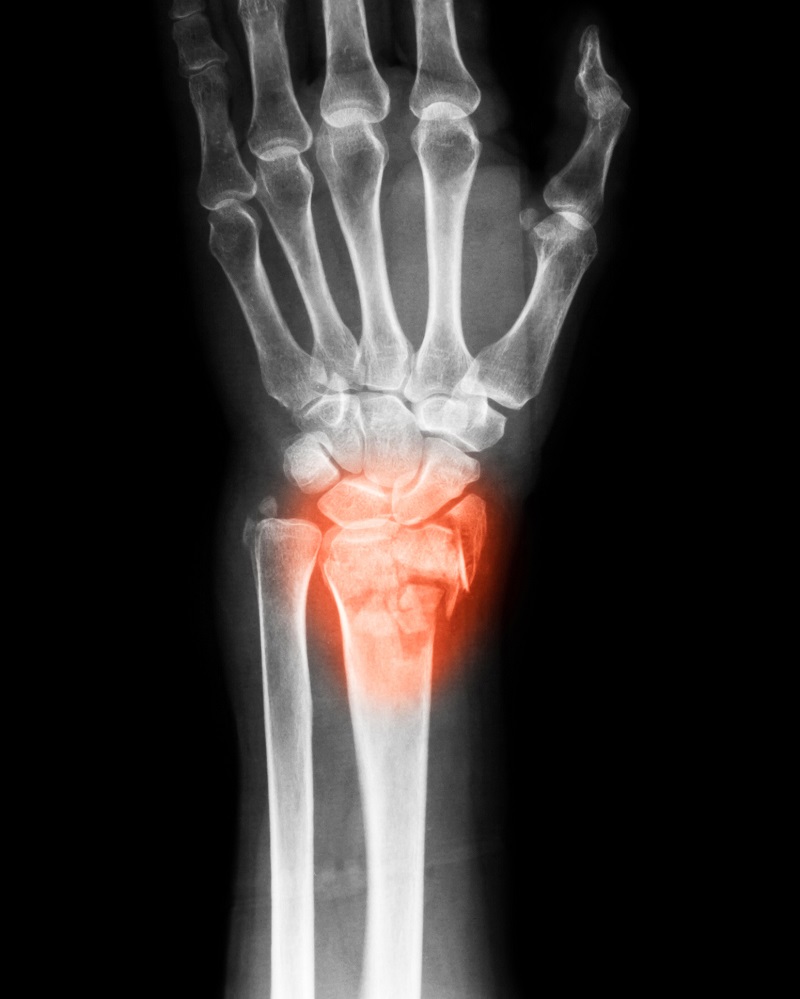
Arthritis can be diagnosed through a physical exam and imaging studies like X-rays or MRI scans. Blood tests can help confirm the type of arthritis by detecting antibodies.
Carpal Tunnel VS. Arthritis: Key Differences
While both conditions can cause wrist pain, their symptoms, causes, and treatments differ. Here’s how to tell the two apart:
- Location of Pain
- Carpal Tunnel: The pain, tingling, and numbness associated with CTS typically affects the palms, thumb, index finger, and middle finger.
- Arthritis: On the other hand, arthritis affects the joints themselves. In the wrist, this means the pain is typically over the joint and may radiate up the forearm or down to the hand.
- Symptom Timing
- Carpal Tunnel: The pain in CTS often worsens at night and can wake you up from sleep. It also tends to flare up after repetitive wrist activities.
- Arthritis: Arthritis pain is usually more constant, especially if joint inflammation is present. Morning stiffness is also a common symptom in those with this condition. Pain may increase after overuse or periods of inactivity.
- Type of Pain
- Carpal Tunnel: CTS pain is typically described as sharp or burning and may also cause tingling or numbness due to nerve compression.
- Arthritis: Pain from arthritis is typically more achy or dull and is often accompanied by joint stiffness.
- Joint Changes
- Carpal Tunnel: In general, there are no visible changes to the joint when CTS is present. CTS is more nerve compression rather than inflammation or damage to the joint itself.
- Arthritis: It can cause visible joint changes, such as swelling, deformities, or reduced range of motion. In severe, long-term cases, joint damage or bony growths may be seen on imaging studies.
Carpal Tunnel vs Arthritis: Quick Comparison
| Feature | Carpal Tunnel Syndrome | Arthritis |
| Cause | Median nerve compression | Joint inflammation or cartilage breakdown |
| Pain Type | Burning, tingling, numbness | Achy, stiff, swollen |
| Location | Thumb, index, middle fingers | Wrist joint itself |
| Worse At | Night, repetitive activity | Morning, after inactivity |
| Visible Swelling | Rare | Common |
| Diagnostic Tests | EMG, nerve conduction study | X-ray, MRI, blood tests |
Jacksonville Orthopaedic Institute
If you have symptoms similar to carpal tunnel or arthritis, contact Jacksonville Orthopaedic Institute today. JOI offers physicians who specialize in CTS and arthritis conditions. JOI continues to offer online new-patient appointments as an additional convenience, with shorter phone hold times. Follow the link to schedule online with a JOI physician.