

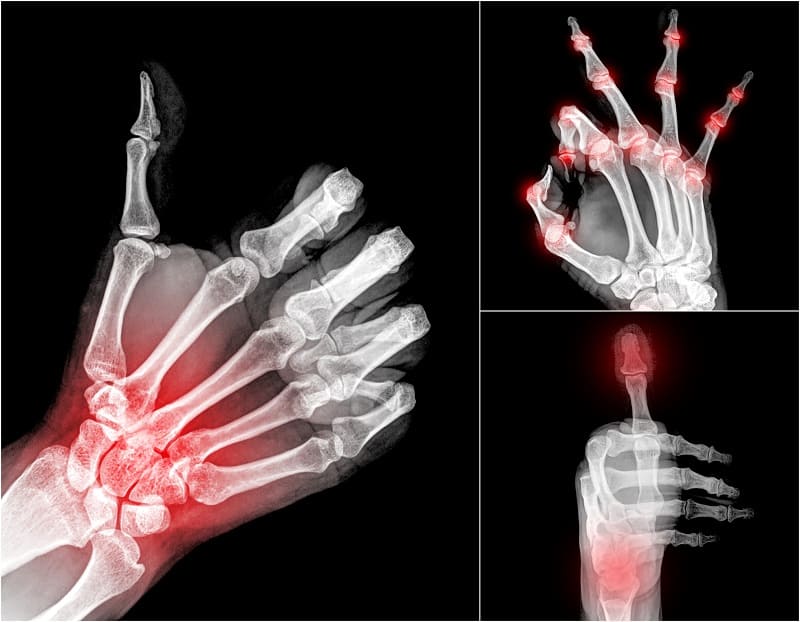
The term “arthritis” refers to inflammation of the joint, but it encompasses over 100 different types of disorders affecting the joints. Osteoarthritis (OA) and rheumatoid arthritis (RA) are the two most common but misunderstood forms. While both conditions affect the joints and can lead to pain, stiffness, and reduced mobility, they are different in their causes, progression, and treatment plans.
Osteoarthritis vs. Rheumatoid Arthritis: What is OA?
Osteoarthritis is the most common form of arthritis and is often referred to as “wear and tear” arthritis. OA occurs when the protective cartilage that cushions the ends of bones wears down over time. This leads to pain, swelling, and a limited range of motion in the joint.
Key Characteristics:
- Degenerative and progressive deterioration of joint cartilage.
- Typically found in older adults.
- Commonly found in weight-bearing joints like the knees, hips, spine, and hands.
Osteoarthritis vs. Rheumatoid Arthritis: What is RA?
Rheumatoid arthritis is an autoimmune disease. RA occurs when the immune system attacks the body’s own tissues; in this case, it targets the synovium. The synovium is the lining of the membrane that surrounds the joints. RA causes painful inflammation that can lead to joint damage and deformity if not addressed.
Key Characteristics:
- Inflammatory autoimmune disease.
- It can occur at any age, from children to the elderly.
- Usually affects smaller joints like the fingers, wrist, and toes at first.
- It can affect organs like the lungs, eyes, skin, and heart.
Comparing Symptoms: Osteoarthritis vs. Rheumatoid Arthritis
While both conditions fall under the “arthritis” umbrella, the symptoms and patterns vary.
| Osteoarthritis | Rheumatoid Arthritis |
| Worsens with activity and tends to improve with rest. | Worsens after rest and improves with use and movement. |
| Morning stiffness (usually lasts less than 30 minutes). | Morning stiffness (Typically longer than an hour). |
| Localized joint swelling due to bone spurs and cartilage breakdown. | Diffuse joint swelling due to inflammation. |
| Joint pain is often asymmetrical. | Joint pain is typically symmetrical (same joints on both sides). |
| Joint deformity may occur over time. | Joint deformity is more likely with RA and happens earlier without proper treatment. |
Osteoarthritis vs. Rheumatoid Arthritis: Causes and Risk Factors

Osteoarthritis Causes:
OA is typically caused by stress on the joints and the natural aging process. Over time, cartilage experiences wear and tear, leading to breakdown and bone-on-bone friction.
Risk Factors Include:
- Age (50+)
- Joint injury or overuse
- Obesity
- Genetics
- Repetitive motion
- Bone deformities
Rheumatoid Arthritis Causes:
RA is an autoimmune condition where the exact cause is not fully understood. A combination of genetics, environmental factors, and hormonal factors is likely a contributor to RA.
Risk Factors Include:
- The female gender is 3x more likely to be diagnosed with RA than men.
- Age (30-60)
- Family history of RA
- Smoking
- Obesity
- Infections or environmental exposures
Diagnosis of Osteoarthritis and Rheumatoid Arthritis: How Doctors Tell the Difference
Receiving an accurate diagnosis is crucial because treatment varies significantly between OA and RA.
Diagnostic Tools Used for Both OA and RA:
- Medical history and physical exam
- X-rays to show joint damage or bony changes
- Imaging tools like MRI or ultrasound to assess soft tissue
- Blood tests (especially for RA)
RA-Specific
- Rheumatoid Factor (RF)
- Anti-CCP antibodies
- Erythrocyte Sedimentation Rate (ESR)
- C-Reactive Protein (CRP)
Blood markers help indicate systemic inflammation and autoimmune activity like RA.
Osteoarthritis vs. Rheumatoid Arthritis: Treatment Options
Since OA and RA have different underlying issues, treatments vary significantly between the two.
Osteoarthritis Treatment:
When diagnosed with OA, the focus is to reduce pain, maintain joint function, and slow the progression.
Non-Pharmacological Treatments:
- Weight loss relieves pressure on joints.
- Physical therapy will help strengthen muscles and improve mobility.
- Exercise and low-impact activities like swimming and walking.
- Heat/cold therapy.
Medications:
- Acetaminophen helps with mild pain.
- NSAIDs
- Topical analgesics.
- Corticosteroid injections give short-term relief.
Advanced Options:
- Viscosupplementation: Hyaluronic acid injections are used for the knees.
- Surgery options like joint replacement.
Rheumatoid Arthritis Treatment:
Since RA is an autoimmune disease, early and aggressive treatment is key to help prevent joint damage and organ involvement.
Medications:
- NSAIDs and steroids are used for inflammation and pain.
- DMARDs (Disease-Modifying Antirheumatic Drugs) like methotrexate.
- Biologic agents help target specific immune system components.
- JAK inhibitors are a newer oral medication used to target immune pathways.
Non-Pharmacological:
- Physical and Occupational Therapy
- Lifestyle changes like quitting smoking and an anti-inflammatory diet.
- Stress management
Surgical Options:
- Synovectomy: The removal of the inflamed joint lining.
- Joint Replacement Surgery: Used for severe cases of joint damage.
Lifestyle Modifications for Both OA and RA:
- Staying active and doing regular movement helps maintain flexibility and strength.
- Weight loss or gain to achieve a healthy weight will reduce joint stress.
- A balanced diet with anti-inflammatory foods.
- Use joint protection techniques with assistive devices and avoid high-impact activities.
- Incorporate mind-body practices like yoga or meditation to reduce stress and ease pain.
Osteoarthritis vs. Rheumatoid Arthritis: Prognosis and Long-Term Outlook
OA:
OA is a chronic and progressive condition with symptoms that can often be managed with lifestyle changes and medications. In some cases, physicians may recommend joint replacement surgery for long-term relief.
RA:
RA is also chronic, but with early diagnosis and proper treatment, many patients can reach remission or low disease activity. However, if left untreated, RA can lead to permanent joint damage or even disability.
Key Takeaways:
- Osteoarthritis is a degenerative joint disease caused mainly due to aging and wear-and-tear.
- Rheumatoid Arthritis is an autoimmune disease that causes inflammation and joint damage.
- While both are termed “arthritis: and can lead to joint pain and stiffness, their causes, symptoms, and treatments vary significantly.
- Early diagnosis and treatments tailored specifically to you are critical in preserving joint function for both OA and RA.
When To See A Doctor
If you experience persistent joint pain, morning stiffness, or swelling, don’t ignore it. For both OA and RA, early intervention not only helps slow progression but also improves long-term outcomes. Rheumatologists specialize in diagnosing and treating arthritis. Speak to a physician to see what treatment options work best for your condition.
Book an Appointment with the Jacksonville Orthopedic Institute Today!
JOI Physicians continue to offer new online patient appointments. This is a convenient option to make new patient appointments with shorter phone hold times. Contact us today to discuss treatment options for osteoarthritis or rheumatoid arthritis.