
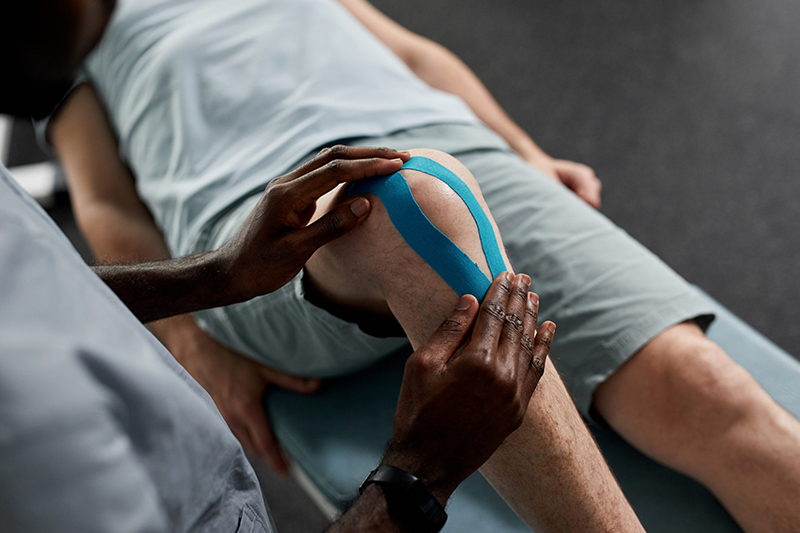
Most people don’t realize how much they rely on their knees to get around until it is causing them pain. Knee pain can significantly impact daily activities and mobility, including how an individual gets up from a chair, navigates stairs, and even simply walks. And, it’s one of the most common sources of body pain, second only to back pain.
If you’ve experienced issues with your knees and getting around, chances are you may have encountered a suggestion of physical therapy for knee pain. Physical therapy for knee pain can be a great proactive, non-surgical way to relieve pain, build support around the joint, and identify correctable issues before they become major problems.
Understanding Knee Pain
Not all knee pain indicates the same problem, and in fact, knee pain does not necessarily indicate an underlying problem. In some cases, knee pain may simply be a result of overuse. However, in other cases, there may be ligament injuries, tendon inflammation, muscle imbalances, or other problems. Because the reason for knee pain can vary, it is always important to have your knee evaluated, and a physical therapist can help do that. Not properly addressing a knee injury could result in further complications or additional injuries.
How Physical Therapy Helps Prevent Knee Injuries
Physical therapy is a great way to help restore a person’s physical capabilities. It doesn’t have to be only for instances where people have been immobilized; it can be for people who naturally weren’t moving in a way that worked well. There are a myriad of benefits to physical therapy, especially when it comes to physical therapy for knee pain.
Improves Strength
Physical therapy helps to gradually strengthen the muscles that support the knee, which include the quads, hamstrings, glutes, and calves. By having your knee fully supported by the muscles surrounding it, your knee, its ligaments and tendons won’t have to work as hard to support your body. Ultimately, this reduces stress on the knee joint. Exercise is actually one of the core treatments for osteoarthritis, according to guidelines available from the Osteoarthritis Research Society International, the American Academy of Orthopedic Surgeons, and the National Institute for Health and Clinical Excellence
Enhances Flexibility and Mobility
Your range of motion often improves with physical therapy for knee pain. You may not have been able to touch your toes or squat completely, but physical therapy can help with that. You may also feel a reduction in muscle stiffness and tightness that prevent you from moving as freely as you should. That same stiffness and tightness can also contribute to future injuries.
Improves Balance and Stability
Having a knowledgeable physical therapist can make all the difference, guiding you toward the right rehabilitation exercises to aid in knee injury prevention. Physical therapy for knee pain can help build up the support, which means you will experience improved balance and stability. This can also reduce your fall risk, further preventing injury.
Corrects Movement Patterns
Everyone moves differently, but there is a “correct” movement pattern that will contribute to better overall physical fitness. You may not even realize how you’re moving, but a physical therapist can help address improper walking, running, and lifting mechanics. This will help you begin moving in a way that is safe and prevents stress injuries.
Supports Safe Return to Activity
Especially if you experienced an injury that put you out of commission for a while, physical therapy is a must. Orthopedic therapy is an integral part of sports medicine because it makes such a meaningful impact on recovery. Physical therapy for knee pain not only helps resolve minor issues and restore strength after a period of inactivity (such as surgery) but also goes a long way toward preventing knee injuries. This way, when you’re ready to get back to being active, you won’t be as likely to reinjure yourself.
When to Consider Physical Therapy
If you’re suffering from persistent or recurring knee pain, you may want to consider physical therapy. It can help strengthen the muscles that support your knee and help ensure you’re moving in a way that won’t further harm your joints. This extra support may help resolve some of the pain and stiffness you’ve experienced.
Additionally, those who are experiencing trouble getting around, like difficulty walking, climbing, or exercising, can generally benefit from physical therapy for knee pain and knee injury prevention. That stiffness and immobility may just be a result of needing to get moving but in a way that is safe and controlled. A physical therapist will create the right environment for that.
Finally, those who have undergone surgery will absolutely benefit from physical therapy for knee pain — and in fact, it is almost always part of the recovery plan. Physical therapy plays an important role in healthy, strong recovery and in preventing reinjury.
Tips for Keeping Your Knees Healthy
While you’re waiting for your scheduled physical therapy appointment or you’re still considering whether you need physical therapy for knee pain, these tips can help keep your knees healthy.
When it comes to exercise, having a regular exercise routine is important, but you shouldn’t work out cold. Always warm up before jumping into a heavy workout. While many believe that working out will keep them at a healthy weight, it is important to realize that a healthy diet must be followed to do so, and keeping extra weight off your joints will help keep them healthy for the future. Wear proper footwear, too – you may need a custom fitting!
Overall, it’s important to stay on top of knee pain and not let it go too long without evaluation. Addressing knee pain early rather than waiting for your condition to worsen could mean the difference between nonsurgical and surgical treatment options, as well as osteoarthritis down the road.
See if Physical Therapy For Knee Pain Can Help You
Choosing physical therapy for knee pain is a great proactive approach that can not only solve problems but also play a massive role in knee injury prevention. The knowledge, strength, mobility, and balance that physical therapy can help achieve can make a huge difference in an individual’s life. Contact Jacksonville Orthopaedic Institute today to get a physical therapy consultation on your knee.