
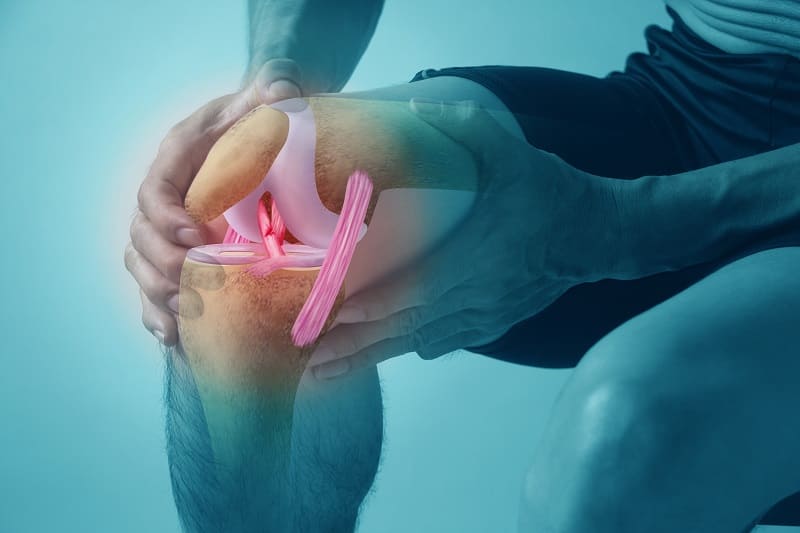
An Anterior Cruciate Ligament (ACL) injury is often a major setback for athletes and active individuals. Once the pain subsides or surgery is complete, ACL injury prevention becomes a key focus of the recovery process. Preventing re-injury is one of the most critical and challenging goals, and physical therapy plays a vital role. Whether the injury occurred through sports, exercise, or an unexpected incident, recovery doesn’t end once pain has subsided or surgery is complete.
This is why physical therapy plays a major role in ACL injury prevention. Physical therapy will help you restore strength, movement control, and confidence while reducing the risk of a second injury.
Understanding ACL Injuries and Re-Injury Risk
The ACL is one of the main ligaments that stabilize the knee joint. It helps maintain forward movement and stability, especially during cutting, pivoting, and jumping, which are common in most sports and exercises.
After an ACL injury, the knee is left vulnerable. Research has shown that individuals who return to sports and exercise too soon or without proper rehabilitation face a significantly higher risk of re-injury.
A second injury often occurs because:
- Strength has not been restored fully.
- Movement patterns are incorrect.
- Compromised knee stability.
- Loss of neuromuscular control.
Physical therapy addresses all of these factors, tailored to your case, to ensure knee stability before returning to normal activity.
Why Physical Therapy is Essential for ACL Injury Prevention
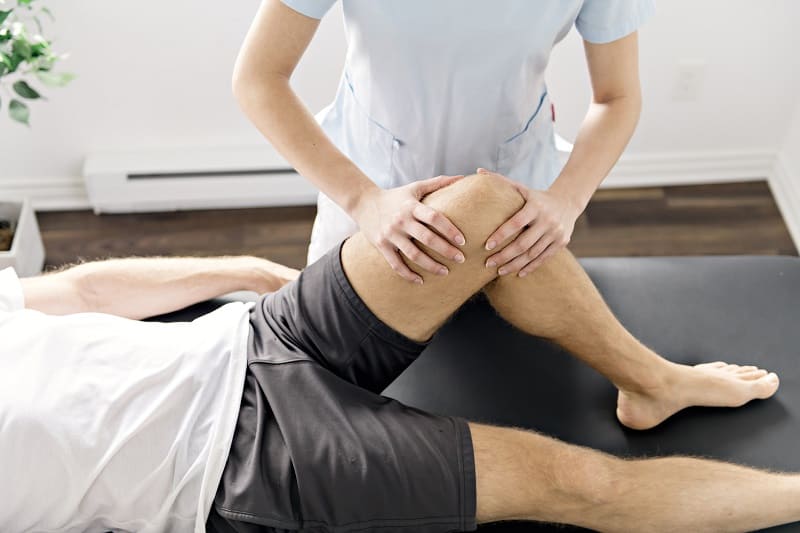
Physical therapy focuses on both healing and prevention. A rehab program will focus on rebuilding the knee’s ability to withstand stress safely.
Key goals of physical therapy for ACL injury prevention include:
- Restoring strength and muscle.
- Improving knee stability.
- Correcting form and movement mechanics.
- Enhancing balance with coordination.
Without physical therapy, these elements may not be restored to their full potential, increasing the risk of re-injury, especially for athletes.
Restoring Strength Through ACL Rehab Exercises
One of the most common causes of ACL reinjury is muscle weakness. After an ACL tear, the quadriceps, hamstrings, and hip muscles weaken due to inactivity, swelling, and altered movement patterns.
Targeted Muscle Strengthening
Physical therapists design ACL rehabilitation exercises to restore lower-body strength. Here are a few examples of exercises you may do at physical therapy:
- Quadriceps strengthening for knee control.
- Hamstring exercises to protect the ACL.
- Glute and hip strengthening to reduce knee strain.
Working different muscle groups will help stabilize the knee during dynamic movements and reduce stress on the ligament.
A key advantage of physical therapy is its ability to progress. At the beginning, you may be heavily limited, but as you progress through the program, exercises gradually increase in difficulty to ensure knee stability and muscle strengthening, helping you return fully to activities.
Improving Knee Stability and Joint Control
Knee stability is more than just ligament strength; it also includes the joint, muscles, and nervous system.
Proprioception and Balance Training
Proprioception is the body’s ability to sense joint position, and after an ACL injury, it is often impaired. Physical therapy will focus on balance and coordination to restore this system.
Common techniques:
- Single-leg balance drills.
- Stability training (on uneven surfaces).
- Controlled landing and deceleration exercises.
As proprioception improves, knee stability will increase, reducing movements that could lead to ACL reinjury.
Neuromuscular Training
Neuromuscular training teaches the body to move more efficiently and safely. This is essential for preventing ACL injuries, especially among athletes.
By retraining movement patterns, physical therapy reduces mechanics that commonly lead to ACL tears.
Correcting Faulty Movement Patterns
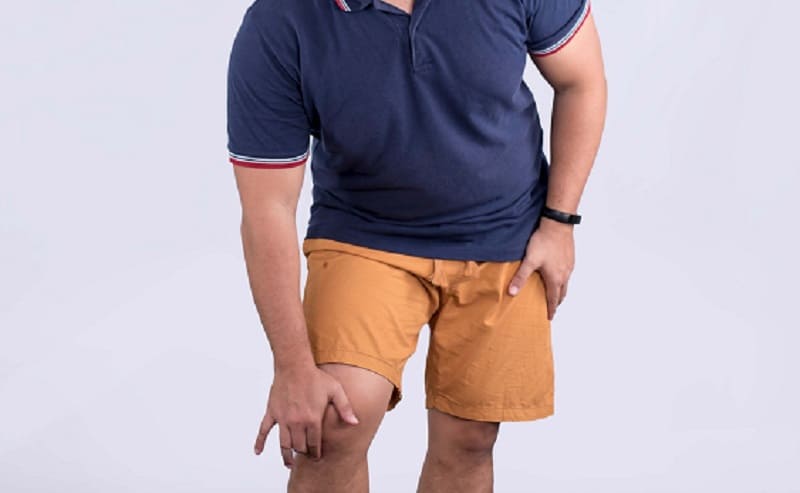
Many ACL injuries and re-injuries are from faulty movement patterns.
High-Risk Movements
Physical therapists closely analyze how you:
- Jump and land.
- Pivot and cut.
- Accelerate and decelerate.
Improper knee alignment, excessive knee collapse, or poor control can place stress on the ACL. Physical therapists aim to help patients develop safer movement patterns to prevent re-injury.
Retraining and Athletic Movements
Corrections are applied not only to sports movements but also to everyday activities such as walking, stair climbing, and lifting.
The Role of Sports Therapy
Sports therapy is a specialized version of physical therapy that focuses on athletic performance and injury prevention. Sports therapy is often the final, if not the most crucial, phase of rehabilitation after an ACL injury.
Sports-Specific Conditioning
Sports therapy programs create the physical demands of the patient’s specific sport. This can include:
- Agility drills.
- Plyometric training.
- Sprinting and cutting exercises.
- Reaction-based movement drills.
These activities will prepare the knee for real sport and in-game scenarios once you return to full play.
Gradual Return-to-Play Progression
Structured progression is one of the most beneficial aspects of sports therapy. Athletes are guided step by step, reducing the likelihood of injury from returning to sports activities too soon.
Mental Readiness and Confidence Building
Just like with any recovery from an injury, many patients experience fear of re-injury after an ACL tear. Even if the knee is physically strong and ready to return to activity, hesitation or lack of confidence can still affect movement.
Physical therapy helps with mental readiness by:
- Rebuilding trust in the knee.
- Gradually exposing patients to challenging movements.
- Reinforcing correct mechanics through repetition.
Confidence building and mental readiness are just as important as the physical side of therapy.
Long-Term Benefits of Physical Therapy
After rehab ends, the benefits of physical therapy will continue.
Individuals who complete a full ACL rehabilitation program experience:
- Improved knee stability.
- Improved athletic performance.
- Reduced chances of re-injury.
- Increased confidence in movement patterns.
Many therapists provide a maintenance program for patients who have completed the ACL rehab exercises, which they can complete independently.
Because patients with ACL injuries are at higher risk of injuring the opposite knee, physical therapists also work to prevent ACL injury in the opposite leg by addressing whole-body mechanics, correcting asymmetries, and training both legs symmetrically.
Jacksonville Orthopaedic Institute
JOI Physicians continues to offer online new-patient appointments. Our team of experienced orthopedic knee specialists will work with you to develop a customized treatment plan tailored to your specific needs and goals. Follow the link to select your JOI MD and schedule online.