
Rotator cuff symptoms can start subtly, but they’re one of the most common causes of persistent shoulder pain. Shoulder discomfort and pain can be hard to ignore, especially since we use our shoulders in everyday activities. Whether you are having trouble lifting your arm, shoulder instability, or weakness during movement, or persistent pain even while relaxing, there may be a deeper problem. One of the most common causes is a rotator cuff injury. Recognizing rotator cuff tear symptoms early can significantly impact treatment plans, recovery, and long-term shoulder health.
Understanding The Rotator Cuff
The rotator cuff consists of four muscles and tendons surrounding the shoulder joint. Together, these muscles and tendons stabilize the shoulder, enabling smooth movement when lifting, rotating, or reaching. Because of the shoulder’s wide range of motion, the joint relies heavily on the rotator cuff for both strength and control.
Why Early Detection Matters
Since symptoms can start subtly, most people delay treatment. Untreated rotator cuff injuries can worsen, leading to chronic pain, reduced mobility, muscle weakness, and possibly loss of function. Identifying rotator cuff tear symptoms early will give you the best chance at successful treatment and recovery. The earlier rotator cuff tears are detected, the greater the likelihood of less invasive treatment with better long-term outcomes.
What Are The Early Signs of a Rotator Cuff Tear?
Early symptoms of rotator cuff tears are often mistaken for general shoulder strain. Here are a few common symptoms of rotator cuff injury:
- Persistent Shoulder Pain
One of the most common rotator cuff tear symptoms is continuous shoulder pain that doesn’t improve with rest. Many describe this pain as:
- Dull or aching
- Worsens at night, especially if lying on the injured side.
- Increases with lifting.
This type of shoulder pain tends to persist and gradually worsen over time.
- Weakness in the Shoulder or Arm
Difficulty while lifting or rotating the arm is another warning sign for injury. Many notice weakness when:
- Reaching overhead
- Lifting objects away from the body.
- Performing everyday tasks that require lifting, like combing hair or reaching a shelf.
This weakness typically develops slowly, making it easy for people to adapt to it rather than look for the underlying cause.

- Limited Range of Motion
Stiffness or reduced mobility may indicate a tendon injury. With a limited range of motion, you might struggle to:
- Raise your arm.
- Reach behind your back.
- Perform circular motions.
Losing your range of motion while experiencing pain is often a key indicator of a potential rotator cuff tear.
- Clicking or Popping
Some people experience grinding, clicking, or popping near the joint when moving the shoulder. While it may not be painful, it can be an indication of irritation to the tendons or damage within the joint.
- Increasing Pain
Early rotator cuff tears typically begin with mild discomfort that gradually worsens and becomes painful. Pain may start off only during activities, but over time can happen even while resting.
How Do You Know If a Rotator Cuff Tear Has Worsened?
If left untreated, symptoms may worsen or become more disruptive to your daily life.
- Severe and Constant Pain
If the pain has become sharper, more intense, and constant, affecting not only when moving, but during sleep as well, you may have an advanced rotator cuff tear. Shoulder pain at night and while sleeping is a common sign of more progressed tears.
- Significant Decrease in Strength
Shoulder strength may decline significantly as the tear enlarges. Simple activities can become increasingly more difficult.
- Inability to Lift Arm
In severe cases, some people experience “pseudoparalysis” that makes lifting their arm without assistance impossible. If you experience this symptom, schedule an appointment for an orthopedic exam as soon as possible.
What Causes a Rotator Cuff Tear?
- Age-Related Degeneration
As we age, the rotator cuff tendons weaken and lose elasticity. Degenerative tears are most common in adults over 40 and can develop without injury.
- Repetitive Activity
Jobs or sports that involve repetitive motions, such as painting, swimming, and baseball, can increase the risk of tendon wear and tear.
- Acute Injury
An acute injury can occur from something as simple as lifting a heavy object or having a fall. A sudden trauma can lead to an immediate tear that is often accompanied by pain and weakness.
- Poor Posture
Poor posture and weak shoulder stabilizers can place excessive stress on shoulder muscles and tendons, increasing the risk of injury.
When Should You See A Doctor for Rotator Cuff Pain?

Certain rotator cuff tear symptoms should prompt an orthopedic exam by your physician.
You should seek medical attention if you experience:
- Persistent shoulder pain
- Pain that worsens even while at rest.
- Weakness or loss of function.
- Difficulty sleeping due to shoulder pain.
Seeking treatment at the first sign increases the likelihood of successful treatment and positive long-term outcomes.
What to Expect During an Orthopedic Exam
An orthopedic exam is necessary for diagnosing a rotator cuff injury. During the exam, your physician will:
- Review your medical history and create a timeline of your symptoms.
- Assess shoulder strength, function, and range of motion.
- Perform physical tests to evaluate tendon function.
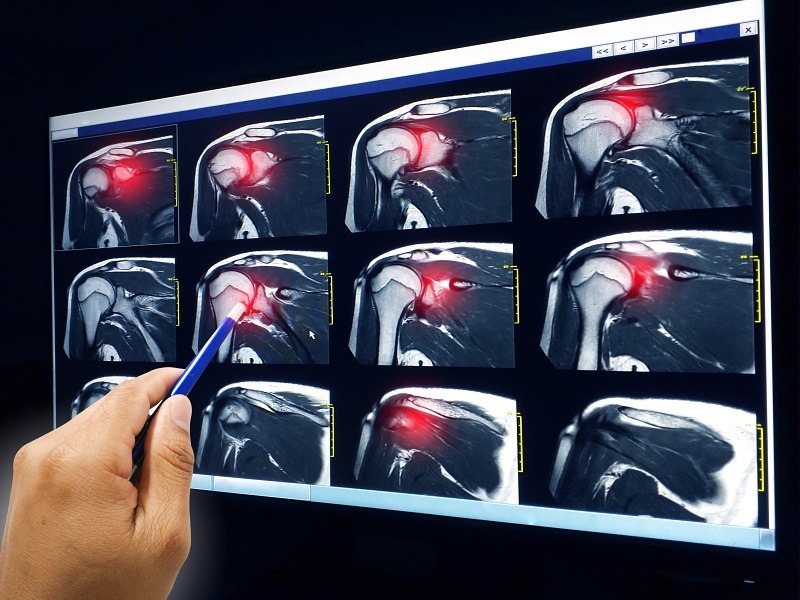
Imaging studies like X-rays, ultrasounds, or MRIs may be ordered to confirm the diagnosis and help determine treatment options.
How Are Rotator Cuff Tears Treated?
- Non-Surgical
Early or partial tears can respond well to conservative options like:
- Activity changes
- Anti-inflammatory medication
- Physical Therapy
- Corticosteroid injections
This approach aims to reduce pain, improve function, and prevent further injury.
- Surgical
Surgery may be recommended for those who have:
- Full and advanced tears
- Severe weakness and loss of function
- Symptoms do not improve despite conservative treatment.
Jacksonville Orthopaedic Institute
If you experience any of the early rotator cuff tear symptoms, do not ignore them; early medical intervention will increase your chances of a positive, successful outcome.
JOI Physicians continue to offer online new patient appointments. Our team of experienced orthopedic shoulder specialists will work with you to develop a customized treatment plan tailored to your specific needs and goals. Follow the link to select your JOI MD and schedule online.