
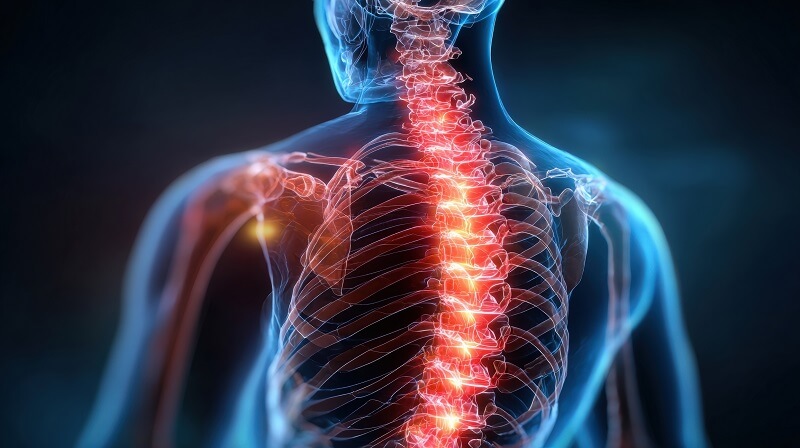
The spine is our central support structure of our body, and when injured or recovering from surgery, the recovery process can be both physically and emotionally challenging. Spine rehabilitation is a crucial component in regaining mobility, limiting pain, and improving quality of life, no matter what you are healing from.
Understanding Spine Rehabilitation
Spine rehabilitation is a therapeutic approach designed to help patients recover from spinal surgeries, injuries, or chronic conditions. The goal of rehabilitation is to:
- Reduce pain.
- Restore mobility.
- Rebuild strength and stability.
- Improve posture.
- Prevent further injury.
This process typically includes a combination of occupational therapy, physical therapy, and pain management. The program will be dependent on the patient and their condition and severity.
Why Is Spine Rehabilitation Important?
While surgical intervention can correct structural issues or relieve nerve pressure, it is not the only solution to back problems. Spine rehabilitation ensures long-term success and can help with the recovery process of surgery or even postpone surgical intervention.
Without proper therapy:
- The muscles around the spine may weaken.
- Scar tissue can restrict mobility.
- Improper movement habits may develop and lead to injury.
- Chronic pain may continue.
Going through with rehabilitation will help retrain your body to move efficiently and safely.
The Phases of Spine Rehabilitation
Spinal rehabilitation can be divided into three different phases: acute, recovery, and maintenance. Each stage will focus on different goals and require collaboration between healthcare professionals.
- Acute Phase
This phase is the first few weeks post-injury or surgery. The focus is on:
- Managing pain and inflammation.
- Protecting the surgical site or injured area.
- Beginning gentle movements.
Depending on the patient, you may begin physical therapy with light exercises, or bracing may be used to stabilize the spine.
- Recovery Phase
As the pain subsides and the healing progresses, the next steps include
- Improving range of motion.
- Strengthen spine and core muscles.
- Learn about proper posture and body mechanics.
This phase is critical for building the foundation of movement that will protect the spine. Some exercises you may be introduced to during this phase include stretching routines, low-impact activities, and core stabilization exercises.
- Maintenance and Prevention Phase
Once your mobility and strength have returned, the focus will now be on:
- Maintaining flexibility and strength.
- Preventing Injuries.
- Adapting exercises for long-term fitness.
Patients are often encouraged to pursue exercises like yoga, swimming, or pilates after completing spine rehabilitation. Regular movement and correct posture are essential for spinal health.
Key Components of a Spine Rehabilitation Program
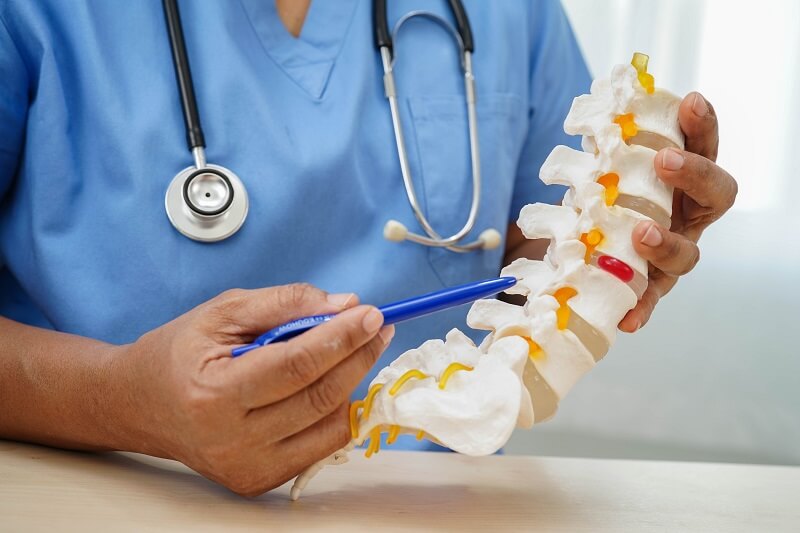
- Physical Therapy
Physical therapy includes hands-on techniques and guided exercises to promote function restoration and relieve pain. Therapists will assess the patient’s range of motion, flexibility, posture, and strength to create a program tailored to their specific needs.
- Pain Management
Managing pain is crucial throughout the rehabilitation process. Non-opioid pain medications, heat/cold therapy, and massage therapy are the most commonly used. In some cases, patients may seek out more advanced pain management, such as the most common type of spinal injections.
- Occupational Therapy
Occupational therapists work to help patients adapt to daily activities. This can be teaching proper lifting techniques, ergonomic assessments, or recommending assistive tools if needed.
- Psychological Support
Chronic pain and limited mobility can take a toll on your mental health. This is why psychological counseling or support groups may be recommended to help patients cope with the emotional aspects of recovery.
- Education and Lifestyle Changes
Understanding spinal anatomy, proper posture, and safe body mechanics will help patients understand the importance of continuing to use the adaptations spine rehabilitation has taught them. Lifestyle changes like quitting smoking, improving diet, and exercising are also emphasized.
Common Conditions Needing Spine Rehabilitation
Spine rehabilitation is beneficial for several injuries and surgeries. Each condition will require a tailored rehabilitation program, typically guided by orthopedic specialists or neurosurgeons.
- Herniated discs.
- Degenerative disc disease.
- Spinal stenosis.
- Scoliosis.
- Spinal fractures.
- Spinal fusion recovery.
- Discectomy or laminectomy recovery.
- Traumatic injuries.
Tips for Success
While coming to the therapy session is essential, spine rehabilitation does not stop when you get home. Here are a few tips to help maximize recovery.
- Stick to the Plan
Consistency is key. Be sure to complete all assignments and exercises prescribed by your physical therapist. This will help with regaining function in a timely manner.
- Use Proper Body Mechanics
Learning proper body mechanics and implementing them in your daily life is essential. Avoid bending or twisting at the waist; instead, bend from the knees and use your legs for lifting. Be mindful of posture when you’re standing, sitting, or even sleeping.
- Prioritize Health
Prioritizing sleep and a diet rich in anti-inflammatory foods will promote body repair and healing.
- Stay Active
Unless advised otherwise, try to move as often as you can, even if it’s just a short walk around the house. Avoid excessive bed rest, as this can lead to muscle atrophy and stiffness, prolonging recovery.
- Listen to Your Body!
Our body signals us when something is wrong. If you are experiencing sharp, increasing pain, you should contact your health provider immediately. While discomfort is expected, increasing pain isn’t and should be addressed.
- Communicate
Communication between you and your healthcare professionals is one of the most important parts of rehab. If you haven’t followed the plan at home, be sure to tell them so they can make changes as needed. If you find yourself struggling with some of the exercises, communicate that with the physical therapist. These professionals are here in your best interest, and communication will allow them to help you in the best way they can.
Technology in Spine Rehabilitation
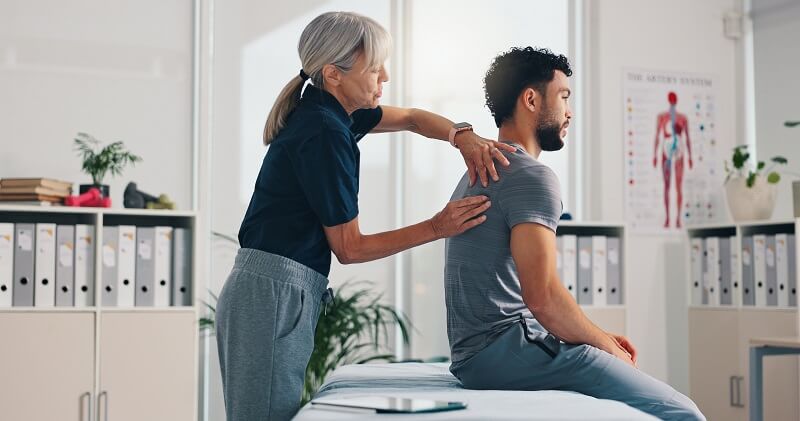
Advancements in technology have modernized spine rehabilitation. Here are some of the tools being utilized today:
- Tele-rehabilitation: Virtual therapy sessions are now available for remote access.
- Wearable devices: Posture monitors and activity trackers provide data for healthcare professionals.
- Robotic-assisted therapy: Machines may assist with guided movement for patients with limited mobility.
These advancements in technology not only aid in the rehabilitation process but also facilitate patient engagement, track progress, and ensure safer recovery.
Visit Jacksonville Orthopaedic Institute for Spine Rehabilitation!
Spine rehabilitation is not just a follow-up; it’s the foundation of recovery. Whether you’re healing from surgery or managing a spinal condition, a consistent rehab program will help you regain strength, reduce pain, and protect your spine long-term.
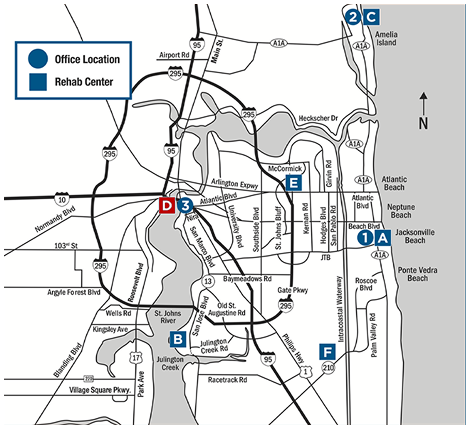
JOI Physicians continue to offer online new patient appointments. This option makes it more convenient to schedule new patient appointments with shorter phone hold times. For expert spine rehabilitation, follow the link to schedule an appointment today! Or, you can call 904-JOI-2000 for your appointment needs.
Frequently Asked Questions about Spine Rehabilitation
Q: How long does spine rehabilitation take after surgery or injury?
A: The duration varies depending on the type of surgery or injury, your overall health, and how consistently you follow the rehab plan. Most patients see significant improvement within 6 to 12 weeks, but full recovery can take several months for more complex cases.
Q: Can I do spine rehabilitation exercises at home?
A: Yes. Many spine rehab programs include at-home exercises to support in-clinic therapy. Your physical therapist will guide you through safe movements tailored to your condition. However, proper form and consistency are key, so supervision is crucial in the early stages.
Q: What type of exercises are included in a spine rehab program?
A: Typically, exercises include core stabilization, stretching, posture training, and low-impact aerobic movements like walking or swimming. As recovery progresses, strength training and flexibility exercises are added to prevent future injury.
Q: When can I return to work or physical activity after a spine injury?
A: This depends on the nature of your job and the type of surgery. Some patients return to desk work within a few weeks, while others in physically demanding roles may need 8 to 12 weeks or more. Always consult your healthcare provider for clearance.
Q: What’s the difference between physical therapy and occupational therapy in spine rehab?
A: Physical therapy focuses on restoring movement, flexibility, and strength in the spine and surrounding muscles. Occupational therapy helps you safely return to daily activities like lifting, driving, or even sitting at a desk, often through adaptive techniques or tools.