
What is Tendonitis?
The quick answer is Tendonitis is diagnosed when a tendon, which connects muscle to bone, becomes inflamed or irritated. Tendonitis can develop at any age. However, as we age, tendons become less elastic and tolerate less stress.
What are the Causes of Tendonitis?
Tendonitis can develop in any area of the body where muscles attach to bones. Repetitive activities usually cause them. These activities can be related to a sport, a hobby, or even work. The most common places where this condition occurs are the base of the thumb, knee, shoulder, hip, elbow, and Achilles’ tendon. Often, it starts as a small pain that begins to worsen over time. It can also start suddenly with severe pain in the area affected. If left untreated, tendonitis can lead to adhesive capsulitis or “frozen shoulder.” To learn more about shoulder tendonitis, please go to Shoulder or the neck at Neck Tendonitis.
 Rest and apply ice to the injured area immediately
What is Tendonitis of the Foot?
The quick answer is that tendonitis of the foot can be inflammation of any tendon that runs through the foot. Some of the most common tendons to have inflammation or injuries in the foot are:
- Posterior Tibial Tendon
- Achilles Tendon
- Peroneal Tendons
 Tendonitis of the Foot
What is the Most Common Area for Tendonitis?
The most common body part or area of the body is the elbow. The elbow is prone to two very popular tendons which are often over used in work or sports. On the inside of the elbow is Medial Epicondylitis or Golfer’s Elbow and on the outside is Lateral Epicondylitis or Tennis Elbow. The elbow can also have another condition related to baseball which is Little Leaguer’s Elbow. JOI and JOI Rehab can help you with all of these conditions and also help to prevent them.
Tendonitis Treatment
Initially, you can treat tendonitis at home by avoiding activities that aggravate the problem. Rest and apply ice to the injured area immediately and each day after. Taking over-the-counter anti-inflammatory medications will help as well. In physical therapy, ultrasound, laser therapy, electrical stimulation, The Graston Technique can assist in the healing process. In some cases, physical therapy is prescribed to address weaknesses or inflexibility in the surrounding muscles, both of which can predispose the tendons to become inflamed.
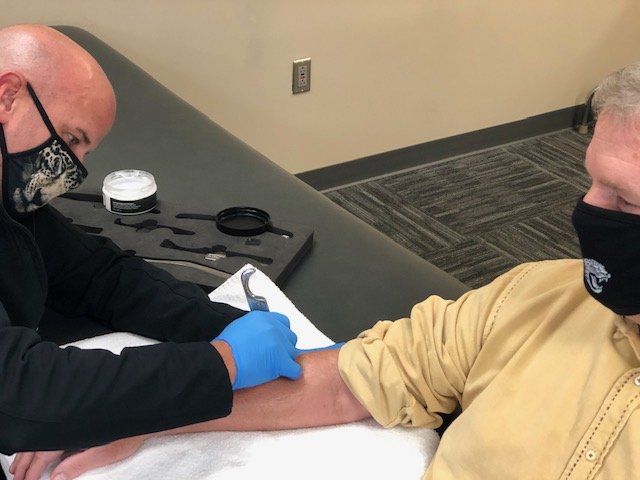 The Graston Technique for the elbow
Treatment from your physician may include corticosteroid injections at the injured site to treat the source’s inflammation and alleviate the pain. Some physicians may also use PRP injections to help the damaged area heal. Dr. Carlos Tandron, Orthopaedic Surgeon, states that PRP can be a possible solution to assist in the healing process of tendonitis if used appropriately. PRP is not usually covered by insurance and is a self-pay service.
Most tendonitis injuries respond quickly to the treatments described above. Rest and decreasing the repetitive activity, modalities/medications for the inflammation, and develop a program to increase flexibility and strengthen weak muscles. It is important to take care of these injuries as soon as they occur. If you think you have some of these signs and symptoms, The Jacksonville Orthopaedic Institute can help.
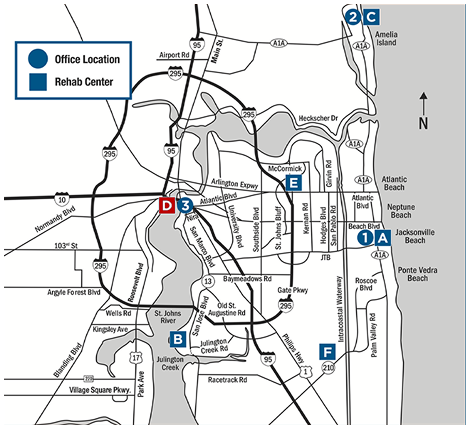
To schedule an appointment for physical therapy at one of the 13 JOI Rehab Centers, please call 904-858-7045.
Related Content
6 ways to treat elbow tendonitis.
To schedule an appointment with a JOI Othopaedic Specialist, please call 904-JOI-2000, schedule online, or click below.
To learn more about online scheduling, please go to JOI ONLINE.